

Industry hot search
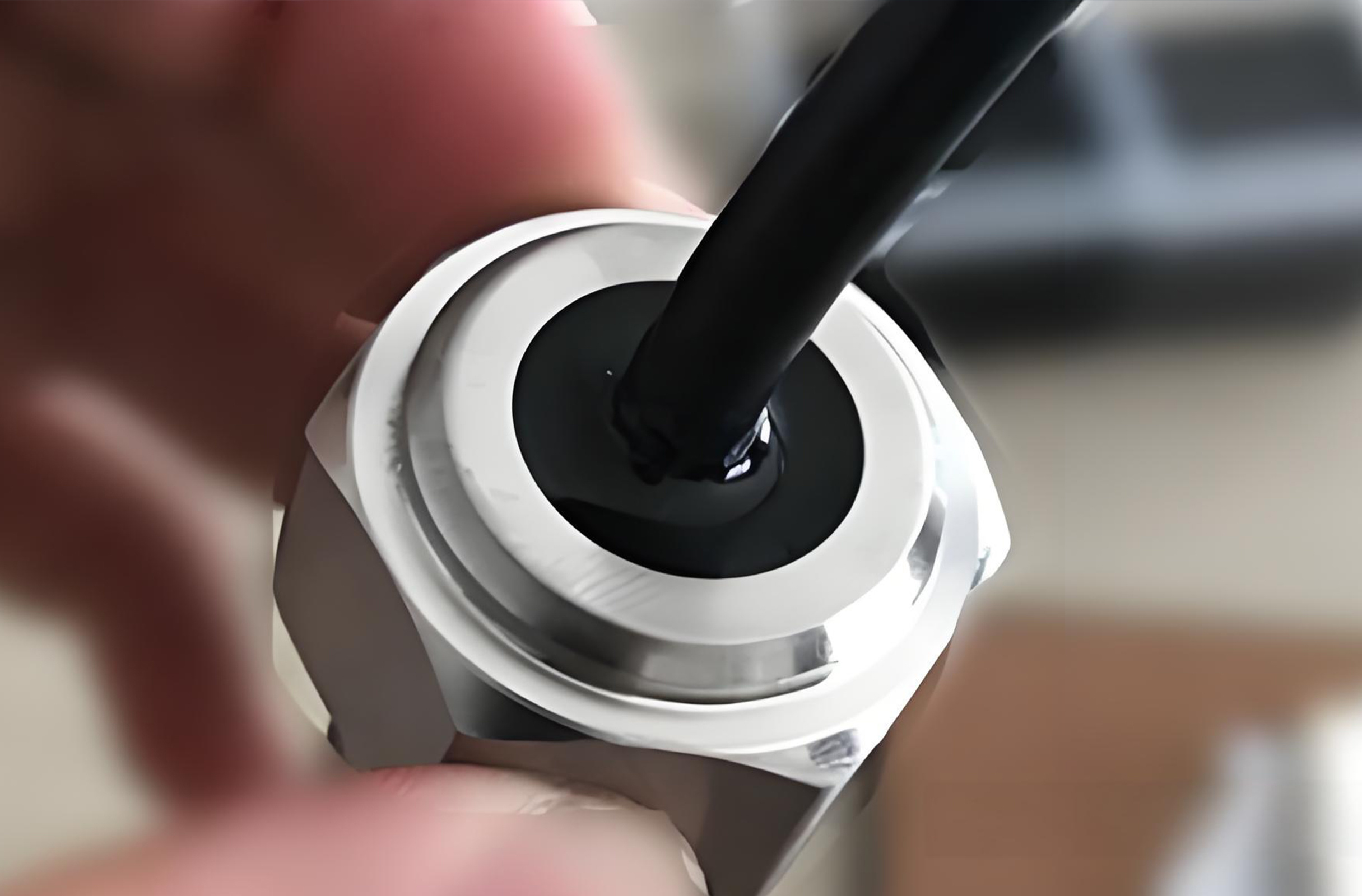
In which industries is polyurethane potting compound widely used?
With the continuous advancement and innovation in materials science, polyurethane potting compounds have found widespread application across numerous industries thanks to their outstanding performance. Next, let’s explore the fields that are reaping the benefits of polyurethane potting compounds’ unique properties.
2026-07-20
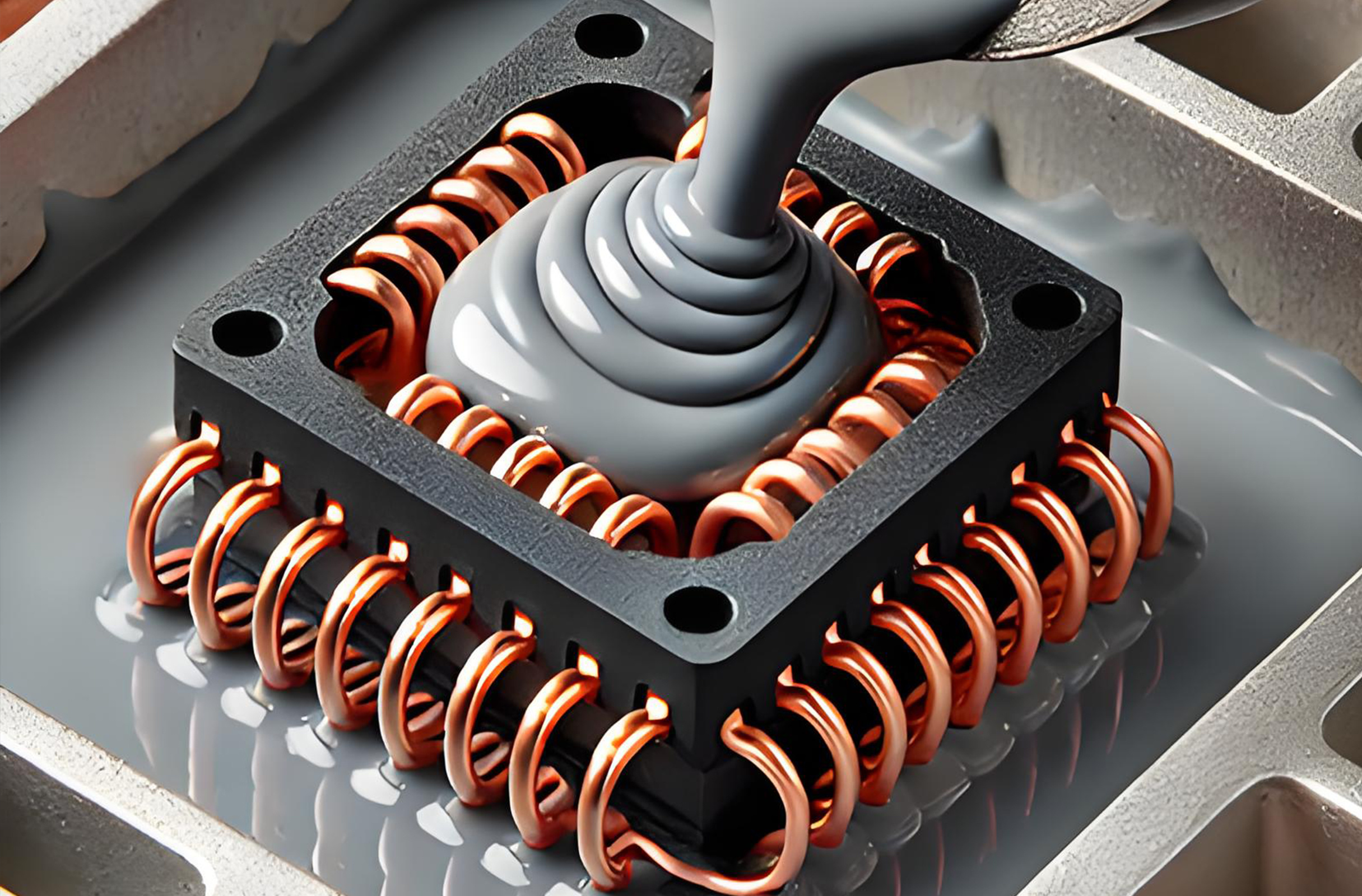
Organosilicon potting compounds enable encapsulation and protection of reactors.
In the field of power electronics, the stable operation of reactors is of paramount importance. To enhance their operational efficiency and safety, silicone potting compounds have become an indispensable key material. Next, we will delve into how silicone potting compounds contribute to the encapsulation and protection of reactors.
2026-07-20
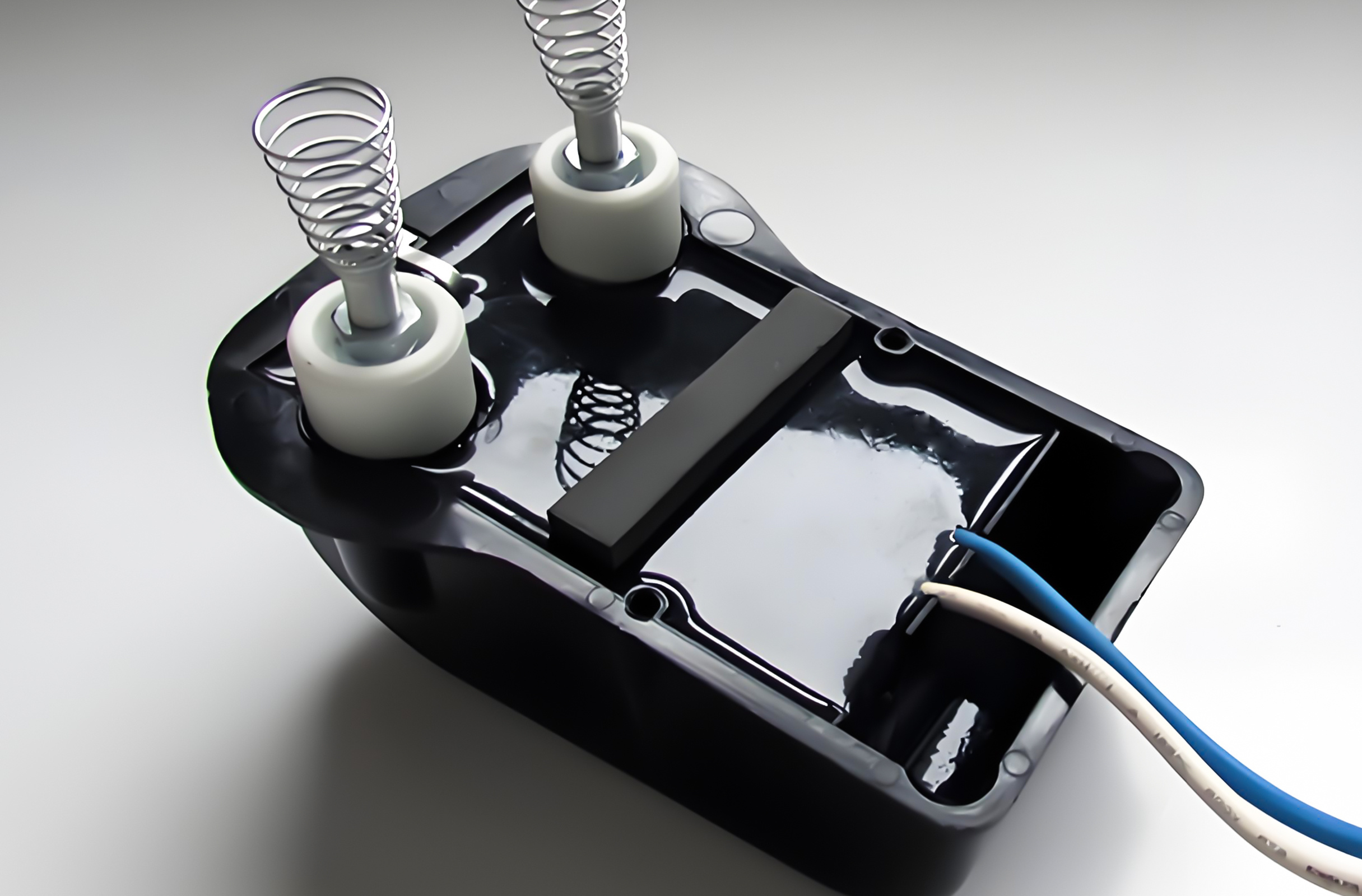
Causes of Bubble Formation in Epoxy Potting Compounds and Corresponding Solutions
Epoxy potting compounds, as an important sealing material, are widely used in electronics, electrical appliances, automotive applications, and other fields. During the curing process, the formation of bubbles not only compromises the product’s appearance but may also adversely affect its performance and service life. So, what causes these bubbles, and how can they be addressed?
2026-07-20
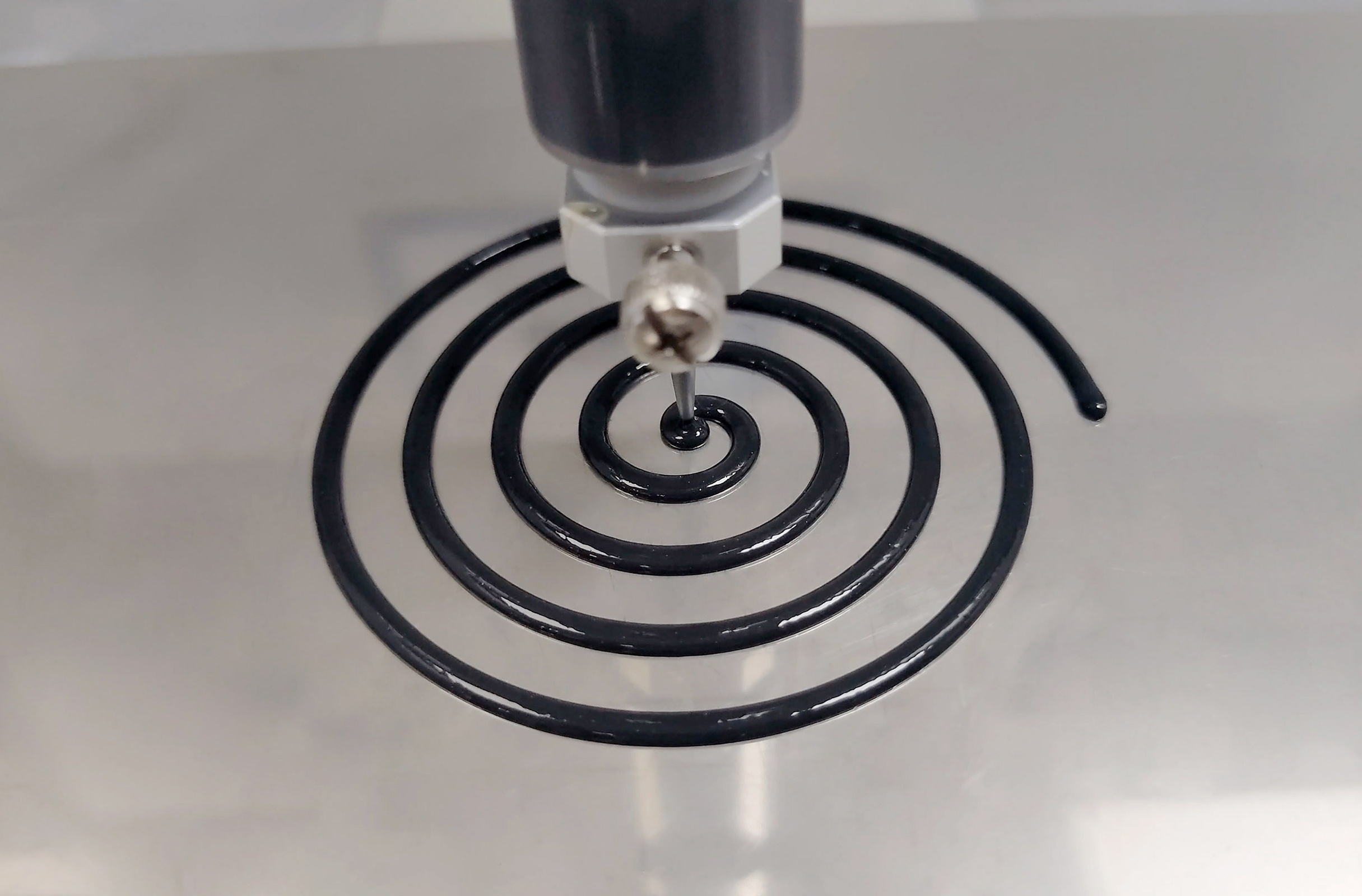
Applications and Common Issues of Silicone Sealant
With the continuous advancement of technology and the growing awareness of environmental protection, silicone sealants will find applications in an increasing number of fields. In particular, in areas such as new energy and environmentally friendly materials, the outstanding performance of silicone sealants will be further leveraged. Shanghai Hinnel New Materials Technology Co., Ltd. introduces the applications and common issues associated with silicone sealants.
2026-07-20
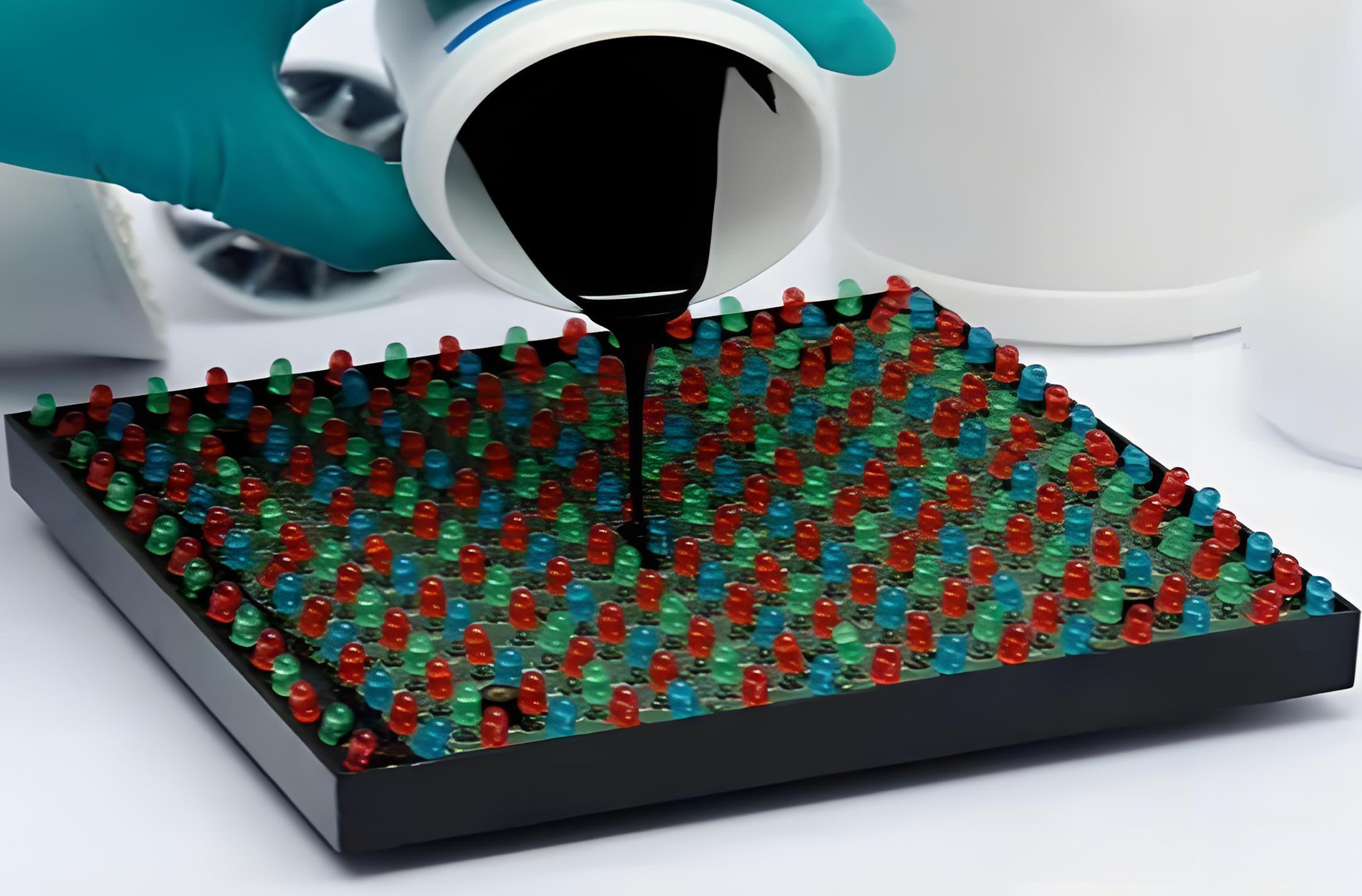
Application Methods for Addition-Cure and Condensation-Cure Potting Compounds
The main components of silicone potting compounds are silicone resin, adhesives, catalysts, and thermally conductive materials. Silicone potting compounds can also be formulated with functional fillers to impart properties such as electrical conductivity, thermal conductivity, and magnetic permeability. Shanghai Hinnel New Materials Technology Co., Ltd. introduces the application methods for addition-cure and condensation-cure potting compounds.
2026-07-20
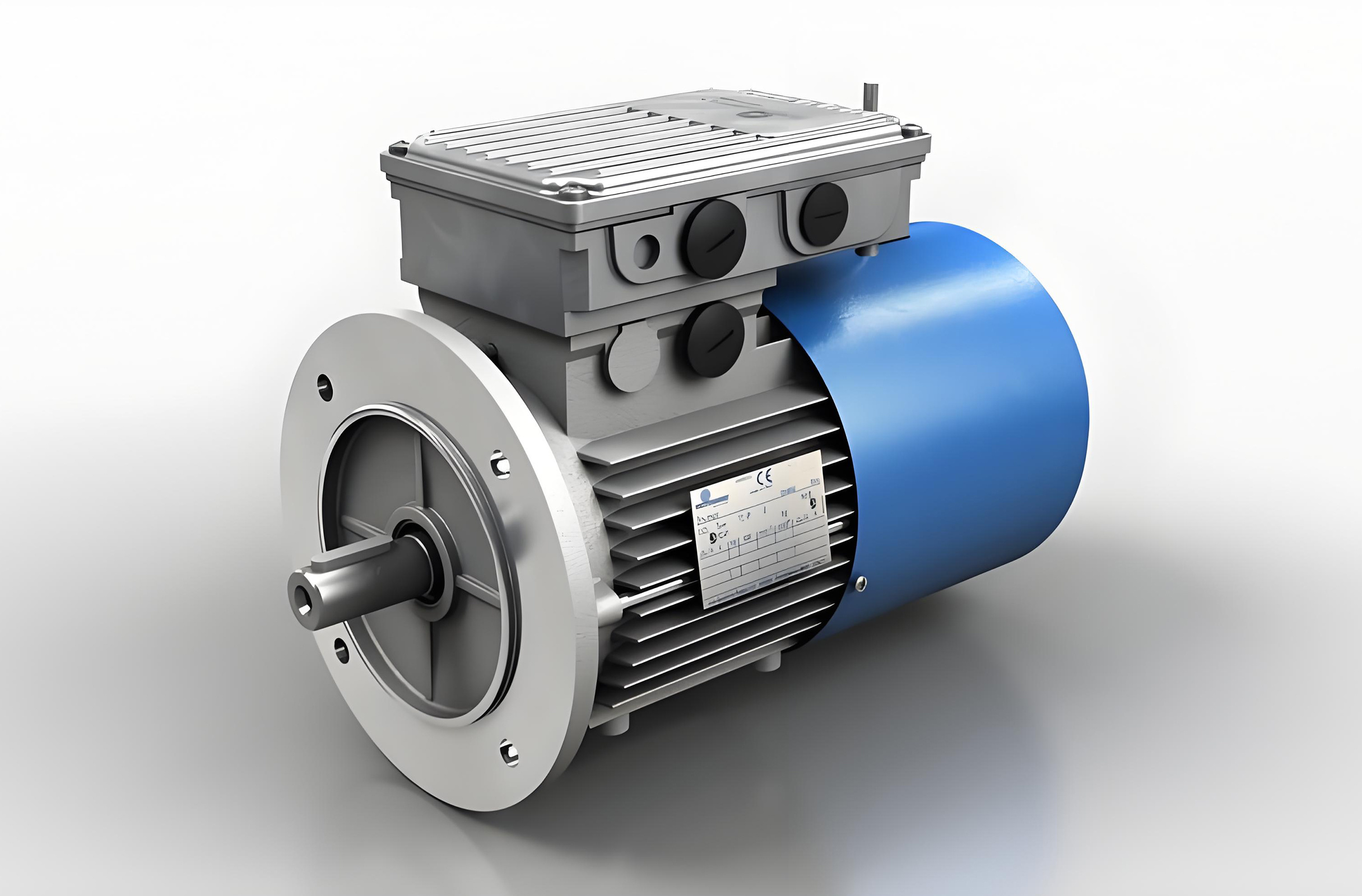
What are the advantages of epoxy potting compounds in motor applications?
In the manufacturing and maintenance of electric motors, potting compounds, as an important auxiliary material, play a crucial role in protecting the motor’s internal structure, enhancing insulation performance, and improving heat dissipation. So, what kind of adhesive is typically used for motor potting? Shanghai Hinnel New Materials Technology Co., Ltd. will introduce it to you.
2026-07-20
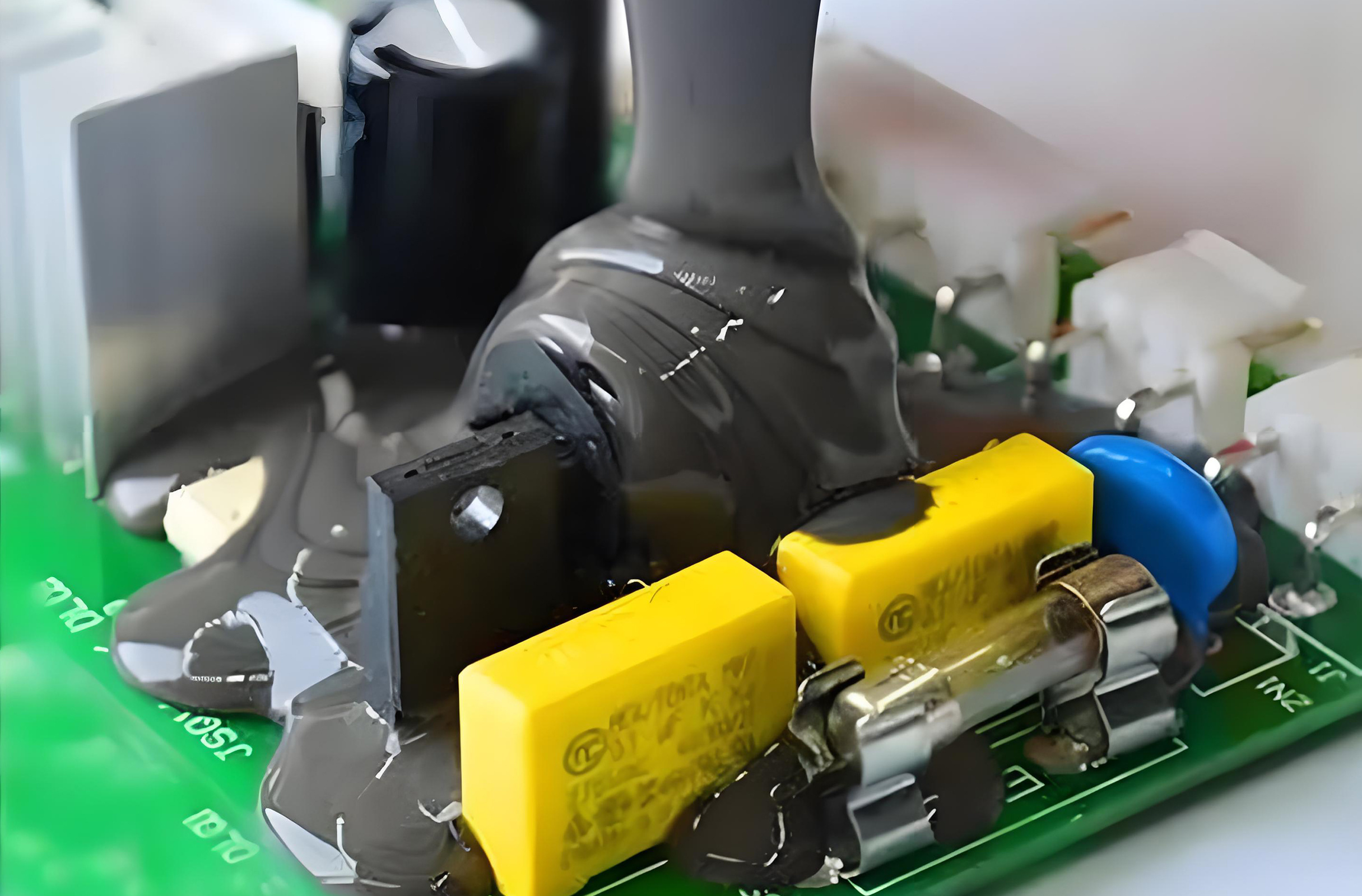
What factors influence the thermal conductivity of silicone potting compounds?
Organosilicon is a polymer material with a silicon–oxygen backbone. Owing to its outstanding resistance to high and low temperatures, electrical insulation, weathering, and chemical corrosion, as well as its excellent processability and molding characteristics, it has become an important foundational material in the electronics industry. So, what are the key factors that influence the thermal conductivity of potting compounds? Shanghai Hinnel New Materials Technology Co., Ltd. will introduce them to you.
2026-07-20
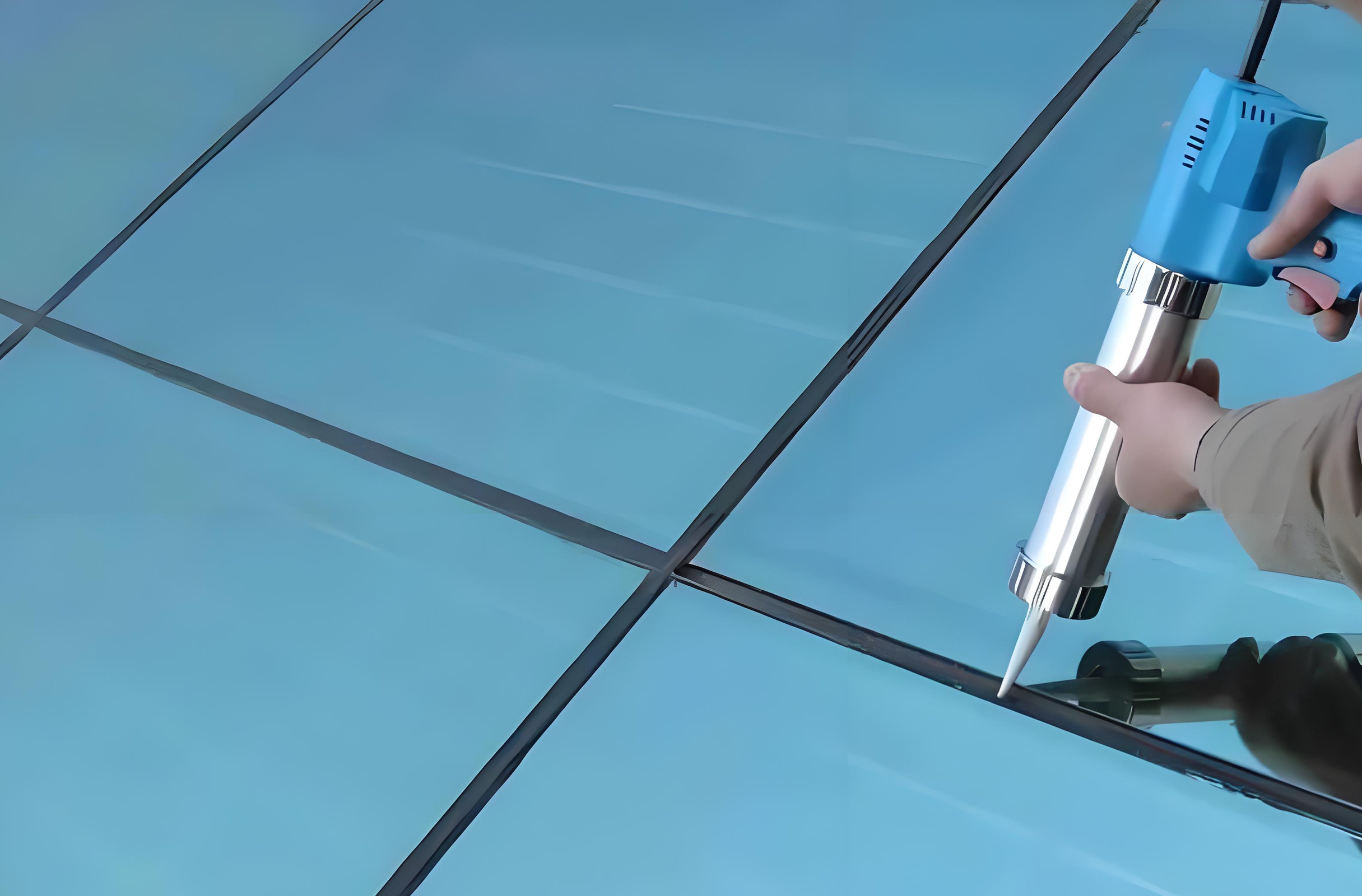
Epoxy structural adhesive: professional bonding, high performance, and wide-ranging applications.
With the continuous advancement of new materials and technologies, the performance of structural adhesives is constantly improving and innovating. In industrial production and civil engineering, epoxy structural adhesives are widely used and play an important role. So, what are the applications and properties of epoxy structural adhesives? Shanghai Hinnel New Materials Technology Co., Ltd. is here to introduce them to you.
2026-07-20

Polyurethane sealant and silicone sealant are both widely used sealing materials in fields such as construction and transportation. They have distinct characteristics and are suited to different environments, so it’s essential to thoroughly understand their properties when making a selection to meet specific needs. Shanghai Hinnel New Materials Technology Co., Ltd. introduces the differences between these two types of structural adhesives, helping you better understand and choose the material that best fits your requirements.
2026-07-20
How can we assist you?