
Epoxy structural adhesive: professional bonding, high performance, and wide-ranging applications.
With the continuous advancement of new materials and technologies, the performance of structural adhesives is constantly improving and innovating. In industrial production and civil engineering, epoxy structural adhesives are widely used and play an important role. So, what are the applications and properties of epoxy structural adhesives? Shanghai Hinnel New Materials Technology Co., Ltd. is here to introduce them to you.
Shanghai Hinnel
Jul 20,2026


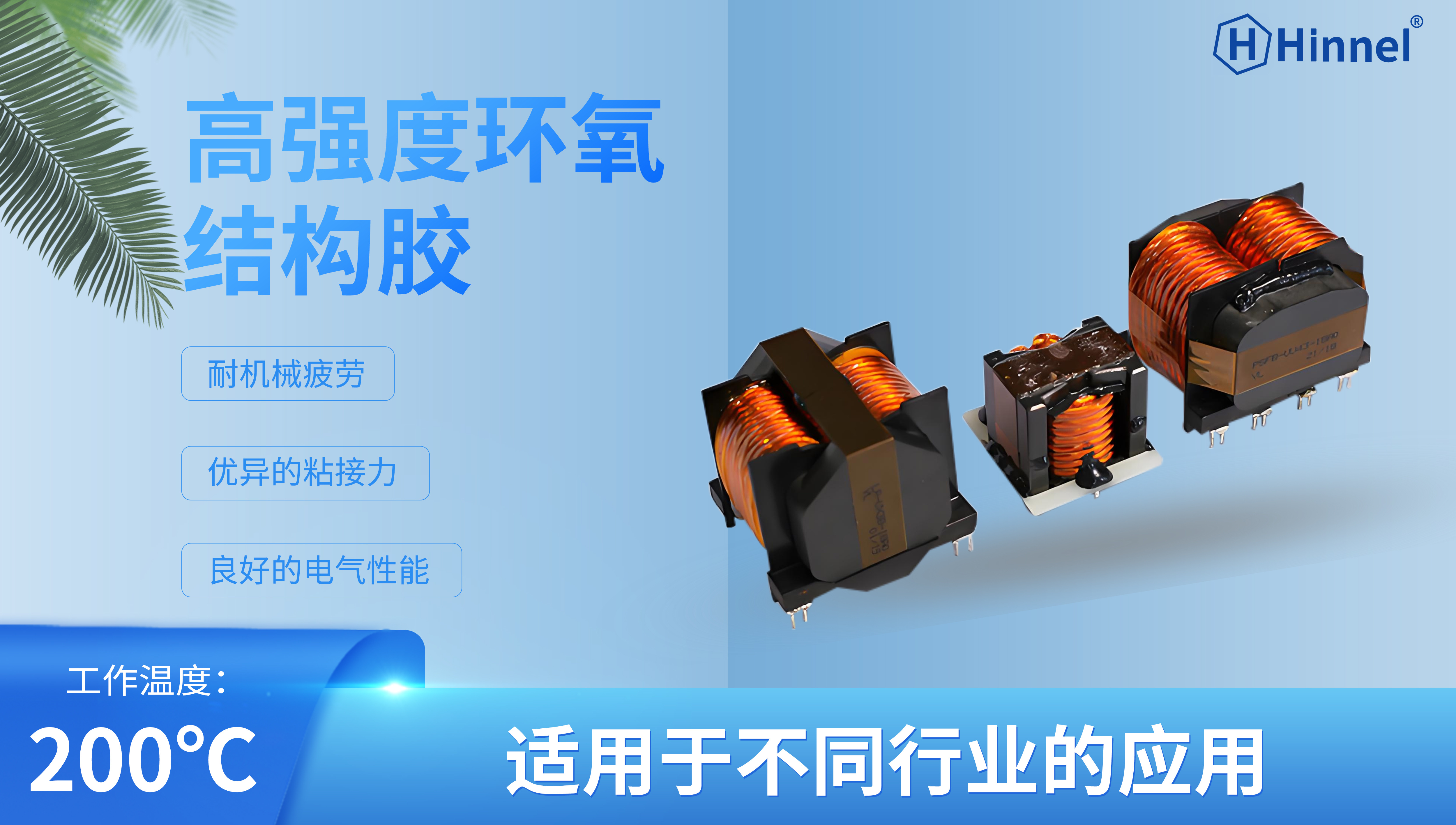
The main component of epoxy structural adhesives is epoxy resin, which can be cured at room temperature or with heat. After curing, the adhesive layer exhibits moderate hardness, withstands severe impacts and vibrations, and possesses excellent mechanical and electrical insulation properties. It also tolerates temperature fluctuations and flexural‑tensile stresses. Moreover, it is non‑corrosive and offers outstanding adhesion.
Epoxy structural adhesive What are the main features?
( 1 ) Multiple curing methods
( 2 ) Excellent chemical resistance
( 3 ) Excellent resistance to mechanical fatigue and superior adhesive strength
( 4 ) The temperature resistance range covers -40~200℃
( 5 ) High temperature resistance, high toughness, high strength, and excellent electrical properties
( 6 ) Hinnel features both two-component and single-component epoxy structural adhesives.
Application areas of epoxy structural adhesives
1. Automotive manufacturing: Epoxy structural adhesives are used to bond automotive body panels and frames, enhancing vehicle body strength while also reducing production time.
2. Architectural Finishing: Epoxy structural adhesive can be used as a bonding agent for finishing materials, such as adhering stone and wood flooring, ensuring that renovations and interior designs are both more durable and aesthetically pleasing.
3. Electronics and electrical manufacturing: Epoxy structural adhesives can bond a wide range of components in electronics and electrical applications, such as semiconductors, display panels, and batteries, thereby enhancing the quality and reliability of electronic and electrical products.
4. Machining: Epoxy structural adhesives can be used for bonding and repairing mechanical components, such as repairing mechanical seals, cylinder blocks, gears, and more.
5. Aerospace: Epoxy structural adhesives are also used in the aerospace industry, for example, to bond metallic aircraft fuselages and to fabricate solar sails.
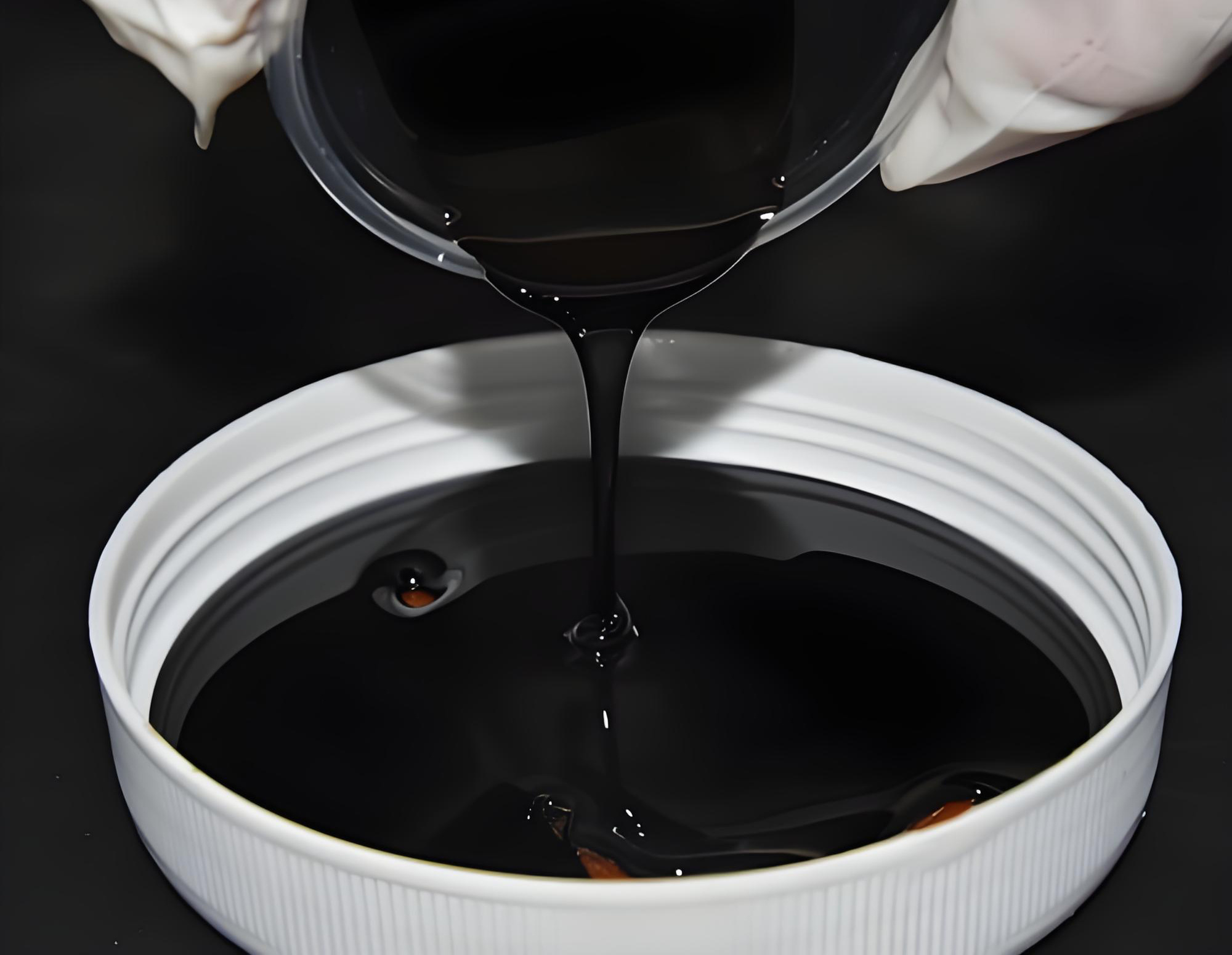
Precautions for Use
1. Single-component epoxy adhesives are highly sensitive to temperature during curing. The curing times specified above refer to the duration maintained once the adhesive has reached the designated temperature; if the adhesive temperature fails to reach the required level, the curing time may be significantly prolonged or the adhesive may not cure at all. For components with large volumes or deep cavities—where heat transfer is slow—it is advisable to moderately increase the curing temperature or extend the curing time to ensure complete cure. During curing, excessive adhesive application or excessively high temperatures can lead to bubble formation; in such cases, please reduce the curing temperature accordingly.
2. When using, avoid direct contact with skin as much as possible. In very rare cases, prolonged exposure to the adhesive may cause mild skin irritation, including slight itching and discomfort. We recommend wearing protective gloves during use. If the adhesive gets on your skin, wipe it off with acetone or alcohol, then wash thoroughly with a cleanser or soap.
3. Prolonged exposure to direct sunlight or ultraviolet radiation should be avoided, as it may degrade the adhesive’s quality or render it unusable due to unintended chemical reactions.
4. Do not expose to outdoor humid and hot conditions to prevent moisture ingress from causing quality issues.
In summary, epoxy structural adhesives, as high-performance adhesives, play a vital role across various industries, and different application environments impose varying requirements on adhesives. Hinnel New Materials has been dedicated to electronic adhesives for many years, offering a wealth of adhesive solutions tailored to diverse industries and swiftly addressing adhesive needs. For more information on the performance of epoxy structural adhesives and related details, please feel free to contact us for further clarification!
Related articles: Do epoxy structural adhesives differ across various application scenarios?
>Recommended Reading

From automotive to industrial manufacturing, how do you choose the right adhesive for sensors?
Shanghai Hinnel
Nov 05,2026
How to choose potting compound for photovoltaic inverters? From operating conditions to materials.
Shanghai Hinnel
Nov 03,2026
Shanghai Hinnel
Oct 27,2026
How can we assist you?
