
Silicone gel
Designed for precision components subjected to mechanical vibration and thermal cycling.
It provides excellent low-stress protection in harsh environments such as cyclic conditions.
Shanghai Hinnel silicone gel has Excellent fluidity, very good self-deaerating performance, and superior processability. It boasts a broad temperature‑resistance range, enabling long‑term use between –65°C and 200°C, with short‑term exposure up to over 250°C. Throughout its entire operating temperature range, it exhibits optimal physical properties that remain virtually unchanged. Additionally, it offers excellent electrical performance, chemical stability, and physiological inertness.
Hinnel silicone gel, once cured, can maintain permanent pressure-sensitive adhesion to most materials without the need for a primer; it also boasts excellent self-healing properties, enabling it to repair minor damage and deliver superior sealing performance.
Hinnel silicone gel has Low oil permeability, low volatility, and resistance to poisoning With these characteristics, we offer a diverse portfolio of products ranging from viscous jelly-like formulations to elastomers, suitable for applications across various industries.
Product Purpose:
Low-stress protection for precision components; Insulation protection for power devices such as IGBTs ; Waterproof sealing for instruments and meters, as well as junction boxes; waterproof sealing for automotive electronics and sensors; transparent potting for solar and photovoltaic equipment.
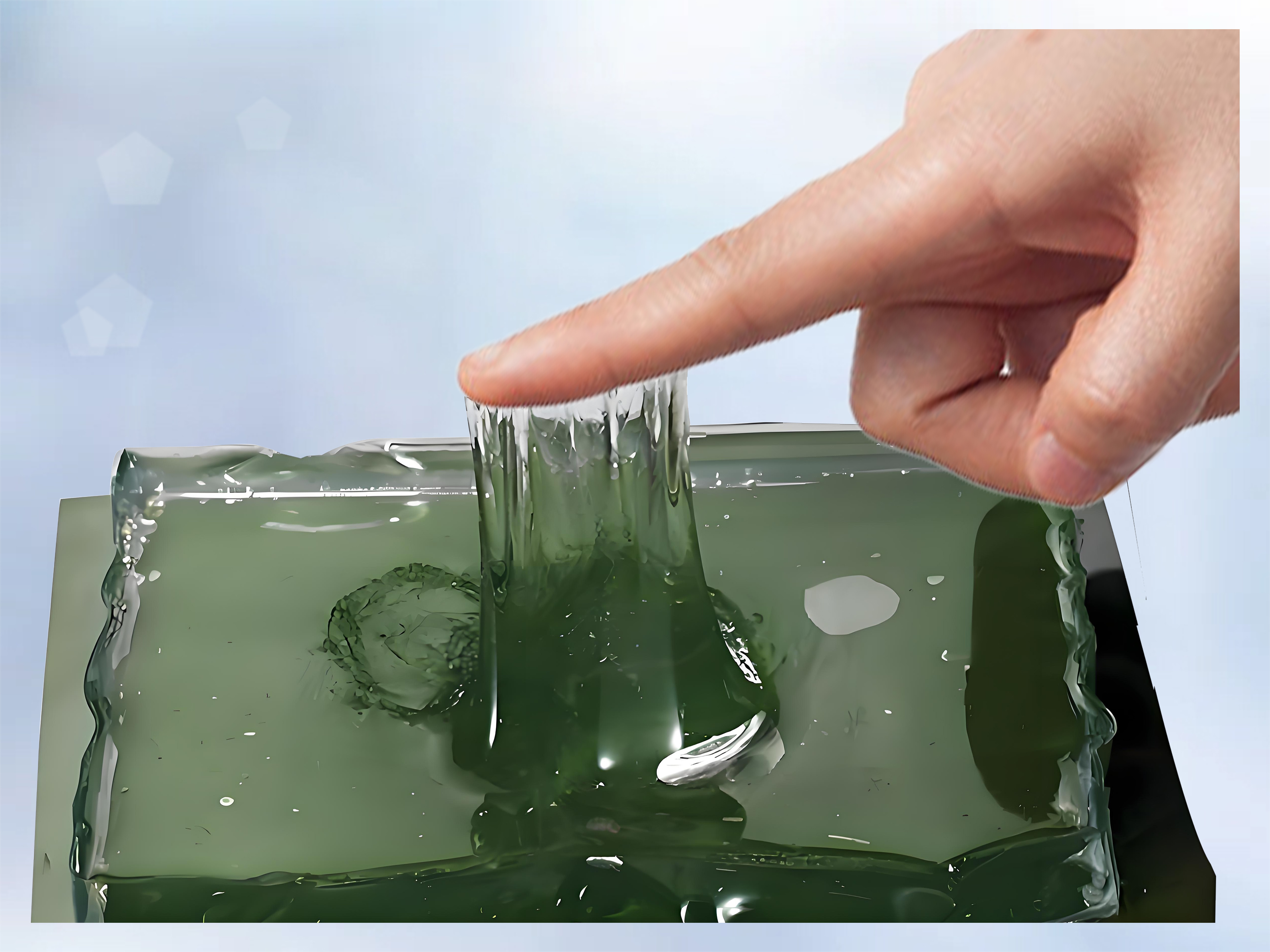
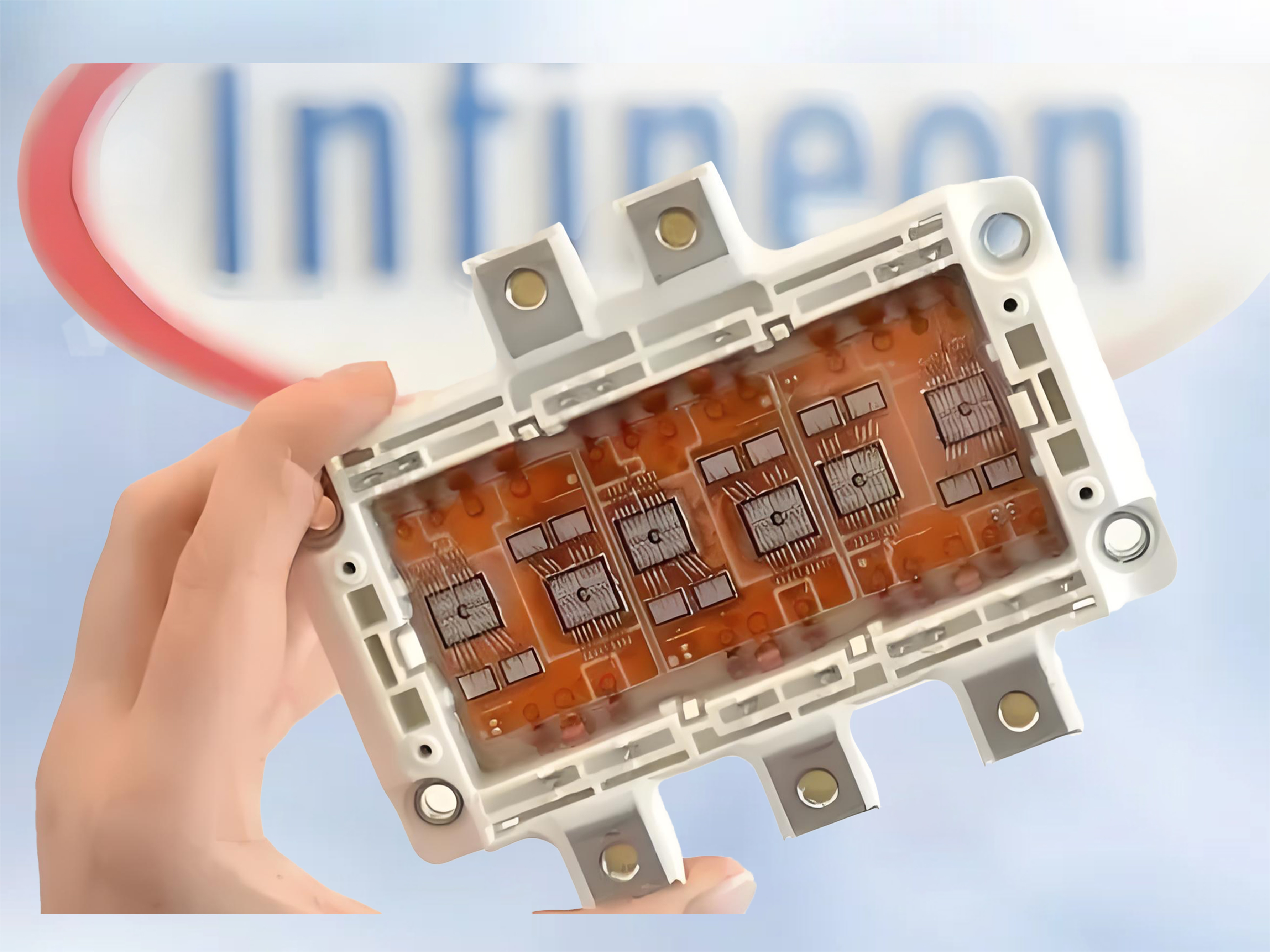
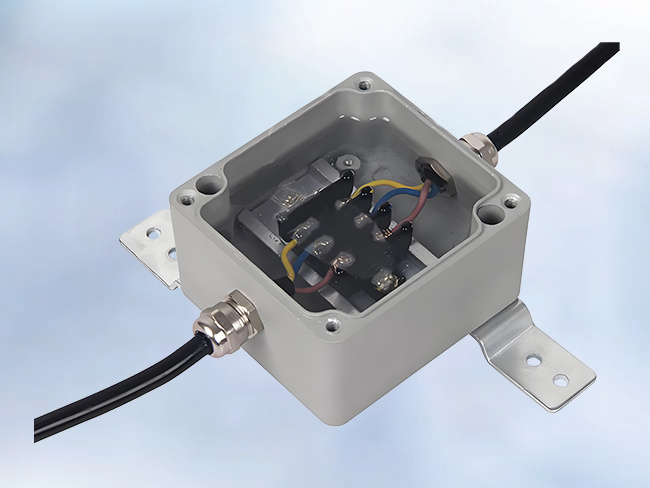
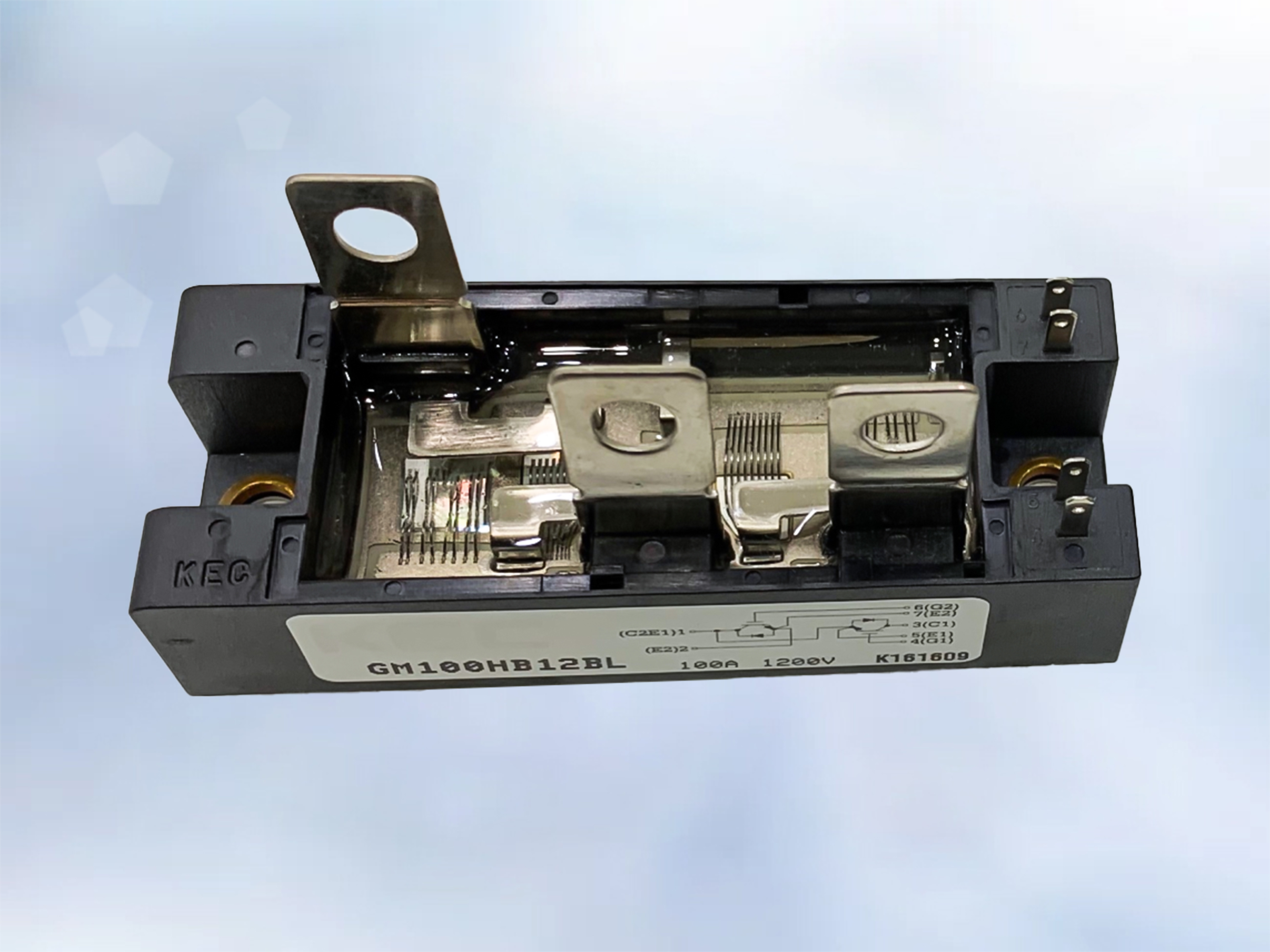
Hinnel Product Features
Excellent fluidity
Excellent self-foaming performance
Very low oil leakage rate
High transparency, yellowing resistance
It can cure at room temperature, or it can be accelerated by heating.
From gel properties to elastomers
A variety of products with different hardnesses and curing times are available.
Self-adjustable hardness
Hydrophobicity, low sensitivity to humidity
Excellent resistance to temperature fluctuations
| Product model | Quality ratio | Mixed viscosity | Operation Time | Curing time | Penetration degree | Color | Key Features |
| A: B | cps/25℃ | min/25℃ | ℃×h/min | 1/10mm | - | ||
| HNGel5270 | 1:1 | 500±100 | 20~40 | 25℃ × 2 h or 60℃ × 20 min | 300±20 | Transparent | The colloid is soft, highly transparent, and exhibits low adhesion; it also features extremely low stress and excellent insulating properties. Its double-sided adhesive can be easily peeled apart. |
| HNGel5271 | 1:1 | 400±100 | 30~50 | 25℃ × 1 h or 60℃ × 15 min | 180±20 | Transparent | Excellent adhesion, outstanding resistance to poisoning, and superior waterproofing and insulating properties. Its hardness can be adjusted by modifying the formulation, and it maintains good adhesion even at high hardness levels. |
| HNGel5272 | 1:1 | 500±100 | 60~90 | 25℃ × 4 h or 80℃ × 20 min | 300±20 | Transparent | Long pot life, exceptionally soft, excellent self‑healing properties, yellowing resistance, low stress, and low oil‑leakage rate; suitable for encapsulation of power modules such as IGBTs. |
| HNGel5275 | 1:1 | 1000±100 | 40~60 | 25℃ × 2 h or 80℃ × 20 min | 5A | Transparent | A robust gel with high colloid strength, optical transparency, UV resistance, and yellowing resistance, suitable for potting and protecting automotive electronic components. |
| HNGel5277 | 1:1 | 1000±100 | 40~60 | 25℃ × 2 h or 80℃ × 20 min | 20~30A | Transparent | It exhibits high colloidal hardness and strength, a non‑sticky surface, excellent water resistance, and high light transmittance, making it suitable for potting products that lack external encapsulation. |
Our products are more than that · · · ·
Contact us: get more product information/apply for samples now/work with you to develop solutions tailored to your requirements and processes.
Instructions for Use
Mixed – Use manual or automated equipment to mix the A and B components uniformly according to the specified weight ratio, ensuring thorough mixing. In applications sensitive to air entrainment, the mixed adhesive should be subjected to vacuum degassing at a pressure of at least –0.09 MPa for 3–5 minutes; extend the degassing time as necessary when handling larger volumes of adhesive. For large‑scale production, consider using automated metering, mixing, and dispensing equipment.
Perfusion – Manual potting may be used, or an automated potting system equipped with a vacuum‑extraction unit and a material‑tank heating system may be employed. Place the component to be potted horizontally with the opening facing upward, and within the working time, pour in the potting compound and allow it to self‑level.
Curing – Simply cure the product at the temperature specified in its technical data sheet. For addition-cure systems, the curing time is highly dependent on temperature, part dimensions, and the thermal conductivity of the material being encapsulated. In short, the higher the temperature to which the compound is heated, the faster it will cure.
Here, with respect to the relationship between curing temperature and time, “time” refers to the curing duration after the material has reached the target temperature. The oven’s own heating-up process, components with substantial thermal mass, or other factors that might delay the material’s attainment of the target temperature should all be taken into account.
Precautions
The A and B components must be weighed precisely according to the specified ratio, and after mixing, they must be thoroughly stirred to ensure uniformity and prevent any adverse effects on the curing process.
HNGel 5271 exhibits poor curing when in contact with sulfur‑containing, ammonia‑bearing, unsaturated hydrocarbon plasticizers, and organometallic compounds—particularly organotin compounds. Common substances that can cause this issue include rosin and natural rubber. If it is uncertain whether a particular material will inhibit curing, a compatibility test should be conducted first.
HNGel 5271 recommends a mixing ratio of A:B = 1:1; after curing, the gel is soft and tacky. Increasing the amount of component B will produce a harder, less tacky gel, while increasing the amount of component A will yield a softer, more adhesive gel. Due to packaging constraints, we only accept orders at an A:B ratio of 1:1. Customers may adjust the ratio as needed to achieve their desired level of hardness and adhesion.
Storage and Shelf Life
HNGel 5271, when stored in its original sealed factory packaging at a temperature between 5 and 30°C, has a shelf life of at least 12 months. The expiration date is indicated on the label of each product’s outer packaging. Products that have exceeded their expiration date may only be used after their performance has been verified to be within acceptable limits.
Warning Information
Before using this product or any Hinnel product, please refer to the Material Safety Data Sheet (MSDS) and the product label for instructions on safe use and handling. If you have any questions, please feel free to contact us.
Frequently Asked Questions:
A common issue encountered during the application of addition‑cure silicone thermally conductive potting compounds is “poisoning.” This phenomenon occurs when the silicone gel, during curing, comes into contact with compounds containing nitrogen, phosphorus, sulfur, tin, lead, mercury, arsenic, and similar elements, which inhibit the activity of the platinum catalyst and result in incomplete cure at the affected areas.
Common substances that can cause poisoning include: natural rubber, sulfur‑containing and ammonia‑based plasticizers, unsaturated hydrocarbon plasticizers, organometallic compounds (particularly organotin compounds), soldering fluxes, rosin, incompletely cured condensation‑type silicone sealants, amine‑cured epoxy resins, and lead‑containing PVC wiring, among others.
Solution:
Choosing our company’s products with excellent anti-poisoning performance can address certain poisoning-related issues.
If poisoning is caused by excessive rosin residue on the circuit board surface, the board must be cleaned with board‑cleaning solvent before potting.
If the poisoning is caused by silicone sealant or ammonia‑cured epoxy resin, please contact our company for recommendations on high‑performance alcohol‑free titanium‑cured sealants or addition‑cure epoxies that do not contain ammonia.
If poisoning is caused by PVC tubing, it can be replaced with silicone tubing; if poisoning is caused by rubber gloves, silicone rubber gloves may be used.
Shanghai Hinnel provides innovative adhesive solutions for bonding, sealing, potting, thermal management, and protection. Our team works closely with customers to help enhance the value of their products. In an ever-evolving market, we continuously innovate and respond swiftly, committed to delivering professional products and technical support to customers worldwide.
The product’s TDS, MSDS, RoHS, REACH, and other relevant documents can be obtained via the following methods:
✓ Email: sales@hinnel.com
✓ Phone: 021-57896706
✓ Our company’s official WeChat account: Shanghai Hinnel New Materials Technology Co., Ltd.
✓ Please contact our relevant sales representatives directly to obtain it.
Thank you for your support!
Contact Us
If you need to apply for samples, ask for quotations or any other questions, please feel free to contact us.
Contact Us