
Organosilicon potting compound
Organosilicon potting compound
Designed for potting and protection.
Electronic products requiring thermal conductivity and waterproofing
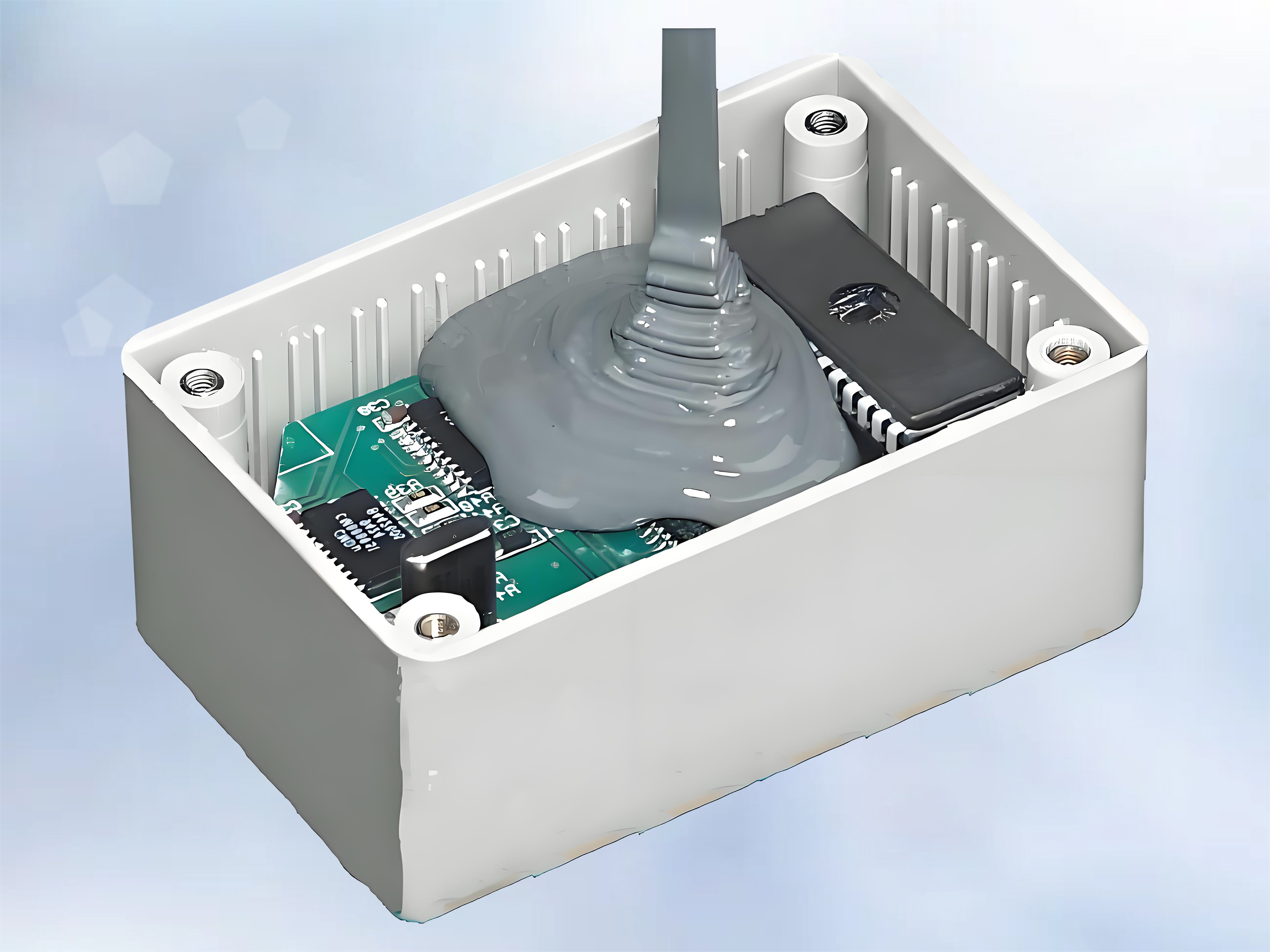
Hinnel silicone potting compound is a room-temperature or heat-cured electronic potting material. After curing, it forms an elastic cushioning material with excellent high- and low-temperature resistance and weatherability, while also exhibiting superior electrical properties and chemical stability.
This product series, with its high thermal conductivity, is an ideal choice for applications with heat dissipation requirements. Hinnel offers a variety of products with different thermal conductivities, which can effectively transfer heat away from your components to ensure low thermal stress. Even under conditions of extreme temperature fluctuations, the materials still maintain sufficient elasticity to reduce stress within the components.
Hinnel offers a variety of innovative products, including non-adhesive, self-adhesive, and adhesive types, and can tailor solutions to meet customers’ requirements for curing time, viscosity, hardness, and other specifications, striving to provide the optimal solution for their applications.
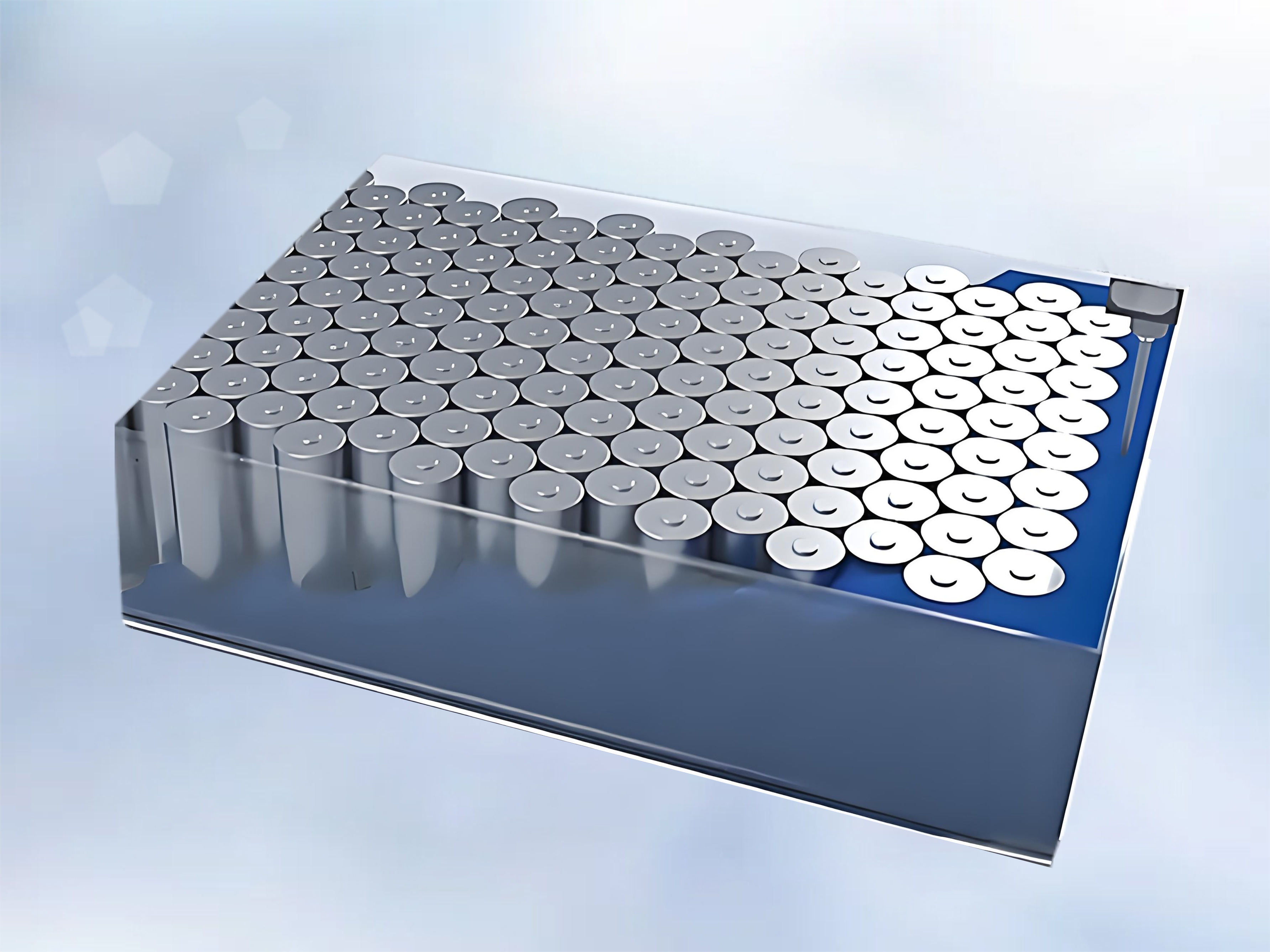
Product applications: potting, sealing, and thermal management to protect electronic components from external moisture, contaminants, and other environmental hazards; thermal‑conductive potting for power supplies, controllers, and high‑power heat‑generating devices; insulating and waterproof potting for sensors and small electrical components; sealing, thermal conduction, and noise reduction for coils; vibration‑damping protection for precision electronic parts; waterproof potting for luminaires and junction boxes; and thermal‑conductive potting for lithium‑ion battery packs and electric‑vehicle control systems.
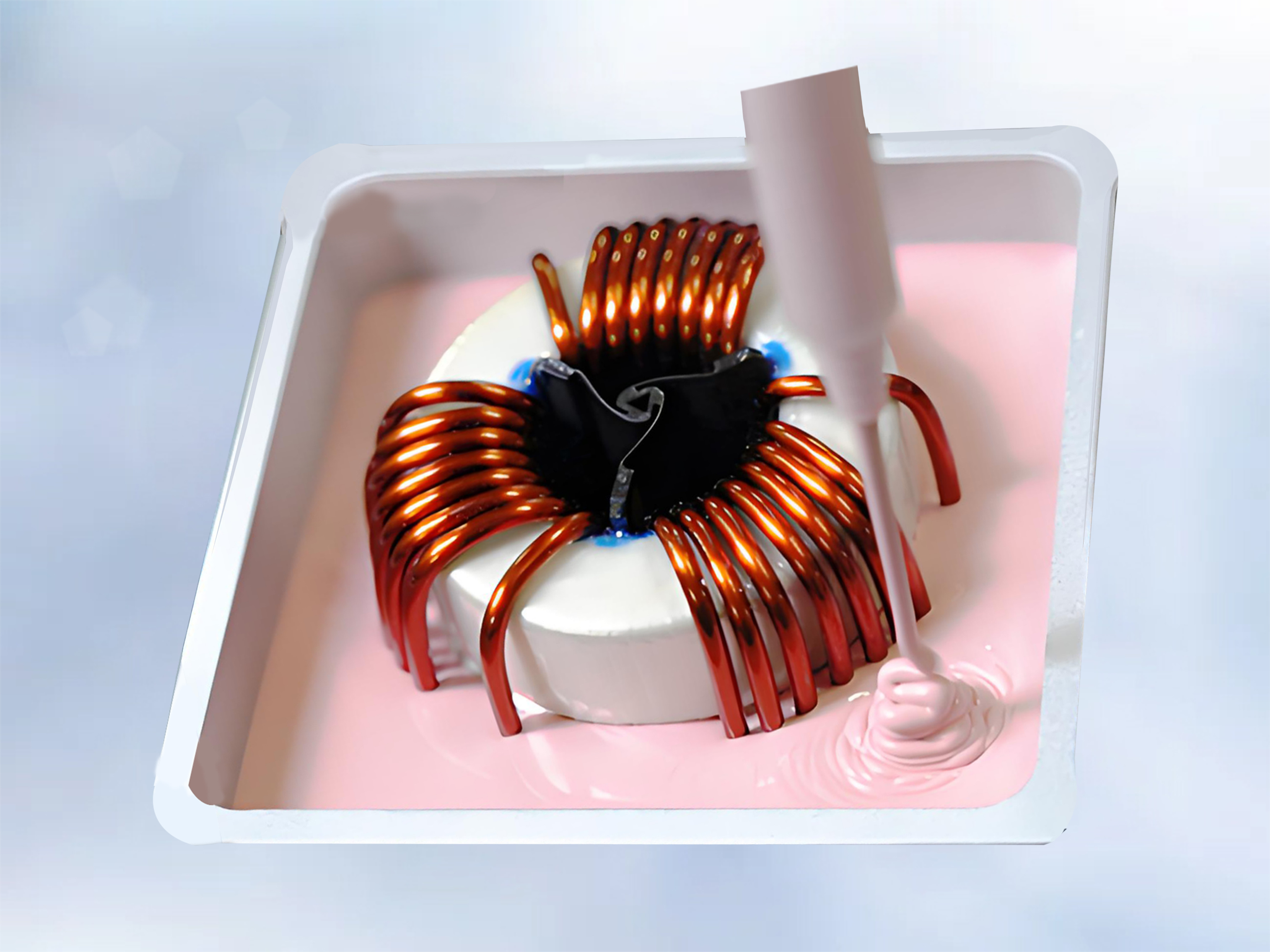
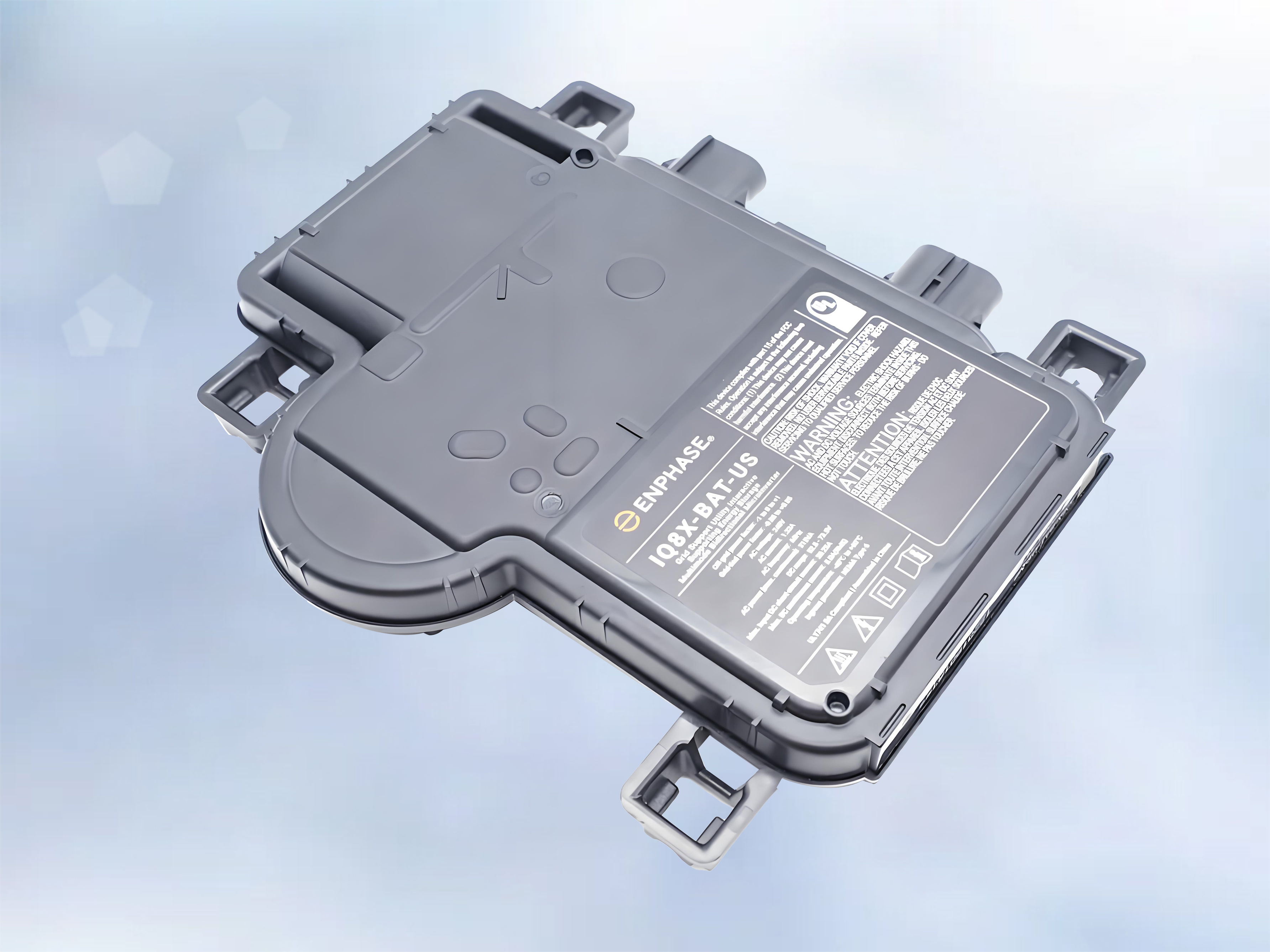
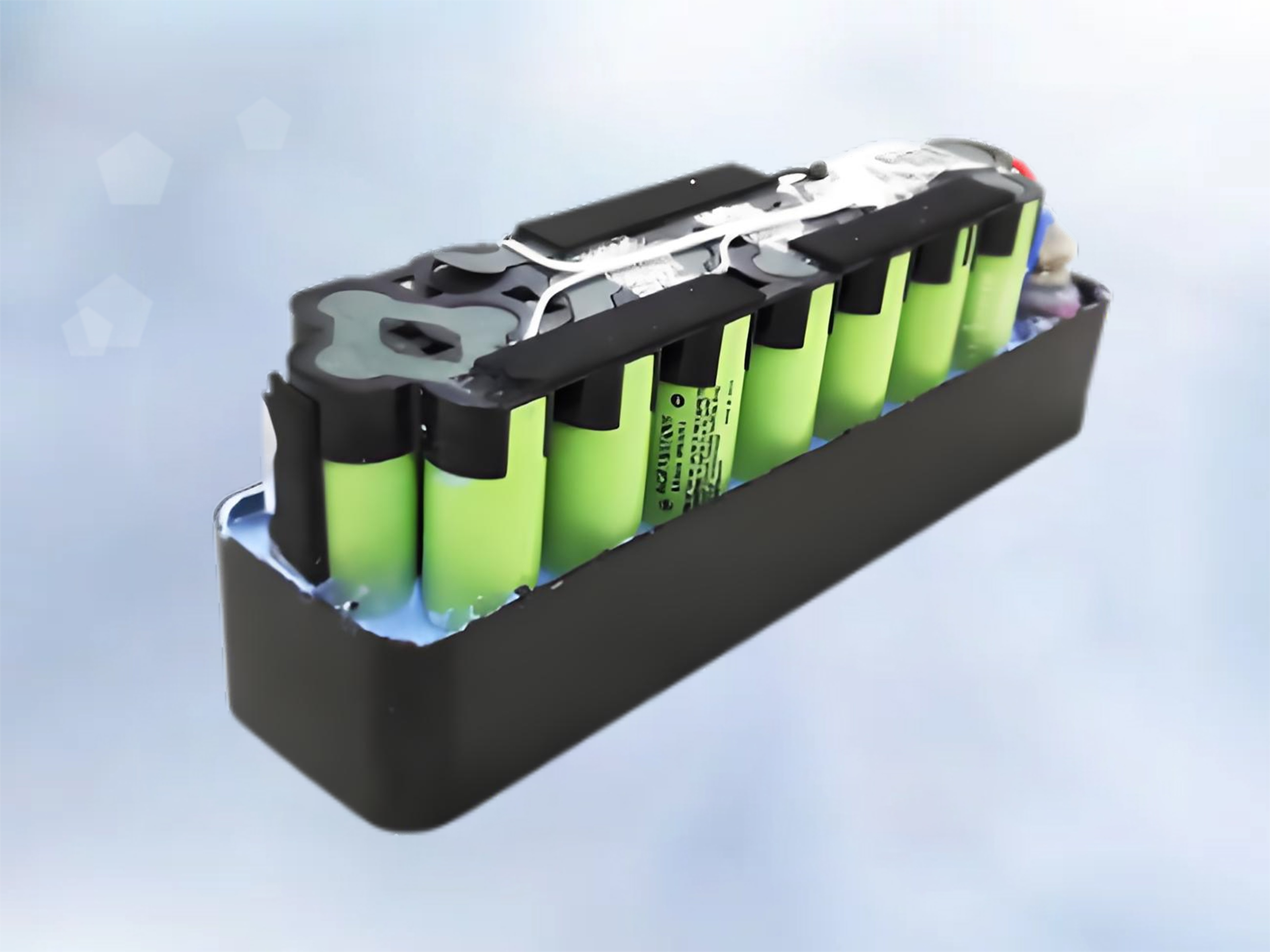
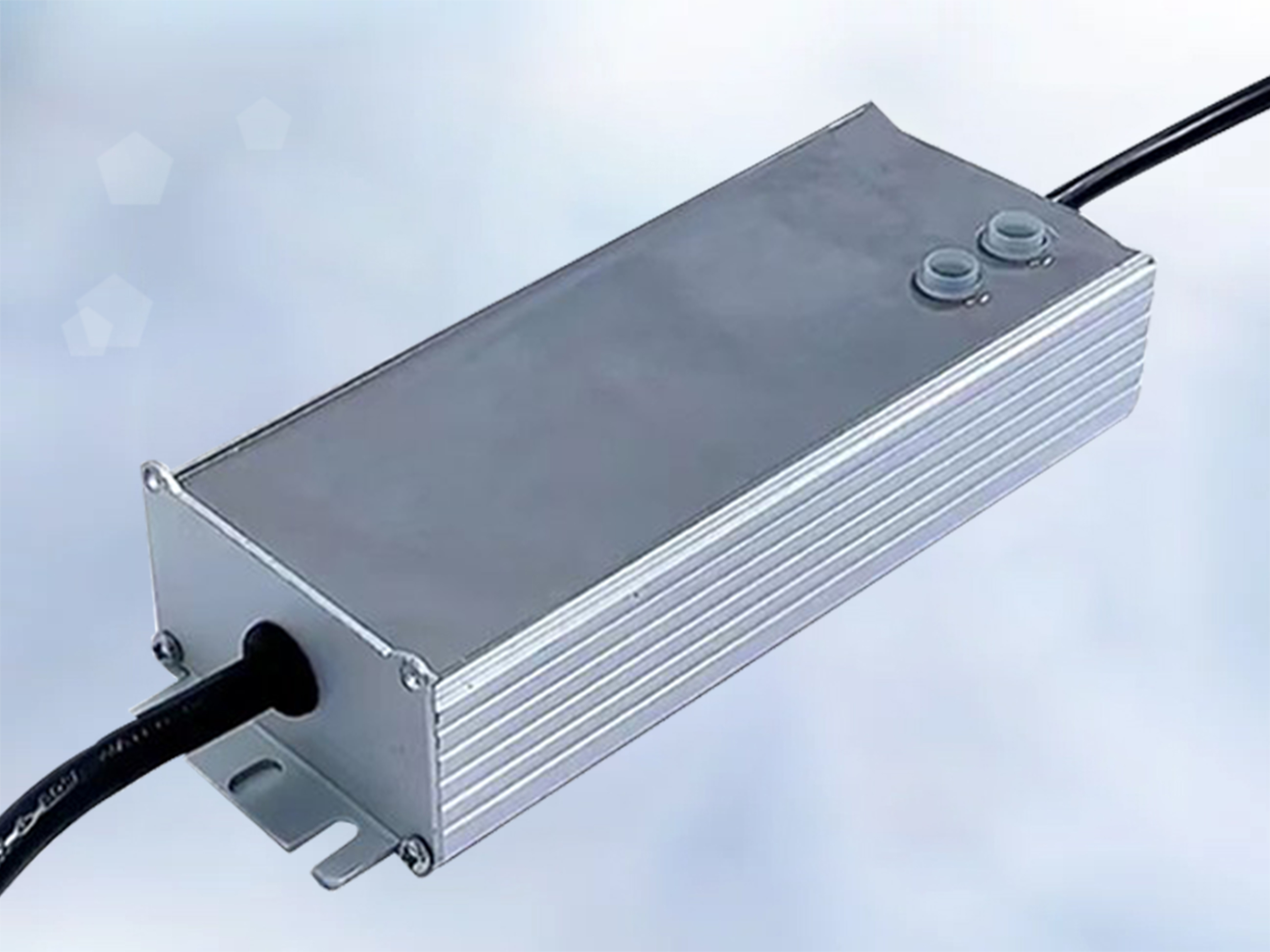
Hinnel product features
Good fluidity and permeability
Excellent electrical performance
Polyaddition Reactions and Polycondensation Reactions
Cures rapidly at room temperature.
The curing process can be accelerated by heating.
It enables curing without by-products (polyaddition reaction).
Excellent thermal conductivity and flame retardancy
Thermal conductivity: 0.6–3.5 W/m·K
During curing, both the shrinkage rate and the stress experienced by the encapsulated component are low.
Reduce stresses and strains caused by mechanical, thermal shocks, and vibrations.
Soft and elastic, and can be reworked.
Excellent high- and low-temperature resistance, maintaining elasticity from -50°C to 250°C.
| Product model | Quality ratio | Mixed viscosity | Operation Time | Curing time | Hardness | Thermal conductivity | Flame-retardant grade | Temperature resistance range | Color | Key Features |
| A: B | cps/25℃ | min/25℃ | ℃×hr/min | shoreA | w/m.k | UL94 | °C | - | ||
| HNSIL8730 | 1:1 | 3500±500 | 55±10 | 25℃ × 10 h or 80℃ × 30 min | 55A | 0.8 | V-0 | -50~250 | Black/Gray | Thermal conductivity, flame retardancy, low viscosity, moderate curing speed, and resistance to poisoning. |
| HNSIL8730-1.5 | 1:1 | 5500±100 | 60±10 | 25℃ × 12 h or 80℃ × 30 min | 65A | 1.5 | V-0 | -50~250 | Black/Gray | High‑thermal‑conductivity silicone potting compound, with high thermal conductivity and high hardness. |
| HNSIL8730-2.0 | 1:1 | 8500±500 | 120±20 | 25℃ × 24 h or 80℃ × 30 min | 70A | 2.0 | V-0 | -50~250 | Black/Gray | High‑thermal‑conductivity silicone potting compound, with high thermal conductivity and high hardness. |
| HNSIL8730-3.0 | 1:1 | 13000±3000 | 80±30 | 25℃ × 24 h or 80℃ × 30 min | 50 (00) | 3.0 | V-0 | -50~250 | Pink | Soft and low in hardness, it adheres well to heat-generating components and offers high thermal conductivity. |
| HNSIL8730N | 1:1 | 4000±500 | 60±10 | 25℃ × 10 h or 80℃ × 30 min | 0 (00) | 0.6 | V-0 | -50~250 | Gray | Soft and adhesive to components and housings, it is used for potting applications such as microinverters. |
| HNSIL8715 | 10:1 | 900±200 | 50±10 | 25℃ × 24h | 30A | 0.2 | - | -50~200 | Black | Condensation-type potting compound, which can cure rapidly and deeply at room temperature, with excellent adhesion. |
| HNSIL8710 | 10:1 | 500±200 | 50±10 | 25℃ × 24h | 25A | 0.2 | - | -50~200 | Transparent | Condensation-type potting compound, which cures rapidly and deeply at room temperature, offers strong adhesion and is reworkable. |
| HNSIL8715G | 10:1 | 2000±500 | 30±10 | 25℃ × 24h | 45A | 0.5 | V-0 | -50~200 | Gray | Thermally conductive, flame-retardant condensation-cure silicone potting compound; exhibits strong adhesion and is non-toxic. |
Instructions for Use (Addition-Cure Silicone Thermal Conductive Potting Compound, HNSIL8730 Series)
Mixed – Before mixing, check each component for sedimentation; if any is present, stir it thoroughly to ensure uniformity. Then, using manual or automated equipment, blend components A and B in the specified weight ratio until a consistent color is achieved. For large‑scale production, automated metering, mixing, and dispensing systems are recommended.
Perfusion – Manual potting may be used, or an automated potting system equipped with a stirring mechanism and a heated material tank can be employed. Place the component to be potted horizontally with the opening facing upward, and within the working time, pour in the potting compound and allow it to self‑level.
Curing – Simply cure the product at the temperature specified in its technical data sheet. For addition-cure systems, the curing time is highly dependent on temperature, part dimensions, and the thermal conductivity of the material being encapsulated. In short, the higher the temperature to which the compound is heated, the faster it will cure.
Here, with respect to the relationship between curing temperature and time, “time” refers to the curing duration after the material has reached the target temperature. The oven’s own heating-up process, components with high thermal mass, or other factors that might delay the material’s attainment of the target temperature should all be taken into account.
Precautions
The A and B components must be weighed precisely according to the specified ratio, and after mixing, they must be thoroughly stirred to ensure uniformity and prevent any adverse effects on the curing process.
Addition‑cure silicone thermal‑conductive potting compounds may fail to cure when in contact with sulfur‑containing, amine‑based, or unsaturated hydrocarbon plasticizers, as well as organometallic compounds—particularly organotin compounds. Common substances that can cause such issues include rosin and natural rubber. If it is uncertain whether a particular material will inhibit curing, a compatibility test should be conducted first.
Storage and Shelf Life
This product is non‑hazardous. Store it away from light and heat in a sealed container; the shelf life is 12 months. To prevent sedimentation during prolonged standing, components A and B must be periodically inverted in their original containers to maintain the longest possible shelf life. Products past their expiration date may only be used after passing a performance test demonstrating compliance with specifications.
If the filler settles or forms lumps during prolonged storage, it must be thoroughly mixed by hand or with a mixer before use.
Warning Information
Before using this product or any Hinnel product, please refer to the Material Safety Data Sheet (MSDS) and the product label for instructions on safe use and handling. If you have any questions, please feel free to contact us.
Frequently Asked Questions:
A common issue encountered during the application of addition‑cure silicone thermally conductive potting compounds is “poisoning.” This phenomenon occurs when, during curing, the compound comes into contact with substances containing nitrogen, phosphorus, sulfur, tin, lead, mercury, arsenic, or similar elements, which inhibit the activity of the platinum catalyst and result in localized areas that fail to cure.
Common substances that can cause poisoning include: natural rubber, sulfur‑containing and ammonia‑based plasticizers, unsaturated hydrocarbon plasticizers, organometallic compounds (particularly organotin compounds), soldering fluxes, rosin, incompletely cured condensation‑type silicone sealants, amine‑cured epoxy resins, and lead‑containing PVC wiring, among others.
Solution:
ü Choosing our company’s products with excellent anti-poisoning performance can address certain poisoning-related issues.
ü If the poisoning is caused by excessive rosin residue on the circuit board surface, the board must be cleaned with board‑cleaning solvent before potting.
ü If the poisoning is caused by silicone sealant or ammonia‑cured epoxy resin, please contact our company for recommendations on high‑performance alcohol‑free titanium‑cured sealants or addition‑cure epoxies that do not contain ammonia.
ü If poisoning is caused by PVC tubing, it can be replaced with silicone tubing; if poisoning is due to rubber gloves, silicone rubber gloves may be used.
Instructions for Use (Condensation-Cure Organic Silicone Thermal Conductive Potting Compound, HNSIL 8715 Series)
Mixed – Before mixing, check whether the filler in Component A has settled; if so, stir it thoroughly first (this step is not required for clear systems). Then, using manual or automated equipment, uniformly blend Components A and B according to the specified weight ratio. For large‑scale production, automated metering, mixing, and dispensing equipment may be employed.
Perfusion – Manual potting may be used, or an automated potting system equipped with a stirring device can be employed. Place the component to be potted with its opening facing upward and positioned horizontally, then pour in the potting compound within the working time and allow it to self‑level.
Curing – Cure at room temperature by standing still. For condensation‑type products, the curing time depends largely on the catalyst and ambient humidity. Curing proceeds from the surface inward, so the surface hardens more quickly while the bottom of the compound cures more slowly. Typically, condensation‑type potting compounds require about seven days to achieve full cure.
Precautions
The A and B components must be weighed precisely according to the specified ratio, and after mixing, they must be thoroughly stirred to ensure uniformity and prevent any adverse effects on the curing process.
Ambient humidity affects the curing speed of this product; therefore, curing times may vary depending on geographic location and climatic conditions.
Storage and Shelf Life
This product is non-hazardous. Store it away from light and heat in a sealed container; the shelf life is six months. Products past their expiration date may only be used after passing a performance inspection confirming they are still within acceptable specifications.
If Component A has been stored for an extended period and the filler has settled or formed lumps, the sediment must be thoroughly mixed by hand or with a mixer before use. (This step is not required for clear systems.)
The color of Component B will darken over time; this is a normal phenomenon and does not affect its performance. After taking out Component B, be sure to store it in a sealed container—never leave it exposed. 。
Warning Information
Before using this product or any Hinnel product, please refer to the Material Safety Data Sheet (MSDS) and the product label for instructions on safe use and handling. If you have any questions, please feel free to contact us.
Shanghai Hinnel provides innovative adhesive solutions for bonding, sealing, potting, thermal management, and protection. Our team works closely with customers to help enhance the value of their products. In an ever-evolving market, we continuously innovate and respond swiftly, committed to delivering professional products and technical support to customers worldwide.
The product’s TDS, MSDS, RoHS, REACH, and other relevant documents can be obtained via the following methods:
✓ Online Message on This Site
✓ Email: sales@hinnel.com
✓ Phone: 021-57896706
✓ Our company’s official WeChat account: Shanghai Hinnel New Materials Technology Co., Ltd.
✓ Please contact our relevant sales representatives directly to obtain it.
Our products don’t stop here.
We have a dedicated team of marketing professionals and R&D experts who can provide you with tailored adhesive solutions perfectly suited to your specific needs.
How can we assist you?