
Applications and Common Issues of Silicone Sealant
With the continuous advancement of technology and the growing awareness of environmental protection, silicone sealants will find applications in an increasing number of fields. In particular, in areas such as new energy and environmentally friendly materials, the outstanding performance of silicone sealants will be further leveraged. Shanghai Hinnel New Materials Technology Co., Ltd. introduces the applications and common issues associated with silicone sealants.
Shanghai Hinnel
Jul 20,2026


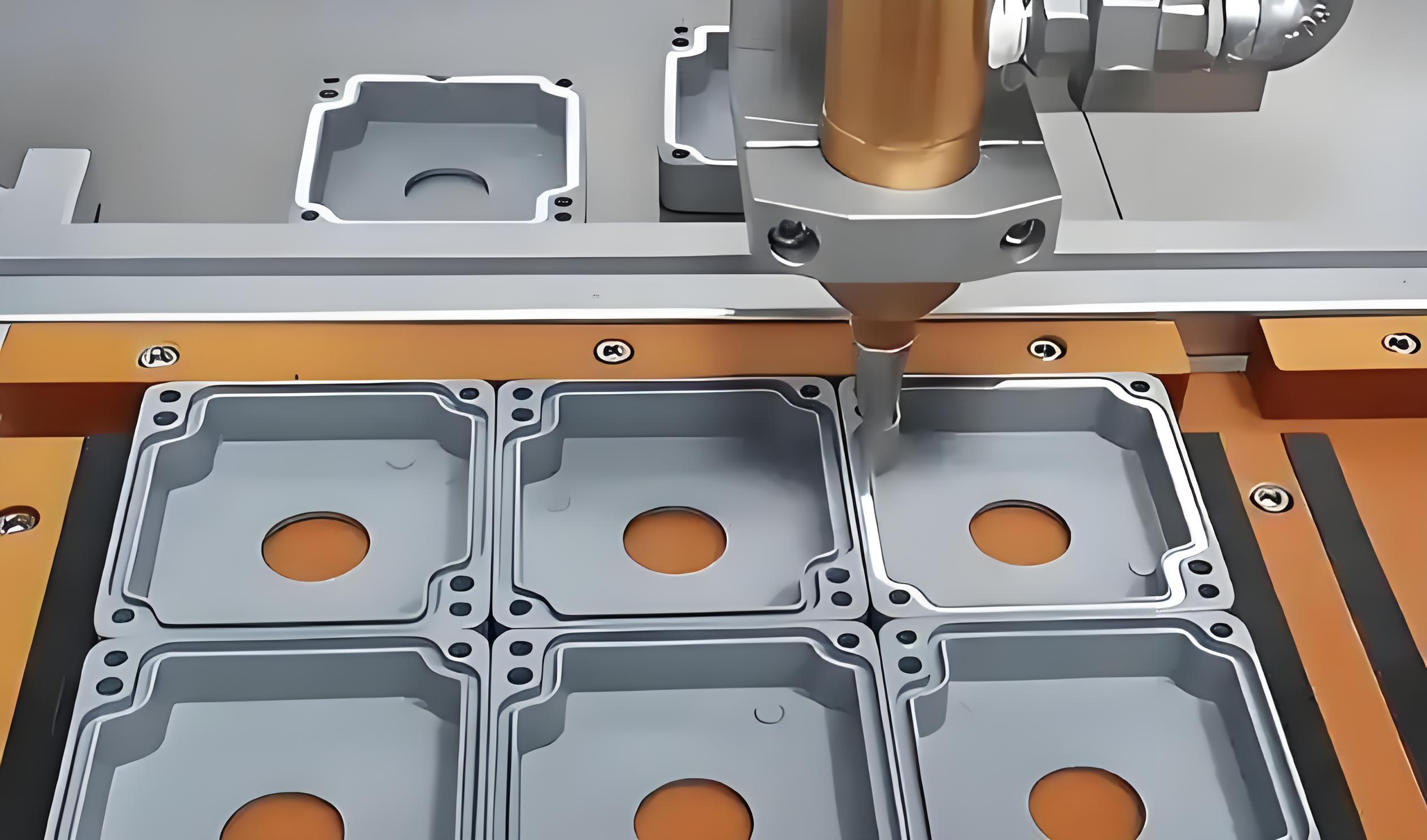
What is Silicone sealant ?
Organosilicone sealant is a high-performance sealing material whose main component is an organosilicon compound. Its temperature resistance range is… -55℃~315℃ As a result, it stands out among numerous sealing materials thanks to its unique physical and chemical properties, including excellent weather resistance, high-temperature resistance, corrosion resistance, and aging resistance.
The primary functions of silicone sealant
1. Joint Sealing: Silicone sealants, owing to their excellent elasticity and water resistance, are commonly used to fill gaps between building materials, effectively preventing the ingress of moisture, gases, and other external environmental factors, thereby ensuring the airtightness and watertightness of structures.
2. Adhesive Bonding: In curtain wall construction, silicone sealants can bond various materials together, creating a stable structure that ensures the system’s integrity and structural stability.
3. Seismic Buffering: Thanks to its excellent elasticity, silicone sealant can absorb and dissipate vibrational energy generated by earthquakes or other external forces, thereby protecting structures from damage.
4. Excellent weather resistance: Silicone sealants can withstand the effects of climate change, maintaining superior performance in both scorching summers and freezing winters, thereby effectively preventing joint‑gap issues caused by temperature fluctuations.
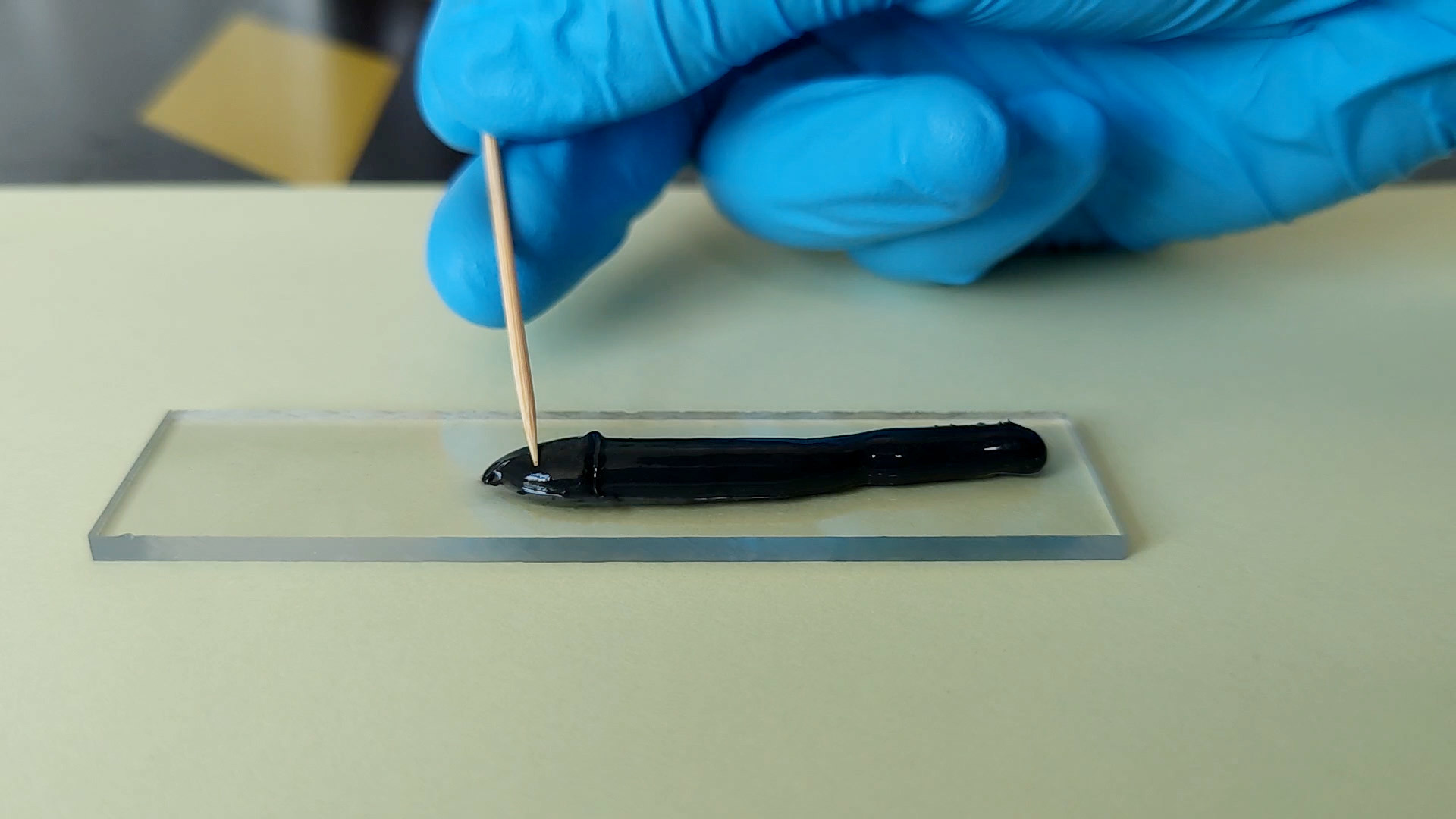
Silicone sealant What are the frequently asked questions?
(1) Why does silicone adhesive sealant exhibit viscosity differences between winter and summer? ?
The viscosity of the adhesive solution varies with temperature: in summer, higher temperatures lead to a decrease in viscosity, while in winter the opposite occurs; however, the viscosity remains within the acceptable range.
(2) How to Increase the Curing Rate of Silicone Sealant ?
Silicone sealants rely on moisture to initiate the curing reaction; increasing humidity can significantly accelerate the curing process. Additionally, raising the ambient temperature can further enhance curing, but care must be taken to avoid exceeding… 40°C To prevent bubble formation, the recommended thickness for a single coat of adhesive should not exceed 3 Millimeters—excessive thickness can slow internal curing; ensure uniform, thin application to enhance overall efficiency.
(3) Solutions for Non-Curing Silicone Sealant
Insufficient temperature can result in incomplete curing; therefore, an appropriate temperature must be selected to ensure full cure of the silicone sealant. When applying at low temperatures, suitable heating conditions should be provided to achieve curing at room temperature. During storage, avoid exposure to humid or high‑temperature environments to prevent degradation of performance.

° Send an email to Send an email to sales@hinnel.com Email box ;
° Call the hotline. +86-021-5789 6706 Consultation ;
° Call technical support +86-18121338868 Consultation.
Note: Some images are sourced from the internet; please contact us for removal if there is any infringement.
>Recommended Reading

Shanghai Hinnel
Nov 12,2026
From automotive to industrial manufacturing, how do you choose the right adhesive for sensors?
Shanghai Hinnel
Nov 05,2026
How to choose potting compound for photovoltaic inverters? From operating conditions to materials.
Shanghai Hinnel
Nov 03,2026
How can we assist you?
