
Polyurethane Structural Adhesive vs. Silicone Sealant: Performance Characteristics and Application Scope
Polyurethane sealant and silicone sealant are both widely used sealing materials in fields such as construction and transportation. They have distinct characteristics and are suited to different environments, so it’s essential to thoroughly understand their properties when making a selection to meet specific needs. Shanghai Hinnel New Materials Technology Co., Ltd. introduces the differences between these two types of structural adhesives, helping you better understand and choose the material that best fits your requirements.
Shanghai Hinnel
Jul 20,2026


I. Chemical Composition and Curing Form
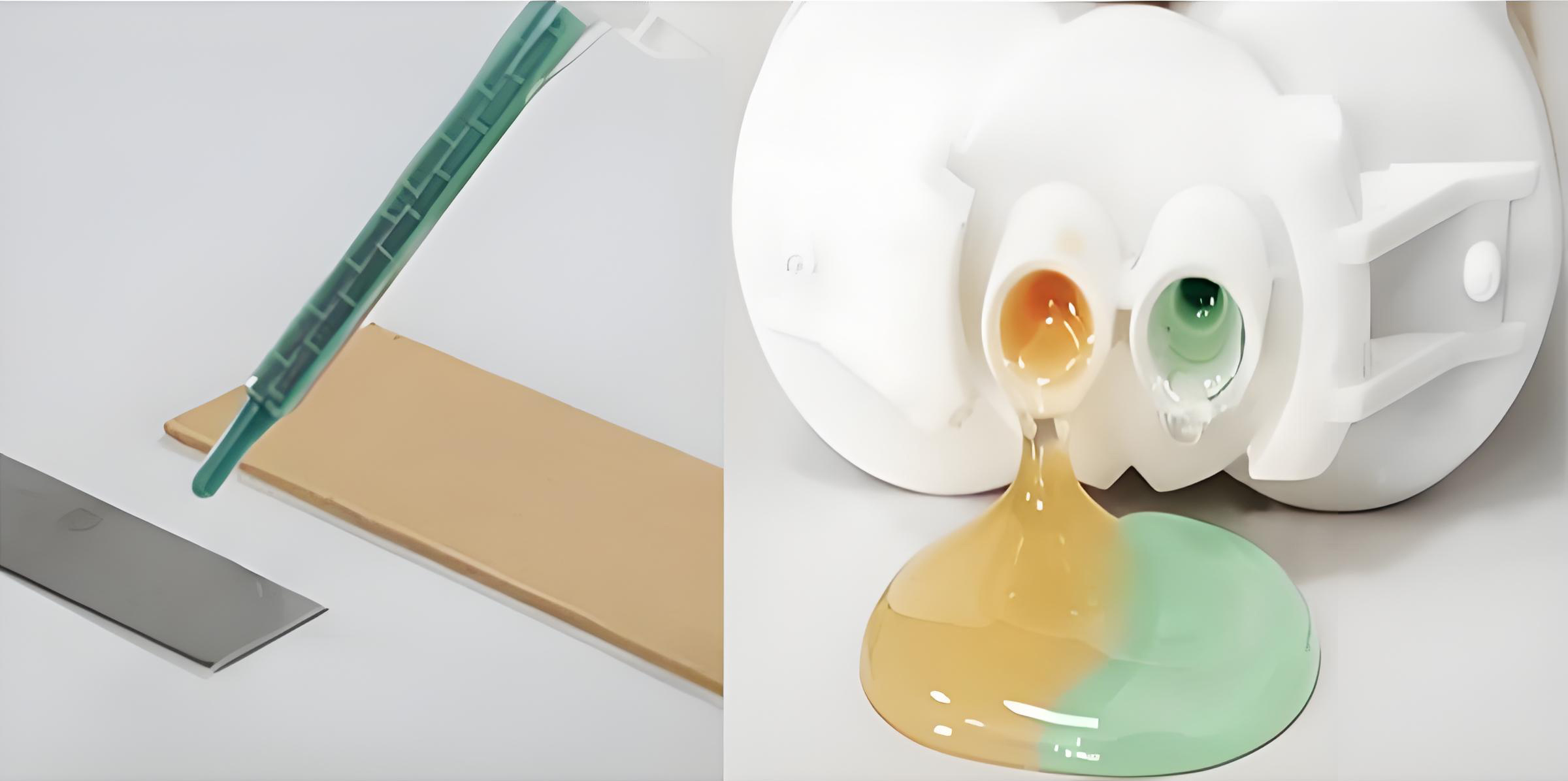
Polyurethane structural adhesive It is an adhesive containing isocyanate groups that cures by absorbing moisture, meaning it relies on atmospheric humidity to initiate the curing reaction. In contrast, silicone structural adhesives contain silane groups and cure upon exposure to atmospheric moisture, forming a tough, rubbery solid material.
II. Product Performance Characteristics
1. Polyurethane structural adhesive
Polyurethane structural adhesives exhibit high tensile and tear strengths, as well as excellent low-temperature resistance; even at elevated hardness levels, they maintain substantial elasticity. At room temperature, these adhesives demonstrate superior oil resistance and strong resistance to oxidation, ozone, and ultraviolet radiation.
2. Silicone structural adhesive
Silicone structural adhesives maintain excellent bonding performance even under high-temperature conditions, while also exhibiting superior water resistance and weatherability. Their outstanding chemical corrosion resistance and high tensile strength have earned them widespread favor among users.
III. Scope of Application
Polyurethane structural adhesive: Due to its high bonding strength and excellent elasticity, polyurethane structural adhesives are widely used in architectural structures, automotive body panels, and the aerospace industry. For example, in construction, they can be employed to bond precast concrete panels, delivering robust structural joints and superior impact resistance.
Silicone structural adhesive: It is primarily used for structural bonding and assembly in architectural curtain walls, such as bonding glass, metal, and other materials. It exhibits excellent adhesion, outstanding aging resistance, and high modulus, while also accommodating a certain degree of interface expansion–contraction movement.
In summary, polyurethane structural adhesives and silicone structural adhesives each possess unique advantages and application scenarios. When making a selection, it is essential to conduct a comprehensive assessment based on the specific circumstances. With advances in technology and evolving market demands, these two types of structural adhesives are poised to assume increasingly critical roles in fields such as construction, automotive, and aerospace.
Related articles: Product Applications and Performance Characteristics of Polyurethane Structural Adhesives
>Recommended Reading

From automotive to industrial manufacturing, how do you choose the right adhesive for sensors?
Shanghai Hinnel
Nov 05,2026
How to choose potting compound for photovoltaic inverters? From operating conditions to materials.
Shanghai Hinnel
Nov 03,2026
Shanghai Hinnel
Oct 27,2026
How can we assist you?
