
Causes of Bubble Formation in Epoxy Potting Compounds and Corresponding Solutions
Epoxy potting compounds, as an important sealing material, are widely used in electronics, electrical appliances, automotive applications, and other fields. During the curing process, the formation of bubbles not only compromises the product’s appearance but may also adversely affect its performance and service life. So, what causes these bubbles, and how can they be addressed?
Shanghai Hinnel
Jul 20,2026


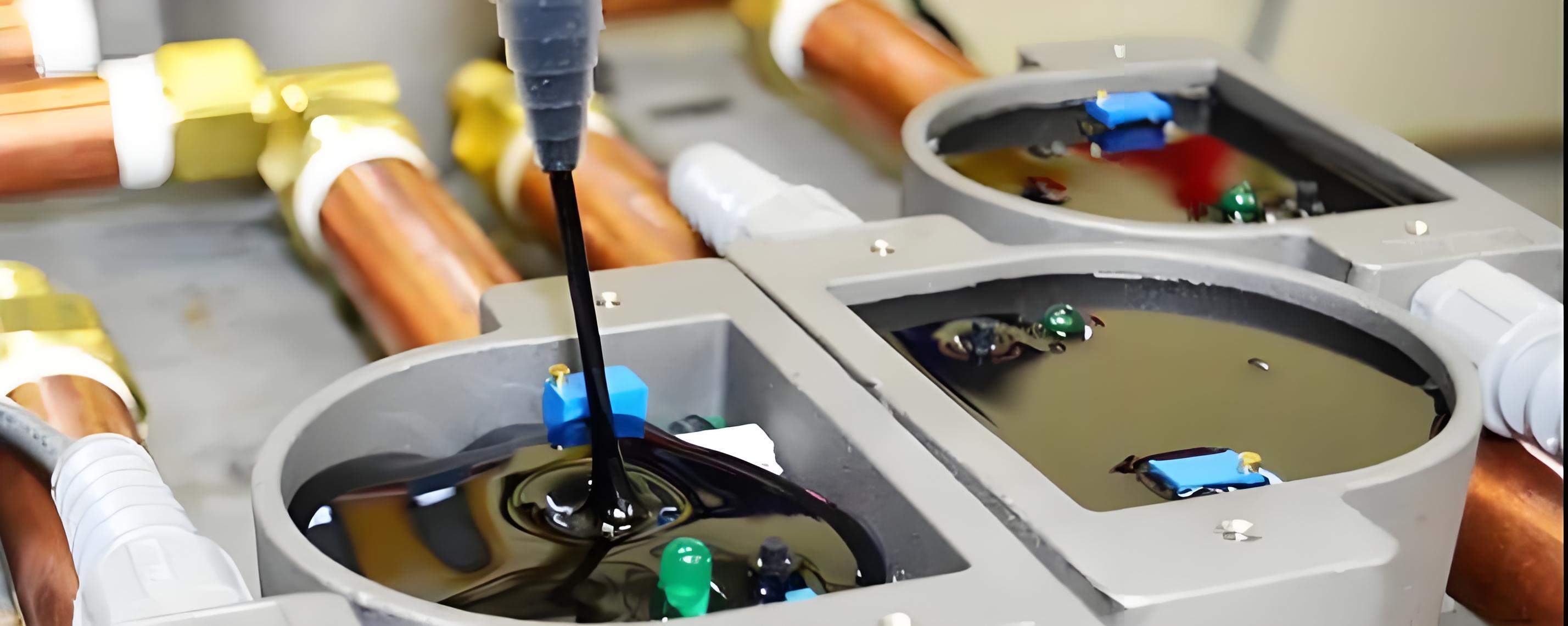
I. Causes of bubble formation during mixing and their solutions:
During the construction process, there may be Epoxy potting compound Bubbles may appear, primarily because air becomes entrapped within the colloid when it comes into contact with the atmosphere. To address this issue, ensure that the working environment is dry and dust‑free before application, and avoid exposing the material directly to ambient air. Additionally, you can increase the mixing time to help release any trapped air from the colloid.
II. Causes of Bubble Formation During Curing and Their Solutions:
During the curing process of epoxy resin polymerization, microscopic air bubbles can coalesce into larger bubbles as they expand upon heating. Additionally, chemical instability, mixing issues when using thickeners, foaming resulting from reactions after the thickener has been incorporated, the discharge of the slurry, and improper handling during adhesive preparation and stirring can all contribute to bubble formation.
These bubbles not only affect the product’s appearance and quality but may also lead to reduced construction efficiency, VCM Issues such as gas-phase polymerization. Therefore, bubble removal is a critical step in the production and application of epoxy resin adhesives.
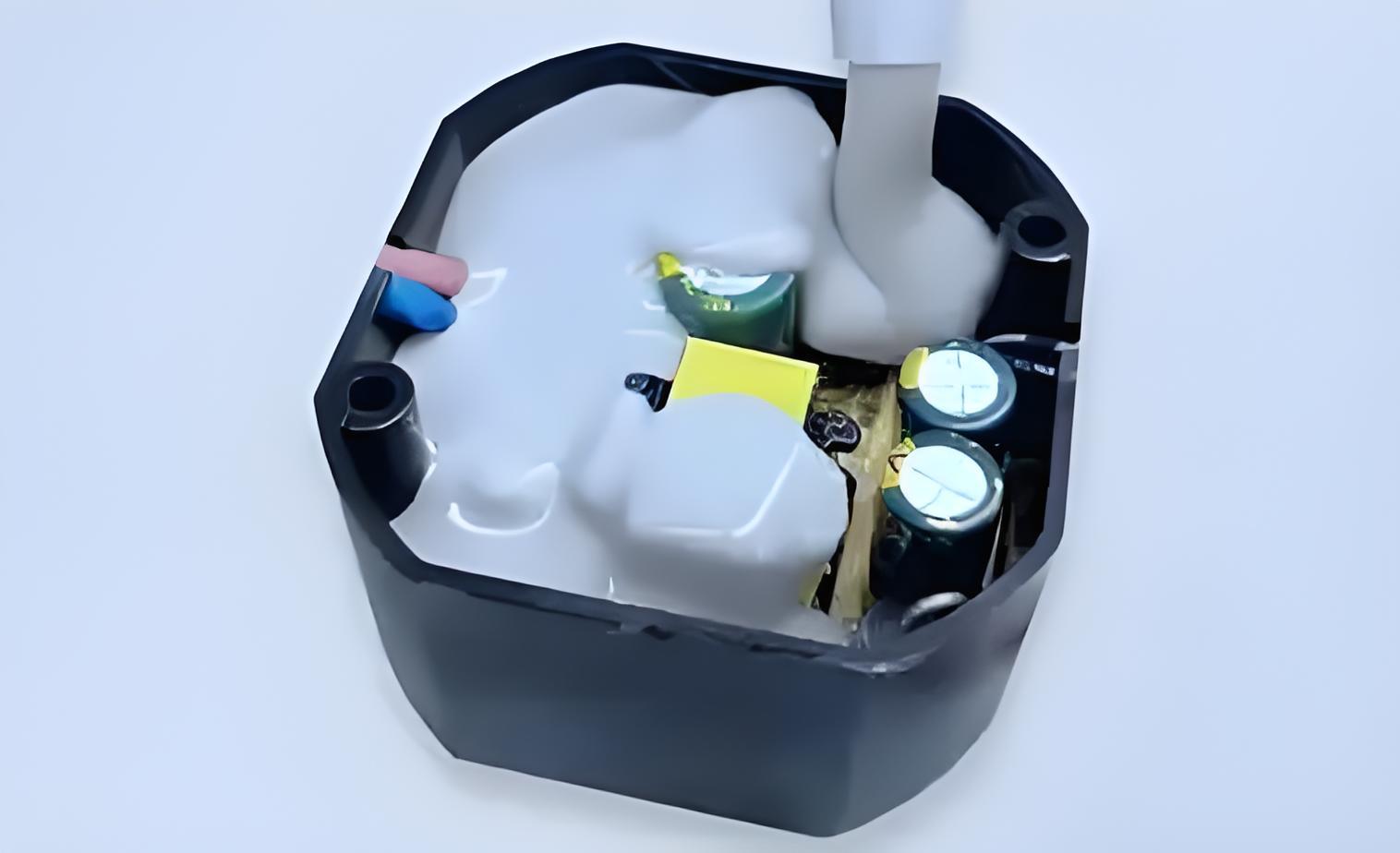
To address the bubbling issue, you can try the following methods:
1 , used during glue mixing Vacuum degassing device , ensuring that the adhesive solution is free of air bubbles and impurities.
2 , Appropriately increase the curing temperature and extend the curing time to allow sufficient time for air bubbles to escape.
3 Before use, electronic components should be dried to remove surface moisture.
4 Add an appropriate amount of defoamer, but be mindful of its effectiveness.
III. Preventive Measures
1. Material Selection
Low-viscosity adhesive: Choose a grade with excellent flowability (e.g., epoxy adhesive viscosity < 2000cps ).
Defoaming formulation: potting compound containing a defoaming agent.
2. Stirring and defoaming
Stir at a constant speed in a fixed direction (e.g., clockwise). 10-15 Minutes, avoid vigorous shaking.
Vacuum degassing : After mixing, the adhesive solution is placed in a vacuum environment ( 0.08-0.1MPa ) Processing 5-10 Minutes, thoroughly remove air bubbles.
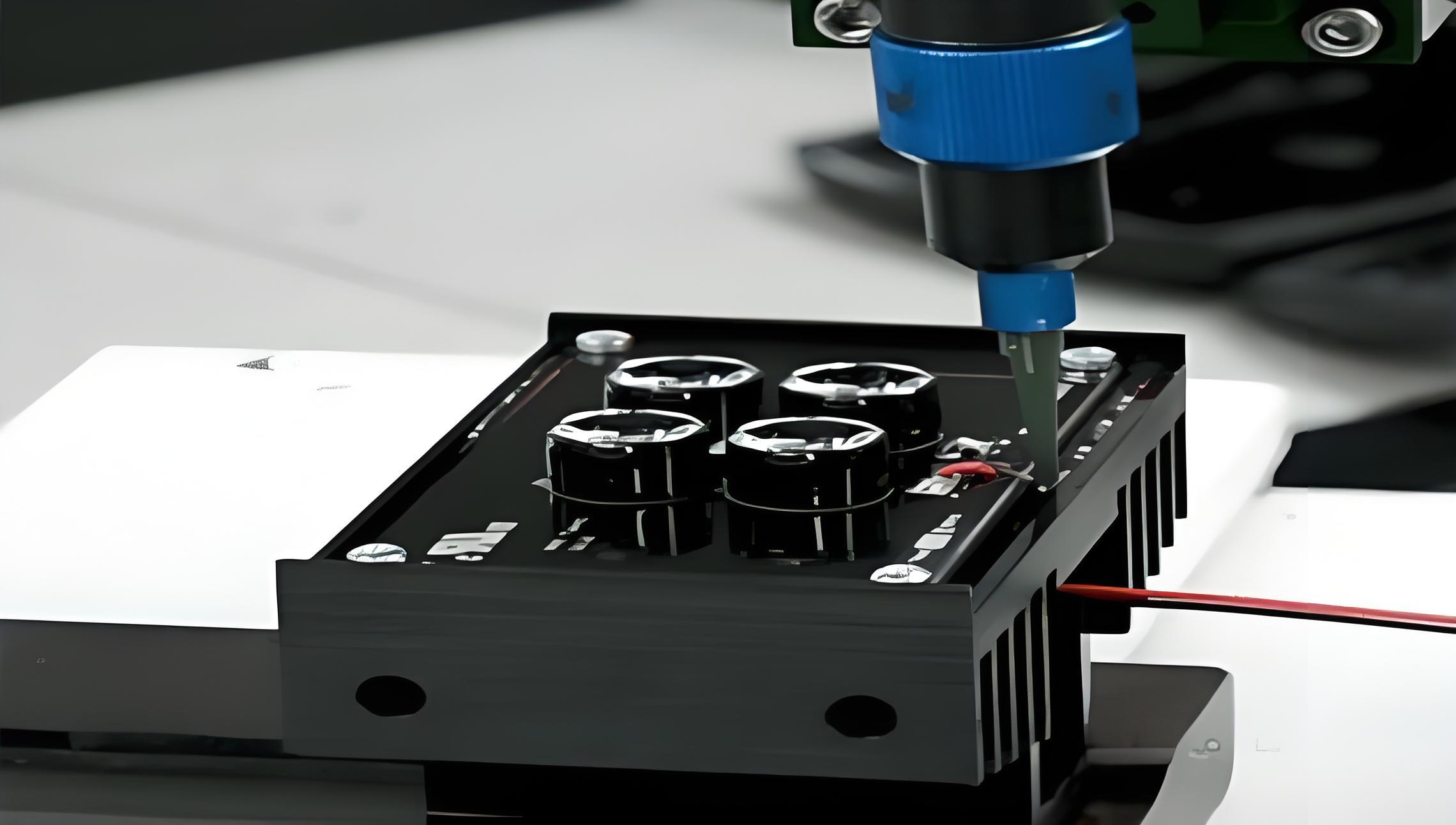
3. Substrate Treatment
Porous substrates: Apply a sealing primer (such as an epoxy primer) first to prevent gas from escaping through the pores.
Preheating the substrate: 40~60 ℃ Preheat metal or plastic parts to reduce thermal‑shrinkage bubbles.
By implementing comprehensive process control, material selection, and environmental management, bubble formation can be significantly reduced, ensuring the performance and reliability of potting‑and‑encapsulation products. If the above measures still fail to resolve the issue, please contact us via the website for additional technical support and guidance.

° Send an email to sales@hinnel.com Email box ;
° Call the hotline. +86-021-5789 6706 Consultation ;
° Call technical support +86-18121338868 Consultation.
Note: Some images are sourced from the internet; please contact us for removal if there is any infringement.
>Recommended Reading

Shanghai Hinnel
Nov 12,2026
From automotive to industrial manufacturing, how do you choose the right adhesive for sensors?
Shanghai Hinnel
Nov 05,2026
How to choose potting compound for photovoltaic inverters? From operating conditions to materials.
Shanghai Hinnel
Nov 03,2026
How can we assist you?
