

Industry hot search
![[Capacitor Epoxy Potting Compound] Thermally conductive and flame-retardant, enhancing application reliability!](https://omo-oss-image.thefastimg.com/portal-saas/pg2024070417514437777/cms/image/83246672-5e7a-4d0c-9d0f-2b8906360d88.jpg "[Capacitor Epoxy Potting Compound] Thermally conductive and flame-retardant, enhancing application reliability!")
A capacitor is an electronic component capable of storing electrical energy and is widely used in various electronic devices. It plays crucial roles such as filtering, coupling, resonance, and energy storage, making it an indispensable part of electronic circuits. This article analyzes the characteristics of using epoxy potting compounds for capacitors.
2026-07-20

How should you choose potting compound for automotive terminals?
With the rapid advancement of new-energy vehicles and intelligent driving technologies, automotive connectors—key components in electronic systems—play a critical role in ensuring vehicle safety. Consequently, selecting the appropriate potting compound for automotive connectors is a vital task, as it directly impacts both safety and performance.
2026-07-20

Is potting compound for automotive electronic sensors effective?
In automobiles, sensors collect a wide range of data—such as vehicle speed, engine status, and external environmental conditions—to provide the basis for decision-making in the vehicle’s control systems. Consequently, sensor reliability and stability are of paramount importance. As a specialized sealing material, what role does potting compound play in automotive electronic sensors?
2026-07-20

How to Select Potting Compound for Industrial Control Modules
Potting compound is a specialized material used to protect electronic components and assemblies from external environmental factors. In industrial control modules, potting compounds provide waterproofing, moisture resistance, dust protection, and vibration damping, while also withstanding temperature fluctuations, thereby ensuring stable operation under a wide range of harsh conditions.
2026-07-20

Adhesive Solutions for Critical Components of Industrial Dust Collection Filters
In the industrial sector, the selection of an adhesive is critical when choosing high-efficiency filters. The adhesive must maintain strong adhesion under high-temperature and high-pressure conditions, while being free of secondary contamination and non-corrosive to the filter media—making it an environmentally friendly formulation.
2026-07-20
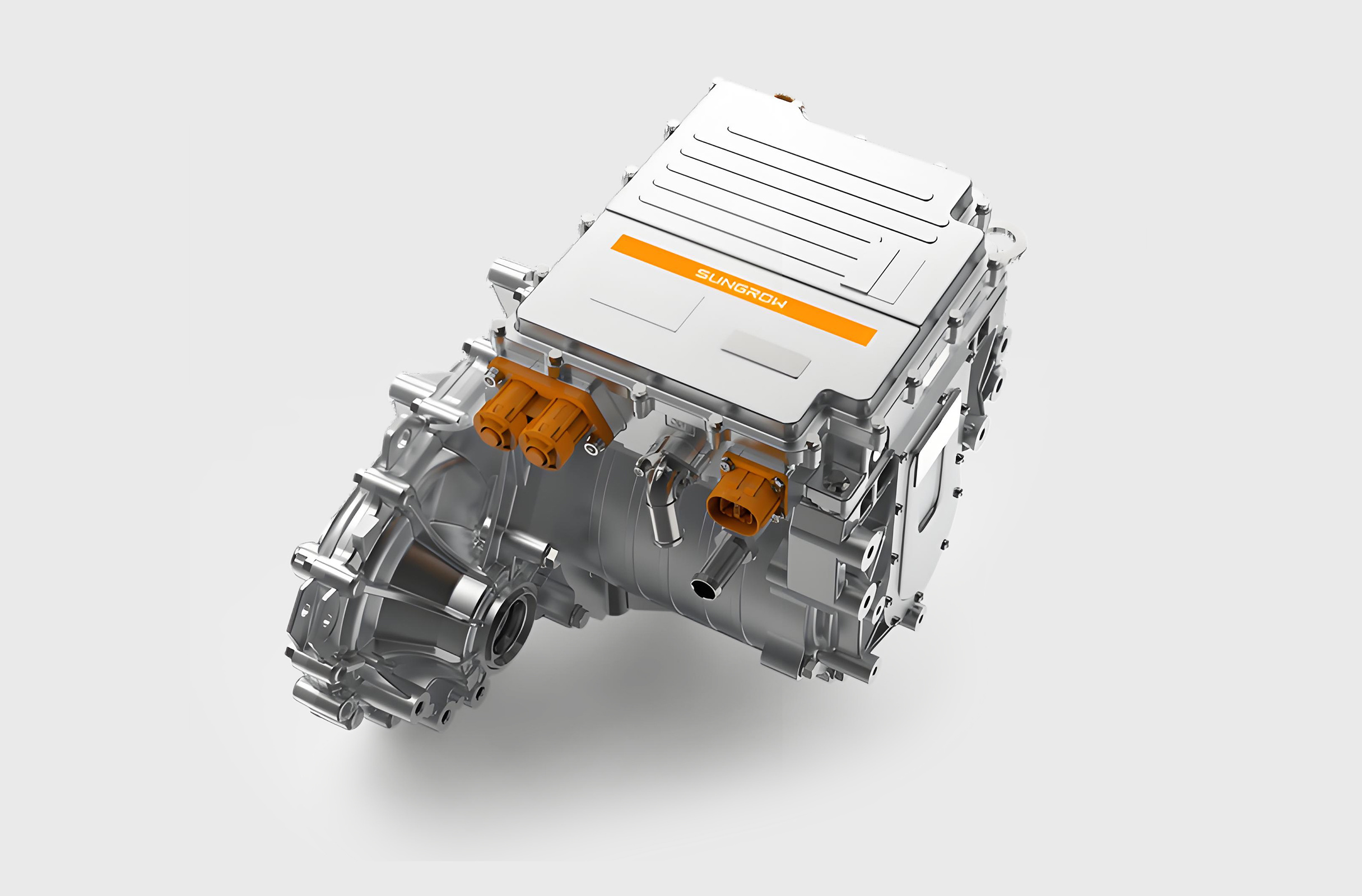
Adhesive Solutions for Electric Control Systems in New Energy Vehicles
The primary powertrain of new‑energy vehicles comprises three key components: the battery, the electric drive system, and the electronic control unit. Among these, the electronic control system is one of the core elements, demanding encapsulating adhesives with superior electrical performance, outstanding thermal stability, excellent insulation properties, and robust water‑ and moisture‑resistance. Conventional adhesive materials can no longer meet the stringent requirements of modern electronic control systems; accordingly, developing advanced, specialized adhesives that align with the needs of new‑energy vehicle ECUs has become a central focus in the industry. Below, we introduce adhesive solutions tailored for the electronic control systems of new‑energy vehicles.
2026-07-20
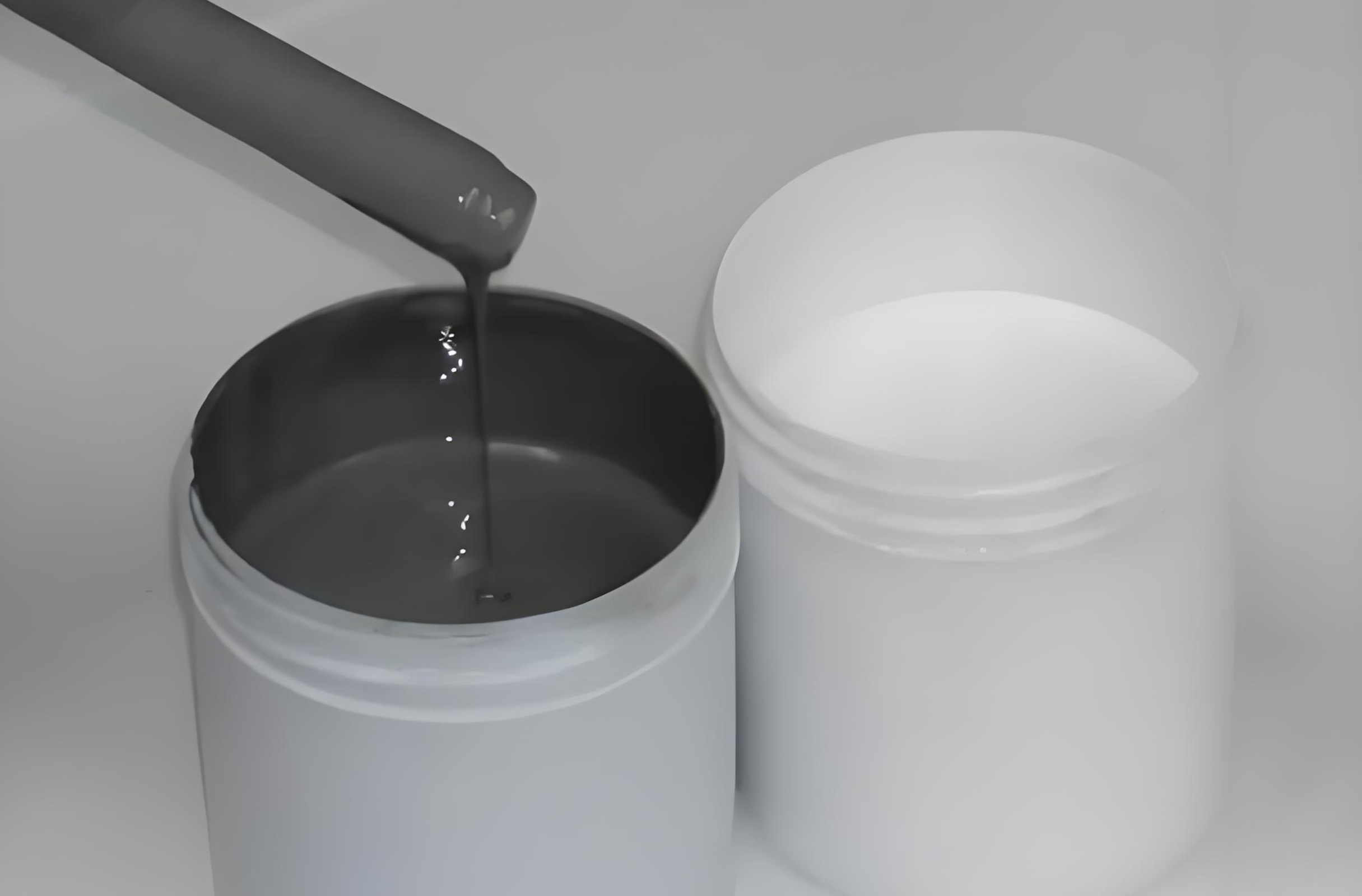
Electronic devices have become an indispensable part of our daily lives and work, ranging from smartphones and computers to smart wearables—they are ubiquitous. However, as technology advances and performance continues to improve, power consumption has also risen, making thermal management an increasingly pressing challenge.
2026-07-20
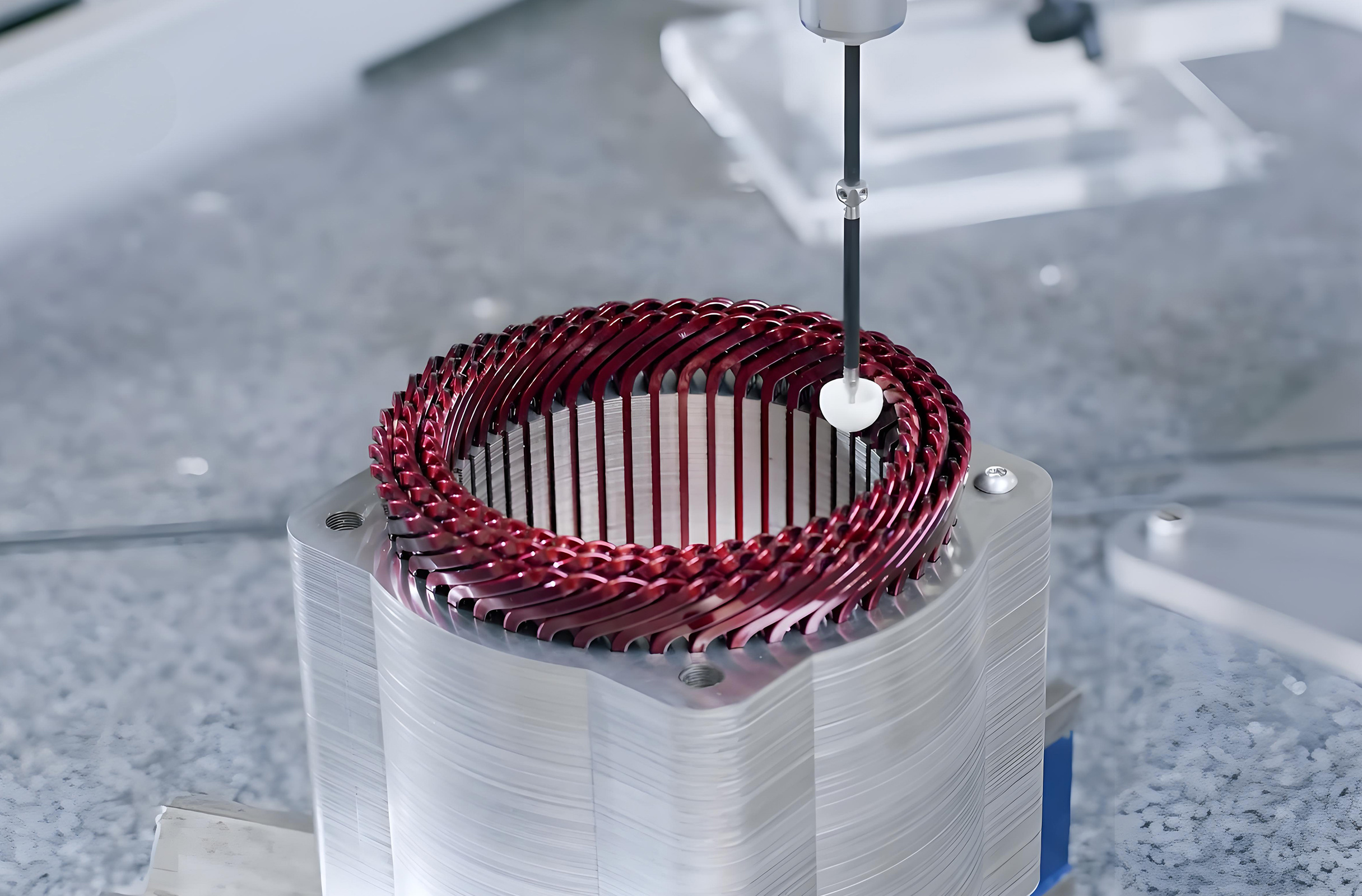
What role does epoxy structural adhesive play in motor stators?
Stator potting is a critical step in the motor manufacturing process, and the selection of an appropriate potting material directly affects the motor’s performance and service life.
2026-07-20
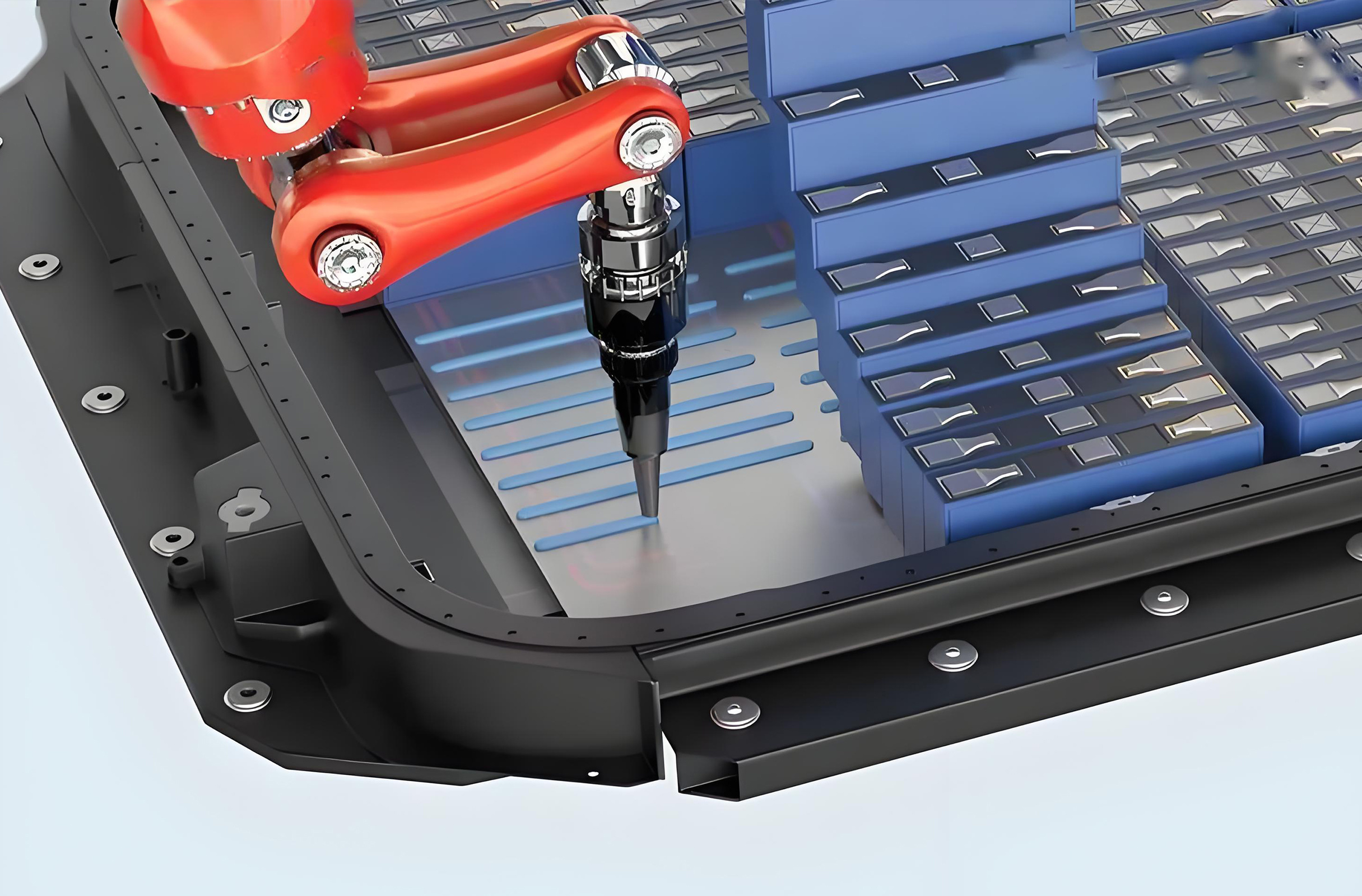
Common Issues in the Use of Polyurethane Structural Adhesives
Polyurethane structural adhesive is a high-performance adhesive used for bonding structural components. It boasts characteristics such as high strength, strong adhesion, excellent aging resistance, and superior chemical corrosion resistance. Below is a detailed explanation of the properties of polyurethane structural adhesives and answers to common questions:
2026-07-20
How can we assist you?