
Application Methods for Addition-Cure and Condensation-Cure Potting Compounds
The main components of silicone potting compounds are silicone resin, adhesives, catalysts, and thermally conductive materials. Silicone potting compounds can also be formulated with functional fillers to impart properties such as electrical conductivity, thermal conductivity, and magnetic permeability. Shanghai Hinnel New Materials Technology Co., Ltd. introduces the application methods for addition-cure and condensation-cure potting compounds.
Shanghai Hinnel
Jul 08,2025


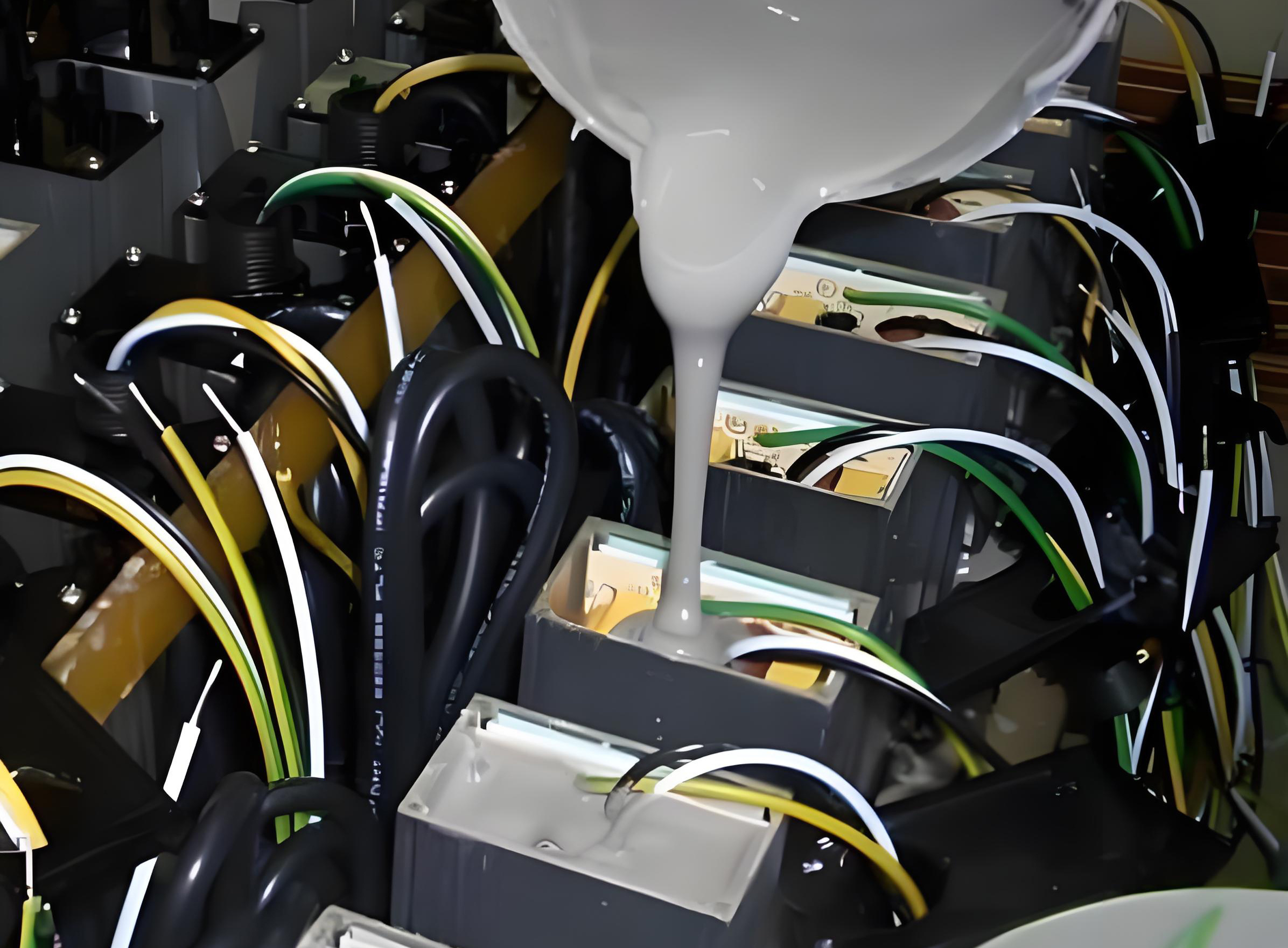
Addition-cure potting compounds are sealing materials widely used in electronics, automotive, aerospace, and other industries. It is characterized by excellent electrical insulation, seismic resistance, temperature resistance, and high adhesive strength.
Addition-cure silicone thermal-conductive potting compound Instructions for Use
Mix: Before mixing the adhesive, check whether the filler in each component has settled; if so, stir it thoroughly first. Then, using manual or automated equipment, proceed to… A/B Components in proportion ( Weight ratio ) Mix thoroughly until the color is uniform; for large-scale production, automated dosing can be used. / Mixing / Adhesive dispensing equipment.
Perfusion: Manual potting may be used, or an automated potting system equipped with a stirring mechanism and a heating jacket for the material tank can be employed. Place the component to be potted horizontally with the opening facing upward, and within the working time, pour in the potting compound and allow it to self‑level.
Curing: Simply cure the product at the temperature specified in its technical data sheet. For addition‑cure systems, the curing time is highly dependent on temperature, part dimensions, and the thermal conductivity of the material being encapsulated. In short, the higher the temperature to which the compound is exposed, the faster it will cure.
Here, with respect to the relationship between curing temperature and time, “time” refers to the curing duration after the material has reached the target temperature. The oven’s own heating-up process, components with substantial thermal mass, or other factors that might delay the material’s attainment of the target temperature should all be taken into account.
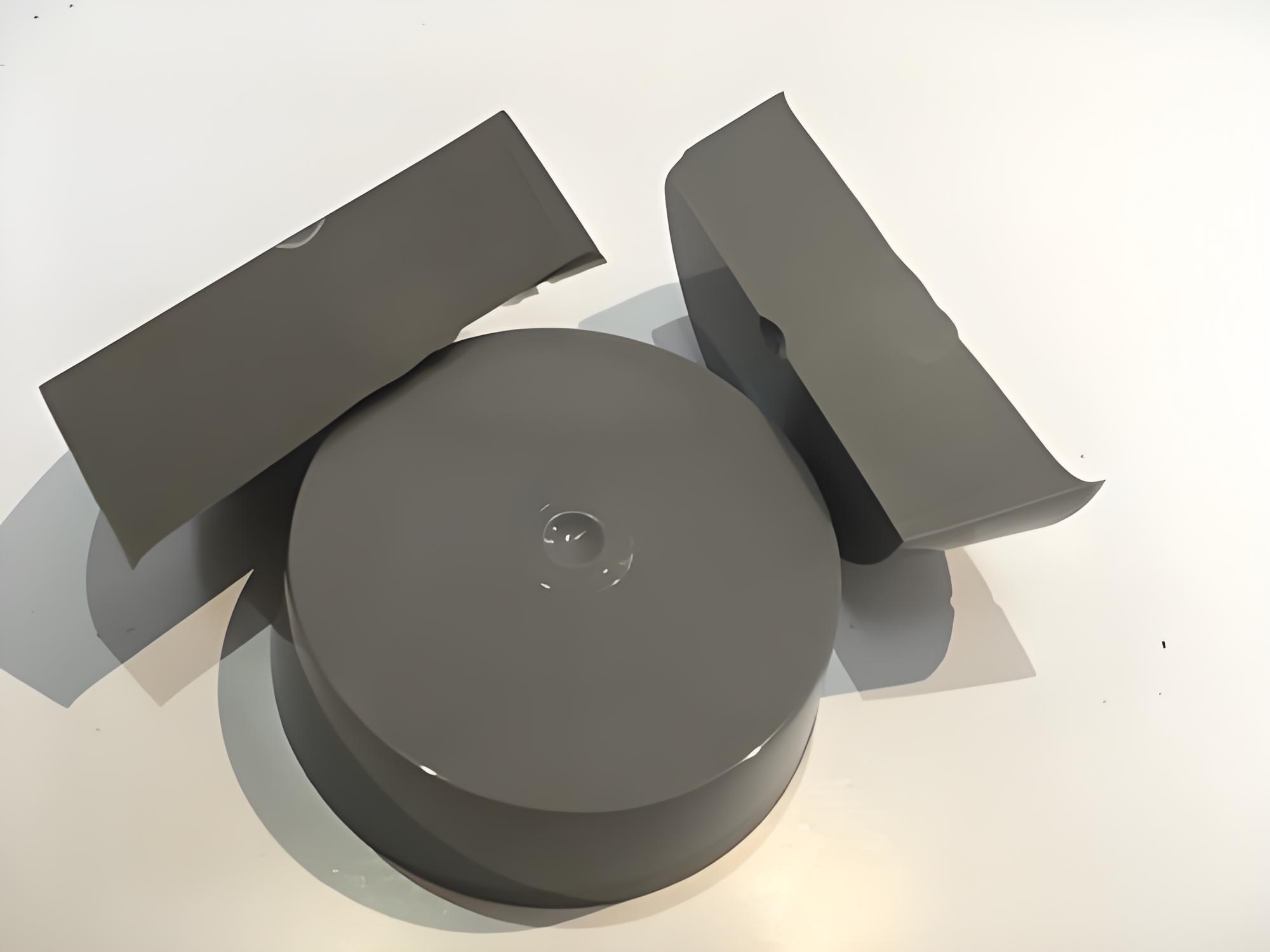
Condensation-type potting compounds are high-performance sealing materials, suitable for potting and protecting a wide range of electronic devices and instrumentation. It is characterized by excellent weather resistance, UV resistance, water resistance, and superior electrical insulation properties.
Application Method for Condensation-Cure Silicone Thermal Conductive Potting Compound
Mix: Before mixing the adhesive, inspect. A Check whether the filler in the formulation has settled; if sediment is present, stir it thoroughly to ensure uniformity first (this step is not required for transparent systems). Then, using manual or automated equipment, proceed to… A/B Components in proportion ( Weight ratio ) Mix uniformly; for large-scale production, automated metering can be used. / Mixing / Adhesive dispensing equipment.
Perfusion: Manual potting may be used, or an automated potting system equipped with a stirring device can be employed. Place the component to be potted with its opening facing upward and positioned horizontally, then pour in the potting compound within the working time and allow it to self‑level.
Curing: Cure at room temperature by standing; for condensation‑type products, the curing time depends largely on the catalyst and ambient humidity. Curing in the adhesive occurs progressively from the surface inward, so the surface cures more quickly while the bottom of the adhesive cures more slowly. Typically, condensation‑type potting compounds require… 7 It takes a full day to fully cure.
Electronic components have a certain demand for adhesives. Organosilicon thermally conductive potting compound It not only exhibits stable dielectric insulation but also offers thermal conductivity, high elasticity, resistance to extreme temperatures, and vibration damping—qualities that make silicone potting compounds the preferred choice for many electronic components. To ensure comprehensive and effective insulation, moisture protection, and environmental shielding of electronic parts, it is essential to strictly adhere to the potting compound’s application guidelines.
>Recommended Reading

From automotive to industrial manufacturing, how do you choose the right adhesive for sensors?
Shanghai Hinnel
Nov 05,2026
How to choose potting compound for photovoltaic inverters? From operating conditions to materials.
Shanghai Hinnel
Nov 03,2026
Shanghai Hinnel
Oct 27,2026
How can we assist you?
