
Recommended adhesive for photoelectric sensors: epoxy potting compound HNEP6225.
A sensor is a detecting device that senses a specified measured quantity and converts it into a usable signal according to a defined rule (mathematical function). Its performance and reliability are receiving increasing attention. So, how do you choose an encapsulating potting compound that can extend the sensor’s service life?
Shanghai Hinnel
Jul 23,2025


We recommend using epoxy potting compound. HNEP6225.
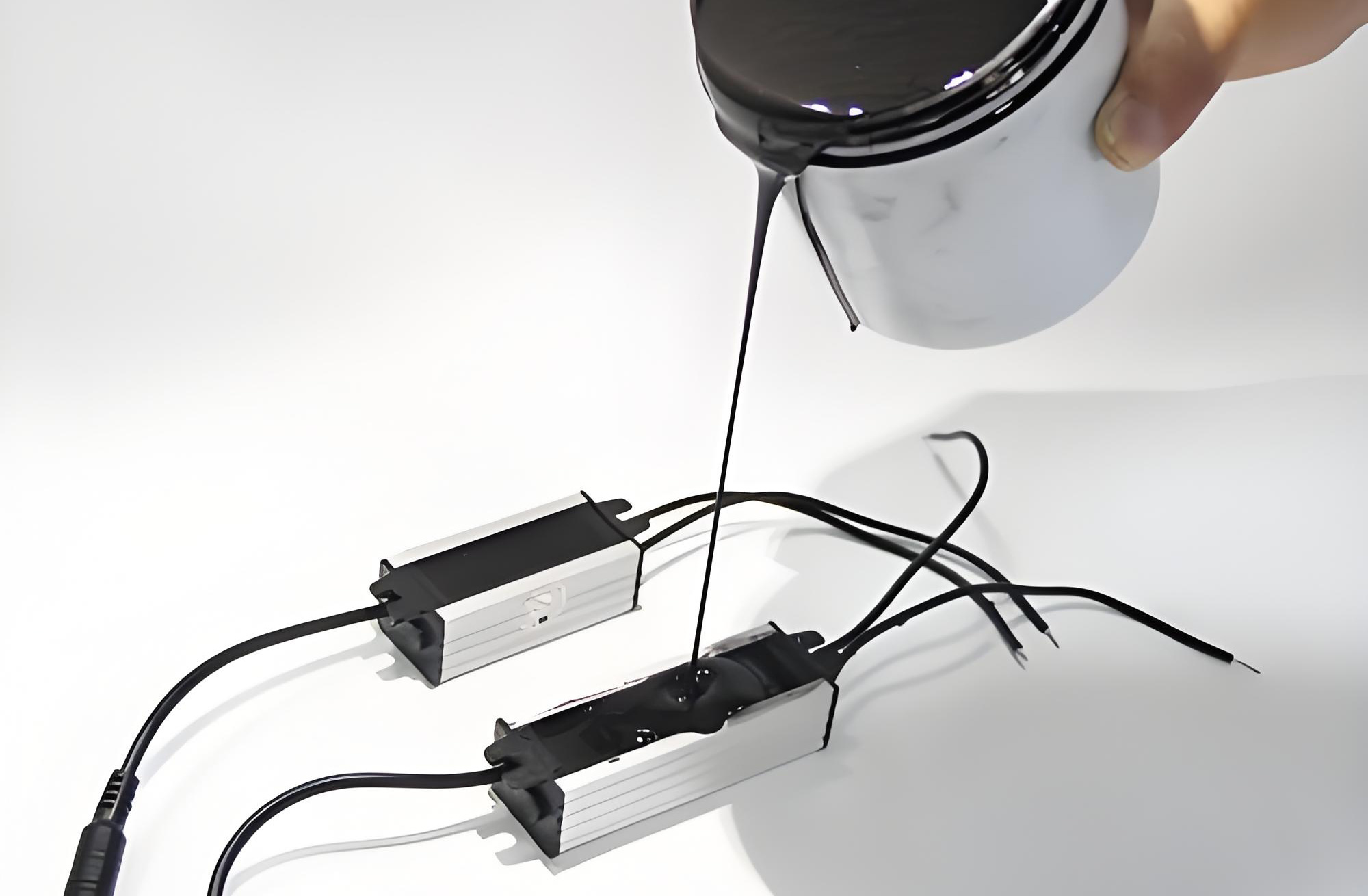
I. Why is potting required for photoelectric sensors?
Sensors measure a variety of parameters—such as temperature, humidity, pressure, and flow—and enable more precise monitoring and control of production processes, making them indispensable in modern manufacturing.
1. High temperatures cause components to deform.
2. Moisture causes short circuits.
3. Vibration causes signal drift.
4. Chemical corrosion of the circuitry
Therefore, encapsulating the photoelectric sensor with a high-reliability potting compound is a critical step for enhancing product performance and extending its service life.
II. Adhesive Recommended for Photoelectric Sensors
HNEP6225 It is a two-component epoxy potting compound with a mixing ratio of A:B = 100:15 , with a black exterior, 0.5 W/m·K , with a temperature resistance range of -45~125 ℃, with low shrinkage during curing and good toughness in the cured product.
· Good electrical performance
· Excellent mechanical properties and adhesion,
· Resistant to high and low temperatures as well as thermal shock.
· Waterproof and moisture-resistant, with excellent chemical corrosion resistance.
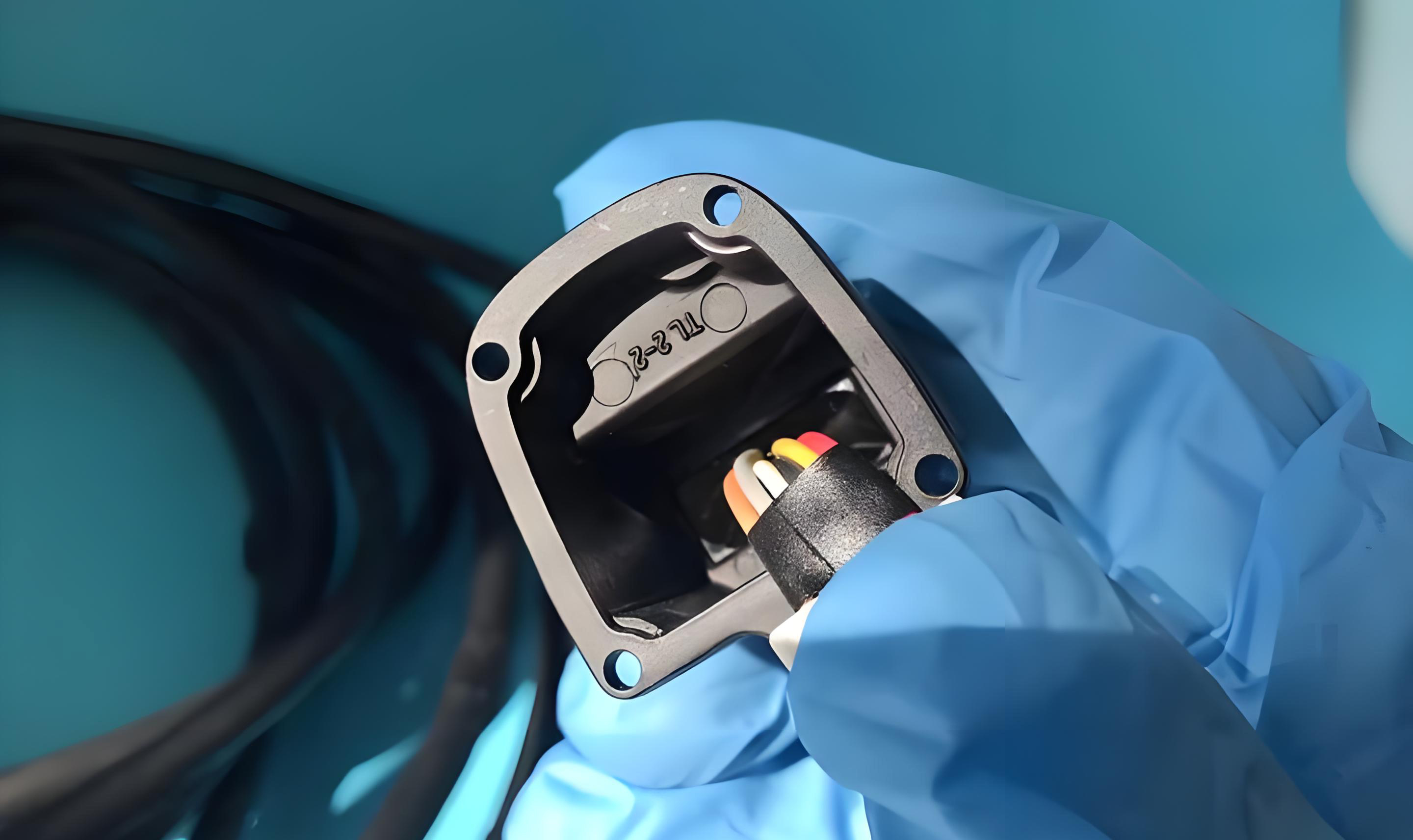
The application of potting compounds in photoelectric sensors is of great significance for enhancing sensor stability, reliability, water- and moisture‑resistance, and service life. HNEP6225 Black epoxy potting compound Thanks to its strong adhesion, excellent resistance to high and low temperatures, superior mechanical properties, and outstanding bonding performance, it has become an ideal choice for sensor potting.
III. HNEP6225 Applications in other sensors
Application |
Product Advantages |
Automotive electronic sensor |
Encapsulation with potting compound for electronic component modules provides moisture resistance, dust protection, and resilience to mechanical impacts. |
Electric control sensors for new energy vehicles |
The potting compound is integrated with the sensor’s internal circuitry to prevent the ingress of dust and contaminants. |
Temperature sensor |
Epoxy potting compounds exhibit excellent high-temperature resistance, superior sealing and protective properties, and excellent compatibility with sensor manufacturing processes. |
For more product information, please refer to the following sources:

° Send an email to sales@hinnel.com Email box ;
° Call the hotline. +86-021-5789 6706 Consultation ;
° Call technical support +86-18121338868 Consultation.
>Recommended Reading

Performance Impact Analysis and Storage Guidelines for Delamination in Electronic Potting Compounds?
Shanghai Hinnel
Jul 21,2026
How can we assist you?