
Why are silicone potting compounds used in lithium batteries? What are the reasons?
With the explosive growth of new‑energy vehicles and energy‑storage systems, the safety and lifespan of lithium batteries have become key concerns. Traditional adhesives tend to age and crack under extreme conditions such as high temperatures and vibration, whereas silicone potting compounds—thanks to their excellent resistance to both high and low temperatures (−50°C to 250°C), superior electrical insulation, and shock‑absorbing properties—have emerged as the material of choice for lithium‑battery encapsulation.
Shanghai Hinnel
Jul 17,2025


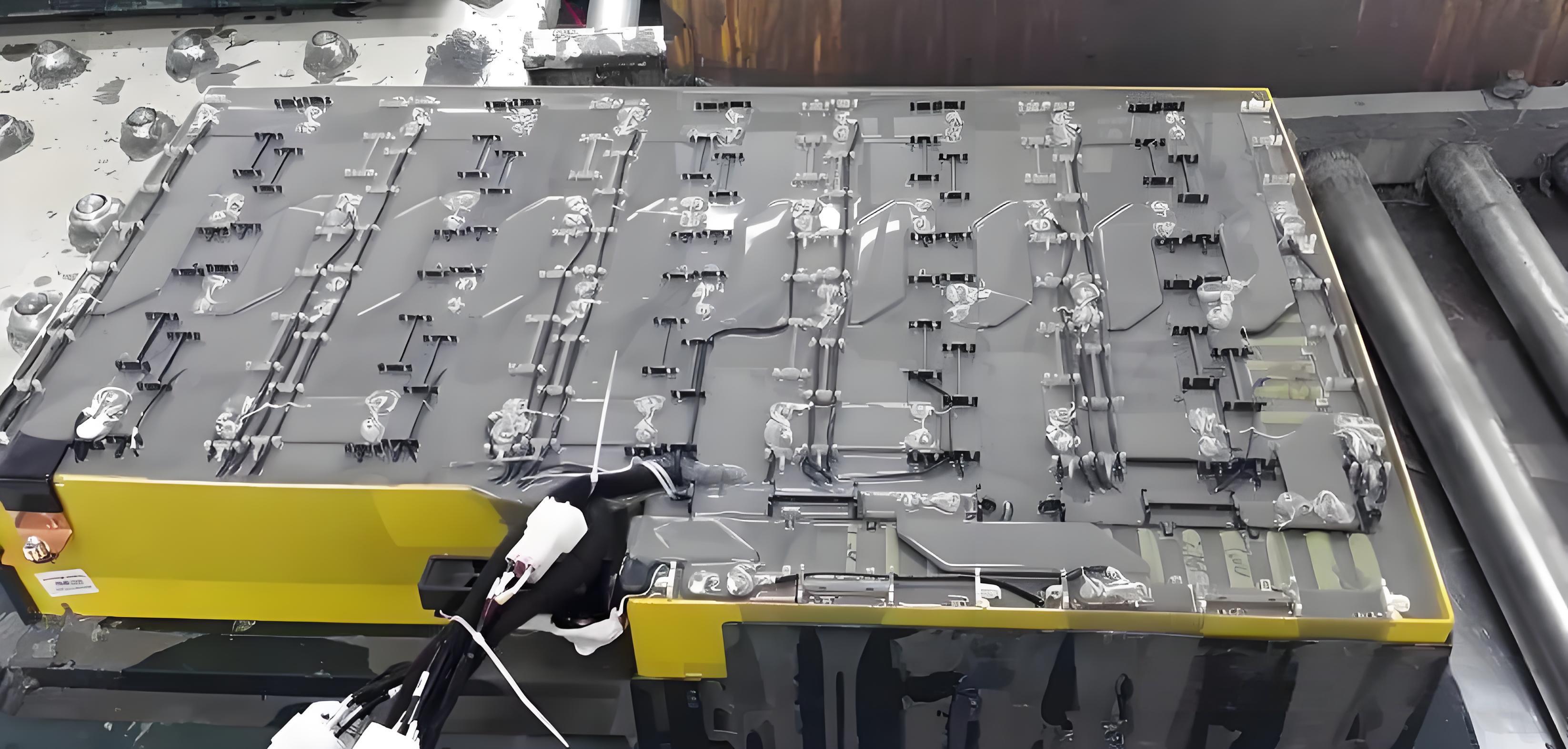
I. The main pain points of lithium batteries are as follows:
High cost : Raw material prices, such as lithium carbonate, are highly volatile, and the production process is complex, resulting in a price far exceeding that of lead-acid batteries and higher initial acquisition costs.
High security risk : Thermal runaway may occur under conditions of overcharging, deep discharging, high temperatures, or physical damage, potentially leading to combustion or explosion; quality issues can exacerbate these risks.
Poor low-temperature performance : When the temperature drops below zero, battery capacity may decrease. 30%~40% , at extremely low temperatures, the equipment may even fail to start properly.
Organosilicone potting compounds can enhance the operational stability of batteries under harsh environmental conditions, improve safety performance, and help extend their service life.
II. Organosilicon potting compound The advantages are as follows:
Thermal Management Optimization — High‑Thermal‑Conductivity Models (such as Hinnel HNSIL8730-1.5 ) The cell temperature difference can be controlled within ± 2 Within this temperature range, the risk of thermal runaway is significantly reduced.
Chemical stability — resists electrolyte corrosion, thereby preventing short circuits caused by battery leakage.
Excellent electrical conductivity — silicone potting compounds ensure reliable electrical connections within the battery, reduce resistance, and enhance both efficiency and service life.
Automation compatibility —— Two-component products (such as HNSIL8730 ) Supports dispensing‑machine line operations, enhancing the production efficiency of power batteries.
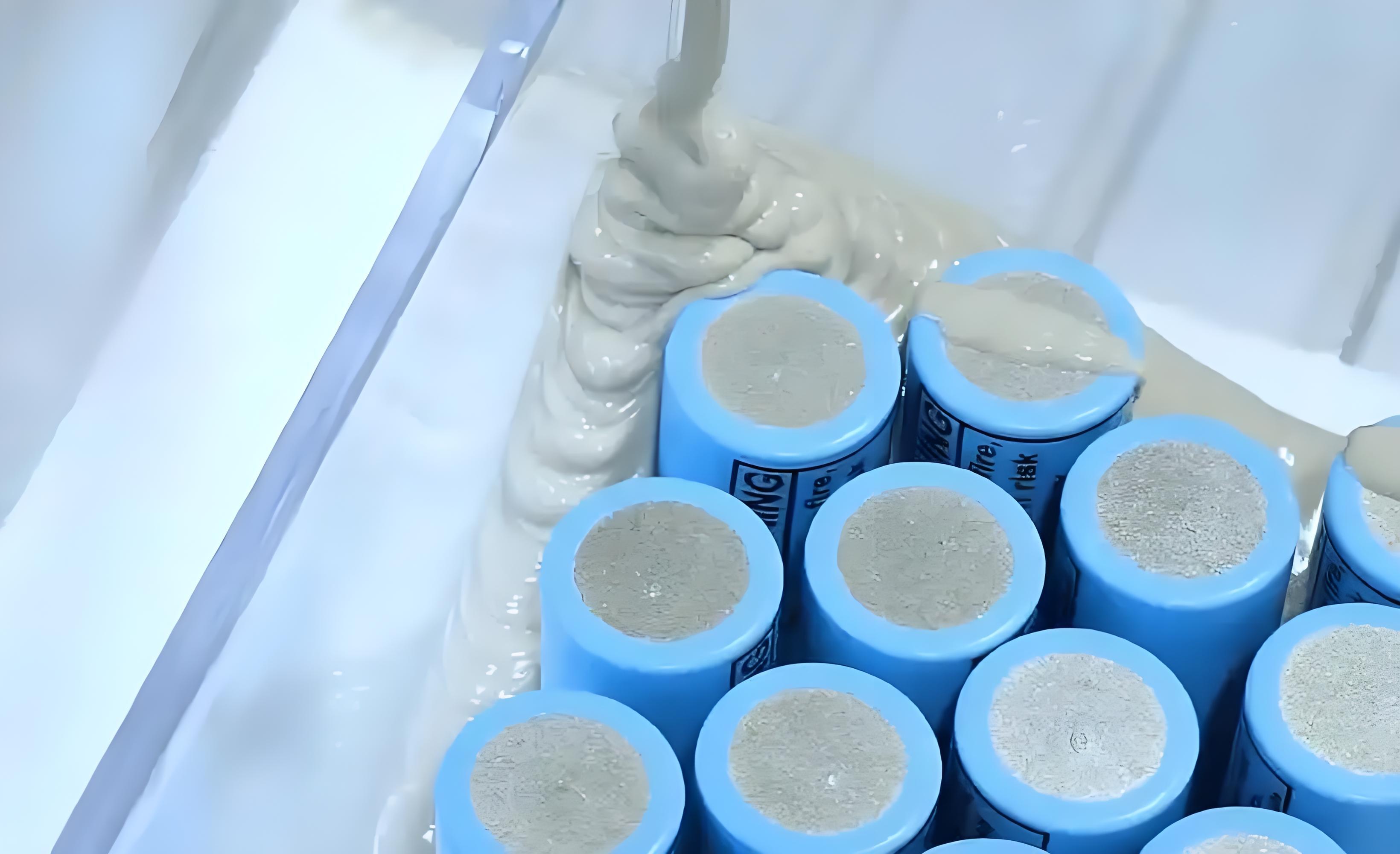
III. Typical Application Scenarios for Silicone Potting Compounds
· Cell module potting: fills the gaps between cells to provide structural fixation. + Integrated heat dissipation
For more product information, please refer to the following sources:

° Send an email to sales@hinnel.com Email box ;
° Call the hotline +86-021-5789 6706 Consultation ;
° Call technical support +86-18121338868 Consultation.
>Recommended Reading

From automotive to industrial manufacturing, how do you choose the right adhesive for sensors?
Shanghai Hinnel
Nov 05,2026
How to choose potting compound for photovoltaic inverters? From operating conditions to materials.
Shanghai Hinnel
Nov 03,2026
Shanghai Hinnel
Oct 27,2026
How can we assist you?
