
How to Select the Appropriate Potting Compound for Hall Current Sensors
Hall current sensors are widely used in the modern electronics industry. To ensure their stable and reliable performance, selecting the appropriate potting compound is crucial. So, how should one choose a potting compound for Hall current sensors? Shanghai Hinnel New Materials Technology Co., Ltd. is here to guide you.
Shanghai Hinnel
Jul 20,2026


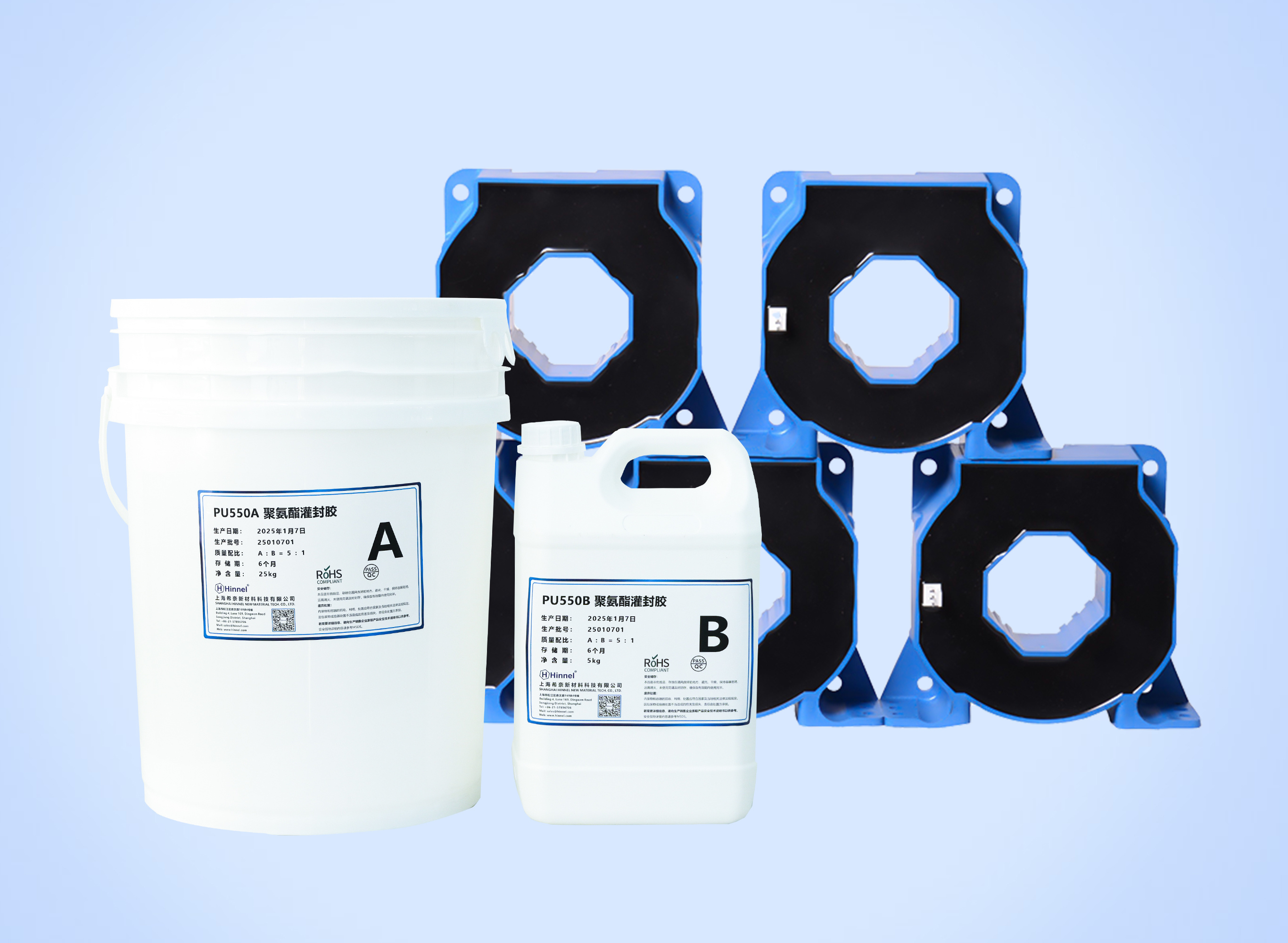
Key factors for selecting potting compound for current sensors:
Bonding strength: Hall-effect current sensors must be securely mounted on the circuit board; therefore, the adhesive selected must exhibit strong bonding strength to ensure that the sensor remains firmly in place and does not loosen or detach during operation.
Corrosion resistance: Hall-effect current sensors may be exposed to corrosive substances; therefore, the adhesive selected must exhibit adequate corrosion resistance to protect the sensor from damage.
High-temperature resistance: Hall-effect current sensors may generate a certain amount of heat during operation; therefore, the adhesive selected must be capable of withstanding elevated temperatures.
Mechanical strength: The potting compound shall possess sufficient mechanical strength to withstand external impacts and vibrations.
Ease of operation: Some adhesives may require complex mixing and curing processes, while others may be easier to handle.
Common potting compounds: recommendations and characteristics:
Polyurethane potting compound
Polyurethane potting compounds exhibit excellent adhesion, electrical insulation, and weather resistance, with their hardness readily adjustable by modifying the raw-material ratios. Moreover, they offer outstanding water resistance, mold resistance, and impact resistance; they are non-corrosive to electrical components and provide strong adhesion to most metals and plastics.
Hinnel PU550A/B is a two-component system. Room-temperature or heat-curable polyurethane sealant, which exhibits excellent processability after mixing, a long working life, and a moderate cure rate. Once cured, it delivers a glossy, smooth surface and boasts outstanding flame retardancy and electrical insulation properties, making it ideal for protecting electronic components operating in humid and vibration‑prone environments.
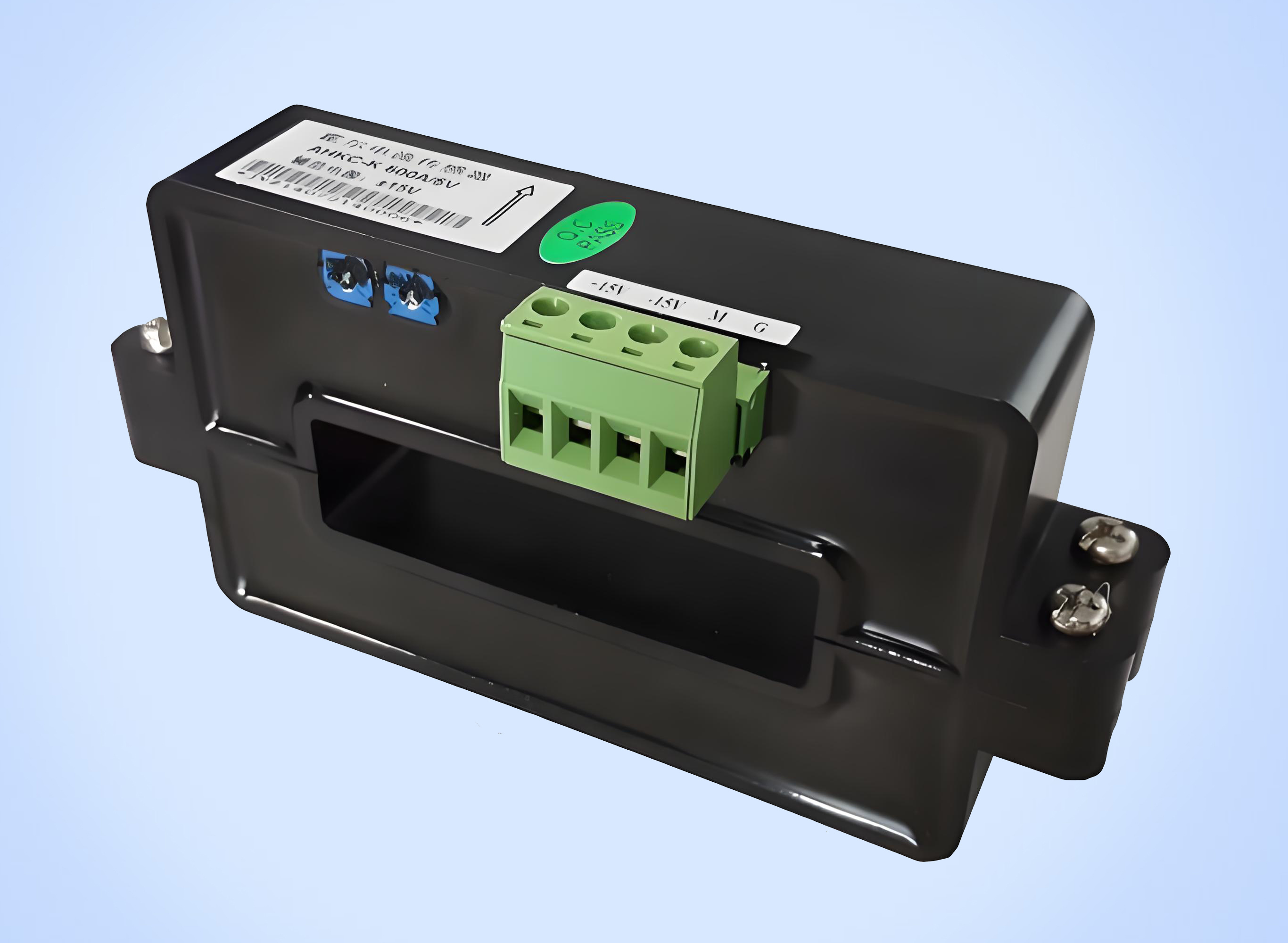
Product Features
· It exhibits low mixed viscosity, excellent fluidity, and superior processability.
· After mixing the two components, AB exhibits a long working life, excellent self-degassing performance, moderate curing speed, and low heat of reaction.
· The cured product exhibits excellent electrical properties as well as water- and moisture-resistant characteristics.
· Excellent low-temperature performance, outstanding flame retardancy, and thermal conductivity.
· The cured product exhibits excellent gloss and demonstrates strong adhesion to the housing.
The above is Hinnel New Materials’ introduction to “Key Considerations for Selecting Potting Compound for Hall Current Sensors and the Advantages of Such Compounds.” For more information, please contact Hinnel New Materials via the website, phone, email, or other channels to receive free samples and technical support!
Related articles: Common Issues and Solutions for Polyurethane Potting Adhesives
>Recommended Reading

Shanghai Hinnel
Nov 12,2026
From automotive to industrial manufacturing, how do you choose the right adhesive for sensors?
Shanghai Hinnel
Nov 05,2026
How to choose potting compound for photovoltaic inverters? From operating conditions to materials.
Shanghai Hinnel
Nov 03,2026
How can we assist you?