
Adhesive Solutions for Automotive Electronic Modules
Automotive electronic modules are a core component of vehicle intelligence and electrification, and their components and adhesive‑application solutions must meet stringent requirements for high reliability, environmental durability—such as resistance to high temperatures, vibration, and chemical corrosion—and electromagnetic shielding. The following outlines the major components and recommended adhesive‑application solutions:
Automotive regulator: 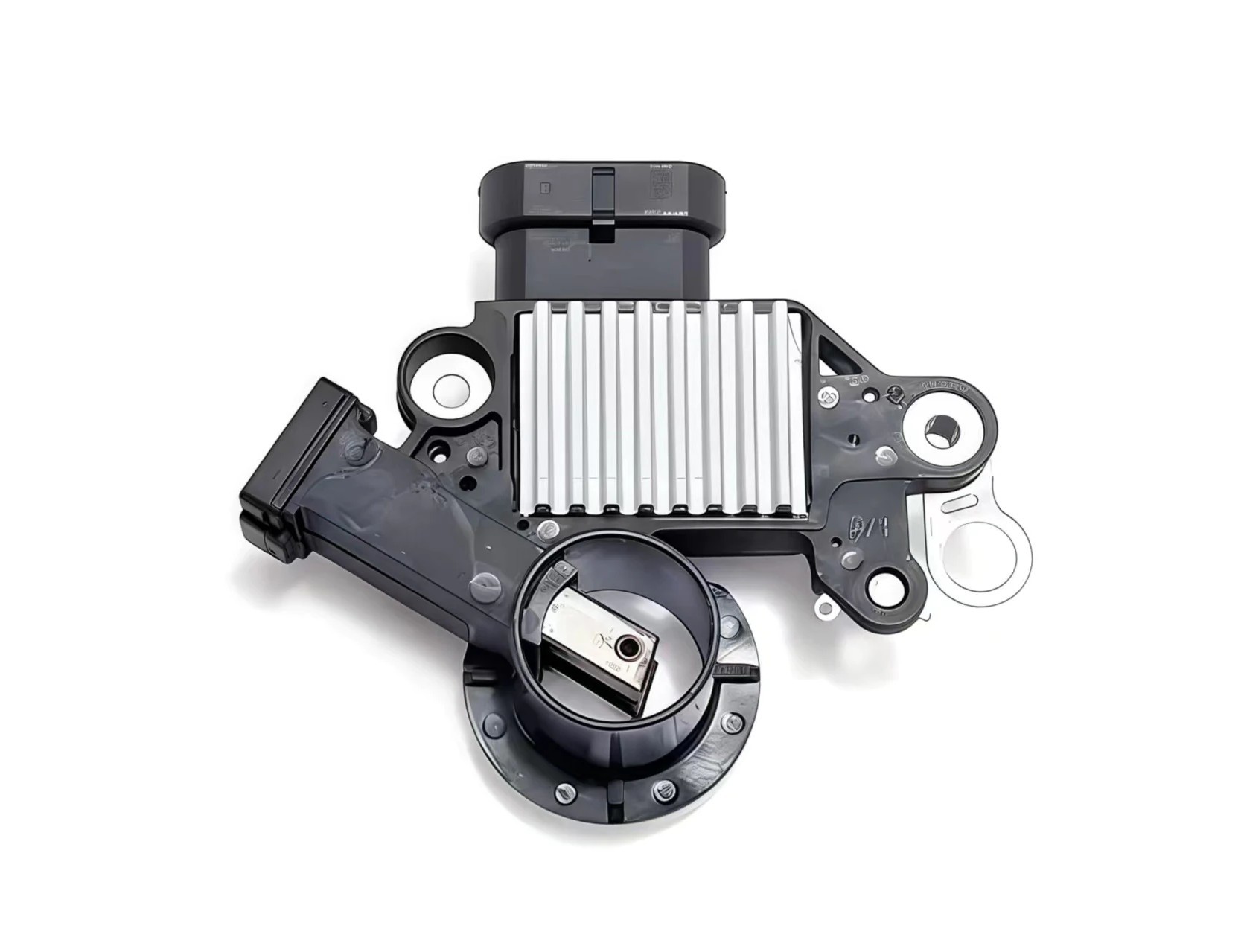
An automotive voltage regulator is a device used in the automotive industry whose primary function is to regulate and control the vehicle’s electrical system, ensuring that all electrical components operate properly. It consists of a battery and an alternator: the alternator charges the battery, keeping it fully charged at all times, while the battery and alternator supply power to the vehicle’s electrical systems.
The automotive voltage regulator is an essential component of the vehicle’s electrical system, primarily used to stabilize voltage and protect the circuitry.
Recommended adhesives for automotive electronic regulators:
| Application scenarios | Adhesive requirements | Recommended Products | Curing conditions | Advantage |
| Regulator | PCB chip potting protection | HNSIL 8730 Silicone Potting Compound | Room temperature/Heated | Low viscosity, high strength |
| Regulator | PCB chip potting protection | HNSIL 700 Single-Component Silicone Sealant | Room temperature | Single-component, low-viscosity, fast surface drying. |
| Regulator | Fin and housing bonding | HNSIL 717 Single-Component Silicone Thermal Conductive Adhesive | Room temperature | High thermal conductivity and excellent adhesion |
| Regulator | Fin and housing bonding | HNSIL 818 Single-Component Silicone Thermal Conductive Adhesive | Heating | High temperature resistance, rapid curing upon heating |
Automotive ignition module: 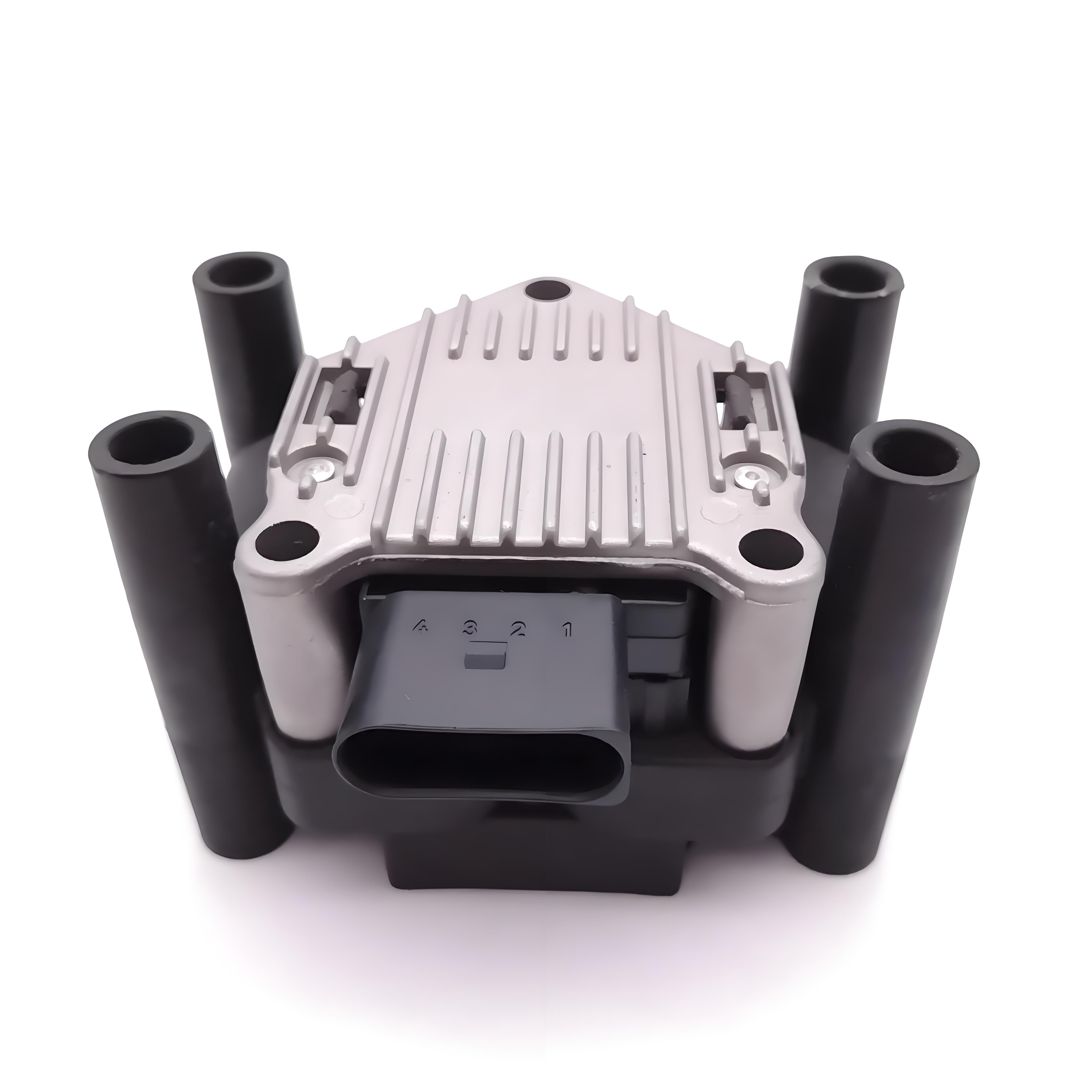
The automotive ignition module is a critical component of the engine management system, responsible for controlling the timing and energy of spark plug ignition. Its design and adhesive solutions must meet requirements for electrical insulation, thermal conductivity, vibration resistance, and sealing. Shanghai Hinnel offers high-temperature-resistant, thermally shock‑resistant, fatigue‑resistant epoxy resins and silicone‑based adhesives.
Recommended adhesive for automotive ignition modules:
| Application scenarios | Adhesive requirements | Recommended Products | Curing conditions | Advantage |
| Enclosure sealing | Protects internal circuits, offering dust‑proof, moisture‑proof, and oil‑resistant performance; used for sealing housing joints. | HNEP6060 | Heating | High strength, high-temperature resistance |
| Enclosure sealing | Suitable for sealing applications requiring mild seismic resistance. | HNSIL 736 | Room temperature | Good elasticity and shock resistance |
| circuit board | Protects the circuit board, offering moisture and corrosion resistance. | HNEP 6225 | Room temperature/Heated | High-temperature resistant, resistant to thermal cycling, and具有良好韧性 |
| circuit board | Protects the circuit board, offering moisture and corrosion resistance. | HNSIL 8730 | Room temperature/Heated | Silicone, elastic cushioning, high-temperature resistant |
| circuit board | Used for bonding power components to heat sinks. | HNSIL 717 | Room temperature | High thermal conductivity, high adhesive strength |
| Ignition coil | High strength, high insulation, flame retardant, high-temperature resistant, and resistant to thermal shock and thermal cycling. | HNEP6225-5 | Room temperature/Heated | High-temperature resistant and corrosion-resistant |
| Ignition coil | High strength, high insulation, flame retardant, high-temperature resistant, and resistant to thermal shock and thermal cycling. | HNEP 6110 | Heating | Anhydride system, high-temperature resistant |
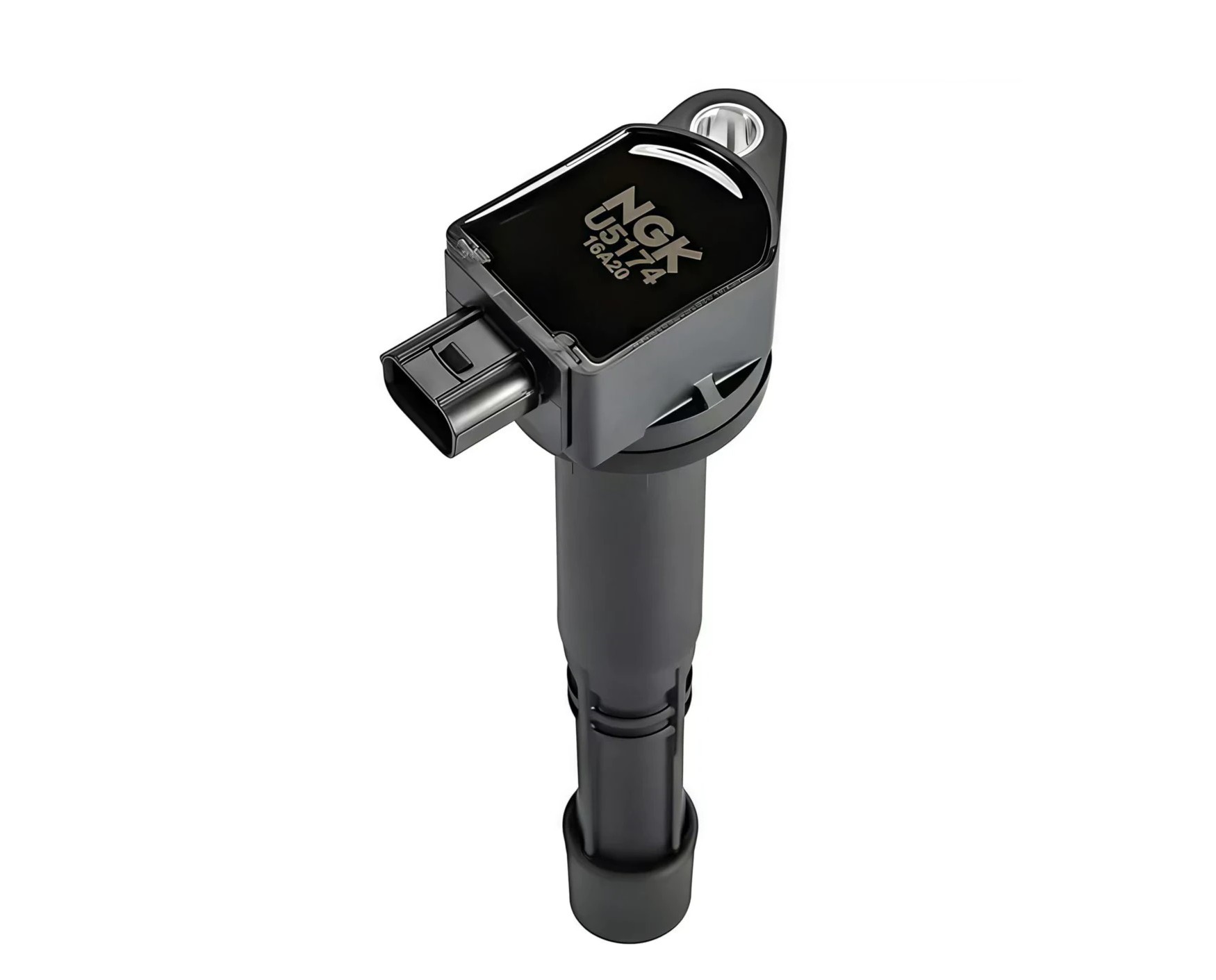
Encapsulation of automotive ignition coils:
Function: The primary purpose of potting the ignition coil is to secure the coil’s structure with adhesive, enhance its insulation performance, and prevent high-voltage breakdown. It also provides moisture resistance, dust protection, and corrosion resistance, thereby ensuring stable operation and safety.
Epoxy potting compound: High strength, high insulation, flame retardant, high-temperature resistant, and resistant to thermal shock and thermal cycling.
Automotive generator rotary rectifier bridge module: 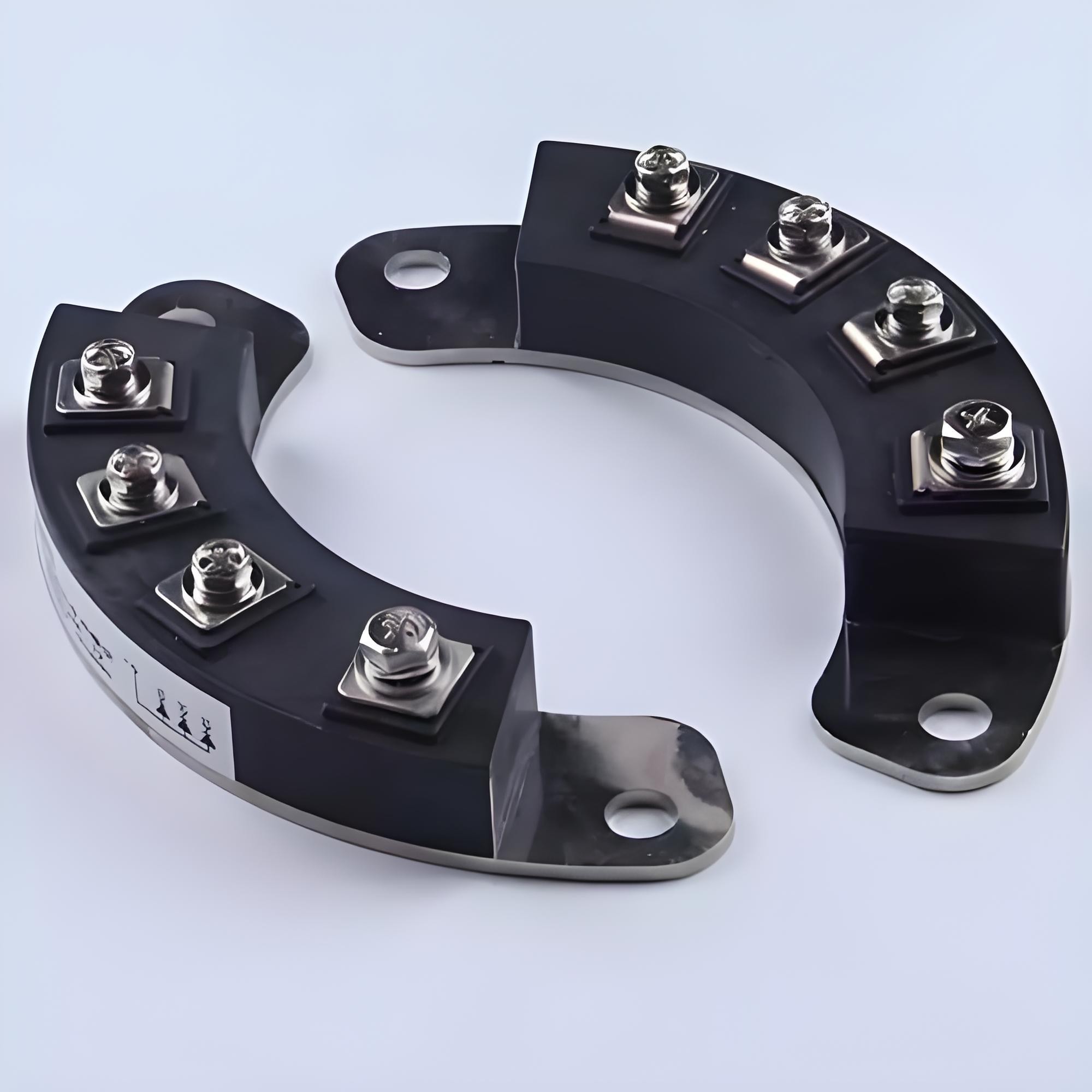
The rotating rectifier bridge module in an automotive alternator is a core component of the AC generator—typically a brushless excitation type—and its function and operating principle are as follows:
Rectification function
It converts the alternating current (AC) generated by the excitation winding into direct current (DC), supplying power to the rotor’s excitation winding and thereby establishing the magnetic field required by the generator.
Excitation Current Control
By means of diode or thyristor rectification, unidirectional current flow is ensured, the rotor magnetic field is kept stable, and the generator’s output voltage is maintained constant.
The key to the brushless structure
In brushless generators, the rectifier bridge is mounted on the rotor and rotates with the shaft, eliminating the conventional carbon brush and slip-ring assembly, thereby reducing wear and the risk of sparking and enhancing reliability.
Protection function
Some modules integrate surge-suppression components, such as varistors, to prevent voltage spikes from damaging the excitation system.
Recommended adhesives:
Epoxy potting compound: The rotary rectifier bridge module must withstand high temperatures, vibration, and centrifugal forces. High strength, high-temperature resistance, chemical corrosion resistance, electrical insulation, and resistance to thermal shock.
We recommend the Shanghai Hinnel HNEP6225-6 epoxy potting compound, which can operate continuously in temperatures ranging from -40 to 150°C, with excellent insulation and resistance to thermal shock.
Automotive door handle module: 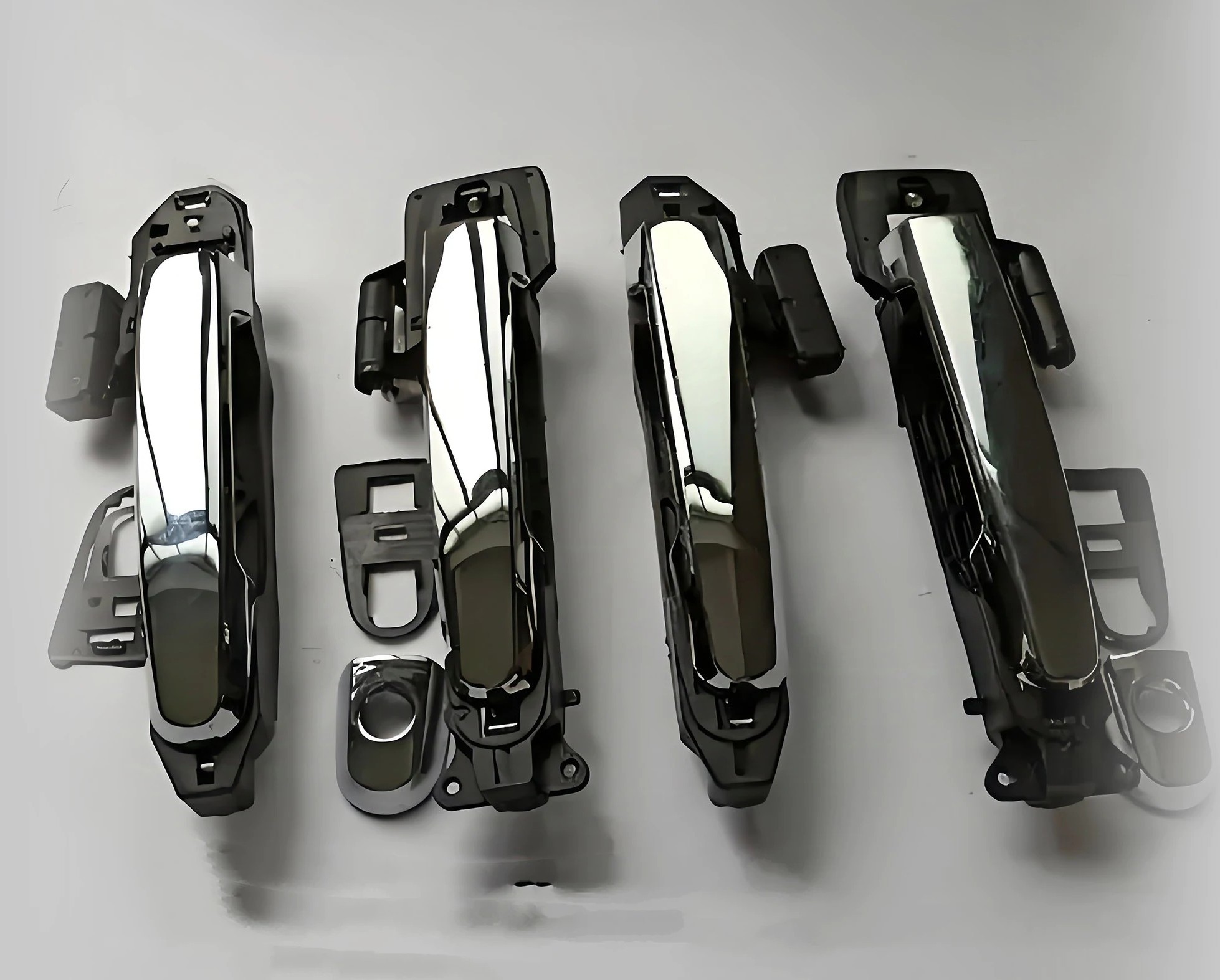
The electronic module for the car door handle is one of the core components of modern vehicle smart entry systems—such as keyless entry and touch‑activated door unlocking—and typically integrates the following functions:
Keyless entry: Automatically unlocks the vehicle by communicating with the key via radio-frequency signals (RFID/BLE).
Touch Sensing: Tap a designated area on the handle to lock or unlock the vehicle.
Anti-pinch and safety protection: The concealed handle automatically stops when it encounters resistance.
Waterproof and dustproof: The module must meet an IP67 protection rating or higher.
Anti-theft feature: Encrypted communication prevents signal hijacking.
Recommended adhesives:
Shanghai Hinnel HNEP512 polyurethane potting compound features low mixed viscosity, fast curing speed, high cured‑gel strength, flame retardancy, and resistance to the double 85 test and thermal cycling.
Automotive ECU module:
The automotive ECU (Electronic Control Unit) is the core module of a vehicle’s electronic system, responsible for controlling, monitoring, and optimizing the operation of various subsystems. It is an embedded system that collects data via sensors, executes algorithmic logic, and drives actuators to achieve vehicle control. Modern vehicles may be equipped with dozens of ECUs, forming a distributed network—such as a CAN bus.
Adhesive application scheme and technical requirements for the ECU:
The ECU must operate reliably under harsh conditions such as high temperature, vibration, and humidity; adhesive applications are therefore critical. Shanghai Hinnel offers epoxy, polyurethane, and silicone adhesive solutions.
| Application scenarios | Adhesive requirements | Function | Recommended Products | Product model | Advantage |
| ECU control module | Potting Protection |
Waterproof, shockproof, heat-dissipating, and insulating | Epoxy resin |
HNEP6225 | High hardness and chemical resistance (suitable for engine‑compartment ECUs) |
| ECU control module | Potting Protection | Waterproof, shockproof, heat-dissipating, and insulating | Polyurethane | HNPU 512 | Excellent flexibility and impact resistance (suitable for chassis ECUs) |
| ECU control module | Potting Protection | Waterproof, shockproof, heat-dissipating, and insulating | Silicone | HNSIL 8730 | High-temperature resistant (-40°C to 200°C), with excellent elasticity (suitable for high-heat-generating modules). |
| ECU control module | Potting Protection | Waterproof, shockproof, heat-dissipating, and insulating | Silicone gel | HNGel 5271 | High-temperature resistant, soft with low stress, self-healing |
| ECU control module | Sealing Protection (Sealing) | Waterproof, shockproof, heat-dissipating, and insulating | Silicone | HNSIL 736 | Used for housing sealing, with excellent adhesion, and resistant to high temperatures and corrosion. |
New Energy Vehicle Vacuum DC Contactor:
The vacuum DC contactor for new-energy vehicles is a critical component of the high-voltage electrical system, responsible for safely connecting and disconnecting the battery pack from the drive system. Its reliability and durability directly impact the vehicle’s overall safety and performance.
The trend toward higher-voltage new-energy vehicles (with the widespread adoption of 800V platforms) places even greater demands on contactor reliability, requiring adhesives to pass stringent tests such as ISO 16750 (vibration) and ISO 8820 (sealing). Selecting the right adhesive can extend product life by more than 30% and is a critical component in ensuring high-voltage safety. Shanghai Hinnel offers high-performance epoxy resin potting adhesive solutions.
For detailed information and adhesive recommendations, please refer to the Solution—Electric Vehicles—Related Applications—Adhesive Solutions for Vacuum DC Contactors.
New Energy Vehicle Film Capacitors:
New‑energy vehicle film capacitors are manufactured by winding or stacking metal foil or metallized film as electrodes and organic plastic film as the dielectric. Their key characteristics include non‑polarity, low high‑frequency loss, stable temperature performance, high capacitance accuracy, and long service life, making them widely used in electric drive systems, on‑board chargers (OBC), charging stations, and components such as DC/DC and AC/DC converters in new‑energy vehicles.
Film capacitors are one of the core electronic components in new energy vehicles (EVs/HEVs). When selecting adhesives, it is essential to ensure they meet AEC‑Q200 certification and undergo HAST (High‑Temperature High‑Humidity) testing and mechanical shock verification under simulated real‑world operating conditions. Shanghai Hinnel provides high-performance epoxy and polyurethane potting compound solutions.
For detailed information and adhesive recommendations, please refer to the Solutions – Electric Vehicles – Related Applications – Adhesive Solutions for Film Capacitors.
New Energy Vehicle Electric Water Pump:
Electric water pumps are primarily used for circulating cooling in critical components of new-energy vehicles, such as the electric drive system, power battery, and thermal management module. By intelligently regulating coolant flow rate and temperature, they enhance energy efficiency and extend equipment lifespan.
Compared with conventional mechanical water pumps, electronic water pumps offer faster response, lower energy consumption, and higher reliability. They enable precise temperature control—maintaining a temperature difference within ±1°C—and, under extreme operating conditions such as driving through water, can boost pressure to protect the cooling system.
Shanghai Hinnel provides high-performance polyurethane and silicone potting compound solutions.
We are here to assist you at any time.
Whatever adhesive challenge you face, we are ready to offer our insights, expertise, and solutions to help you move forward.
How can we assist you?



