
Adhesive Solutions for Water Treatment Membrane Modules
Overview of the Water Treatment Membrane Industry 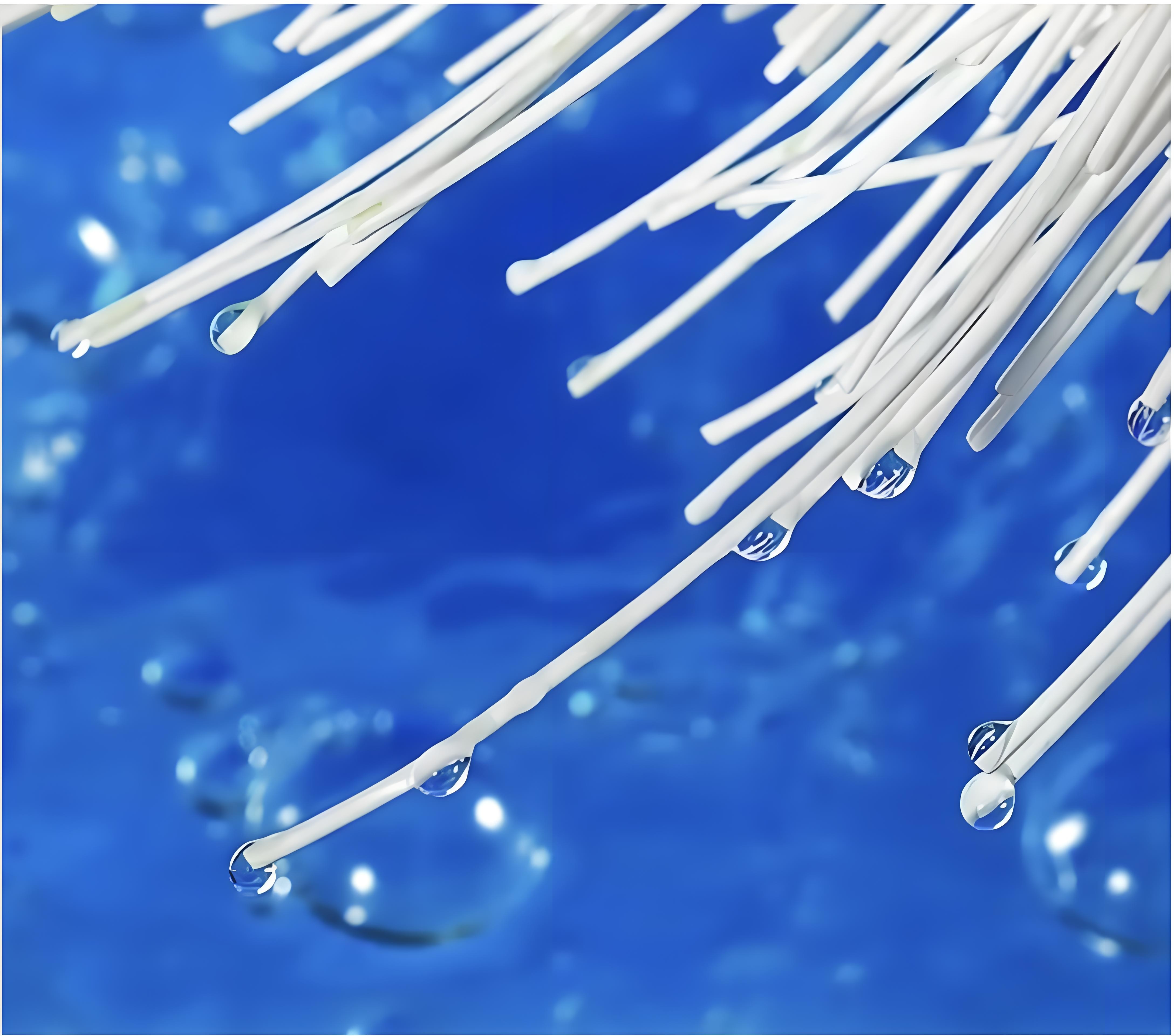
Water treatment membranes are materials that exhibit selective separation capabilities. The process of separating, purifying, and concentrating various components in wastewater by leveraging the selective permeability of these membranes is known as membrane separation. It differs from conventional…
The key difference lies in the fact that water‑treatment membranes can achieve separation at the molecular level, and this process is physical—without phase changes or the addition of chemical additives. The pore sizes of water‑treatment membranes are typically on the micrometer scale; depending on their pore size (or molecular weight cut‑off), they can be classified as microfiltration membranes, ultrafiltration membranes, nanofiltration membranes, and reverse osmosis membranes. Based on the material, they can also be divided into inorganic and organic membranes. Inorganic membranes currently exist mainly at the microfiltration level, primarily including ceramic and metal membranes. Organic membranes are made from polymeric materials such as cellulose acetate, aromatic polyamides, polyethersulfone, and fluoropolymers.
As a cutting-edge water‑treatment technology, membrane filtration offers numerous advantages, including low cost, reduced energy consumption, stable effluent quality, and straightforward operation. In recent years, the Chinese membrane‑based water‑treatment market has exhibited a steady growth trend. On the one hand, rising urbanization and industrialization have led to increasing domestic and industrial water demand, driving greater need for wastewater treatment and reclaimed‑water production, thereby boosting demand for water‑treatment membranes. On the other hand, the number and scale of seawater desalination projects continue to expand, further fueling demand in the membrane‑based water‑treatment sector.
Related listed companies: Jinmo Technology (300334), Wotan Technology (000920), Sanda Membrane (688101), Jiugu High-Tech (300631), Biyuan (300070), Weisai Bo (688718), Huazi Technology (300490), Fumiao Technology (688350), Jingyuan Technology (836674), Haitian Shares (603759), and others.
Related enterprises : Beijing Biwa Source Membrane Technology Co., Ltd., Beijing Shidai Wotun Technology Co., Ltd., Shenzhen Lisheng Water Purification Technology Co., Ltd., Beijing Saino Membrane Technology Co., Ltd., and others.
Water is the source of life and plays a crucial role in sustaining it; enhancing the sustainable use of water resources is of great significance for protecting the ecological environment. Today, with economic and social development and the accelerated pace of urbanization, large volumes of inadequately treated industrial and agricultural wastewater, as well as domestic sewage, are discharged directly into rivers and streams, far exceeding the self‑purification capacity of these water bodies. This leads to declining dissolved oxygen levels, eutrophication, simplification of aquatic biological communities, and the emergence of black, malodorous water. Water pollution seriously undermines the sustainable coexistence of humans and nature, threatening both ecosystems and human health. Against this backdrop, advancing the resource‑based utilization of wastewater is essential for alleviating water scarcity and improving water quality and aquatic ecosystems.
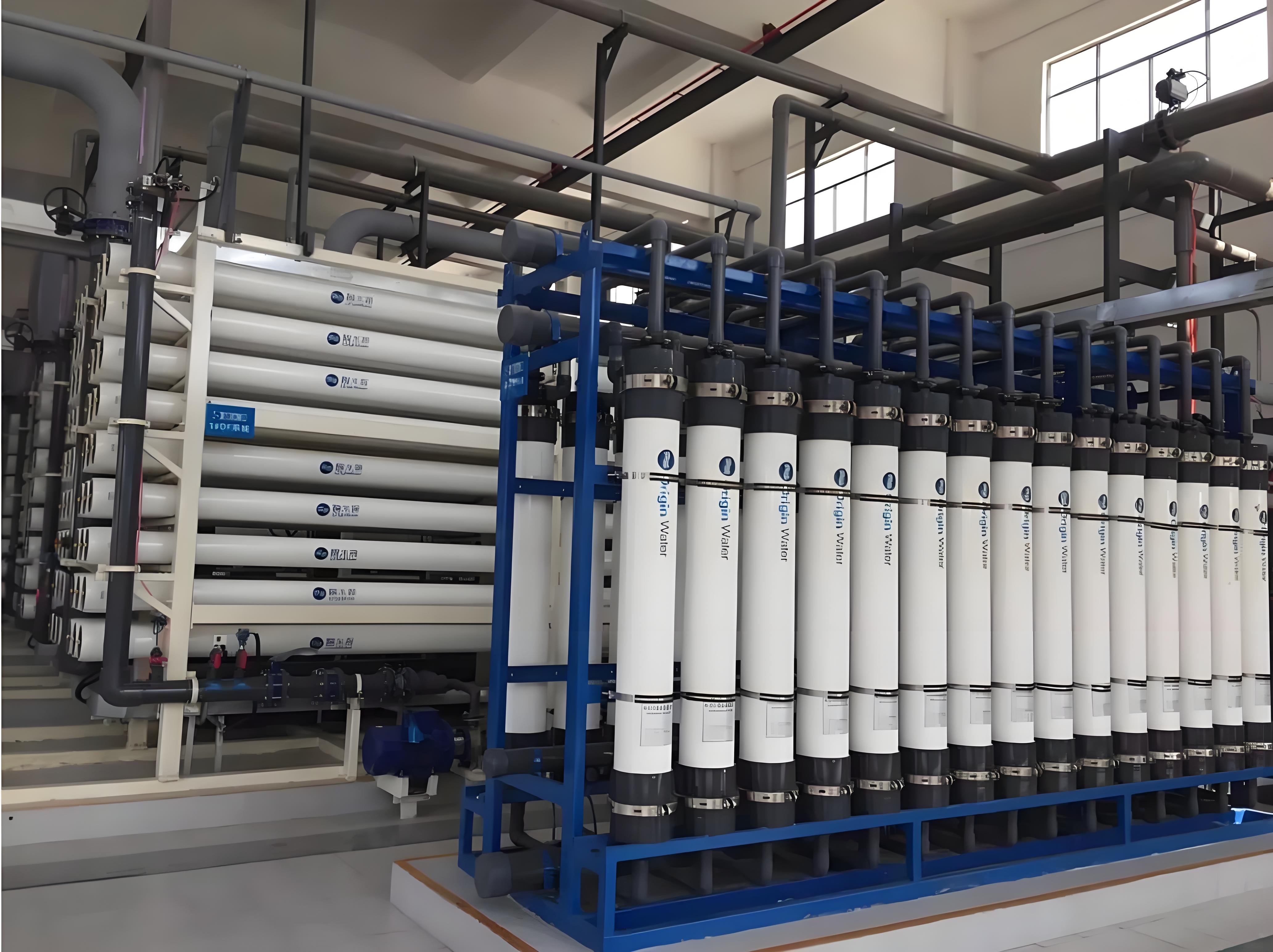 Classification and Introduction of Water Treatment Membrane Modules
Classification by Membrane Material
Organic polymer membrane
Polyvinylidene fluoride (PVDF) : Excellent chemical resistance, suitable for reverse osmosis (RO) and ultrafiltration (UF).
Polysulfone (PS) / Polyethersulfone (PES) : High mechanical strength, suitable for microfiltration (MF) and ultrafiltration.
Cellulose acetate (CA) : It exhibits good hydrophilicity but is readily biodegradable, making it suitable for low-pressure reverse osmosis.
Inorganic membrane
Ceramic membrane (Such as alumina and zirconia): high-temperature resistant and resistant to acids and alkalis, suitable for harsh environments.
Metal film : Used for gas separation or specialized filtration.
Classification by separation mechanism
Microfiltration (MF) : Pore size 0.1–10 μm, removes suspended solids and bacteria.
Ultrafiltration (UF) : Pore size 0.01–0.1 μm, used for separating macromolecular organic compounds and viruses.
Nanofiltration (NF) : Molecular weight cut-off of 100–1000 Da, used for water softening and decolorization.
Reverse Osmosis (RO) : Removal of ions and small molecules, used for seawater desalination and ultrapure water production.
Electrodialysis (ED) : Separation of charged ions via an ion-exchange membrane.
Classified by component structure
Flat membrane : Easy to clean, suitable for high-solids-content liquids.
Roll-type membrane Compact design, widely used in RO/NF.
Hollow fiber membrane : High packing density, used in UF/MF (e.g., MBR processes).
Tubular membrane : Highly resistant to contamination, suitable for high-viscosity or particulate-containing fluids.
Adhesive Solutions for Membrane Modules 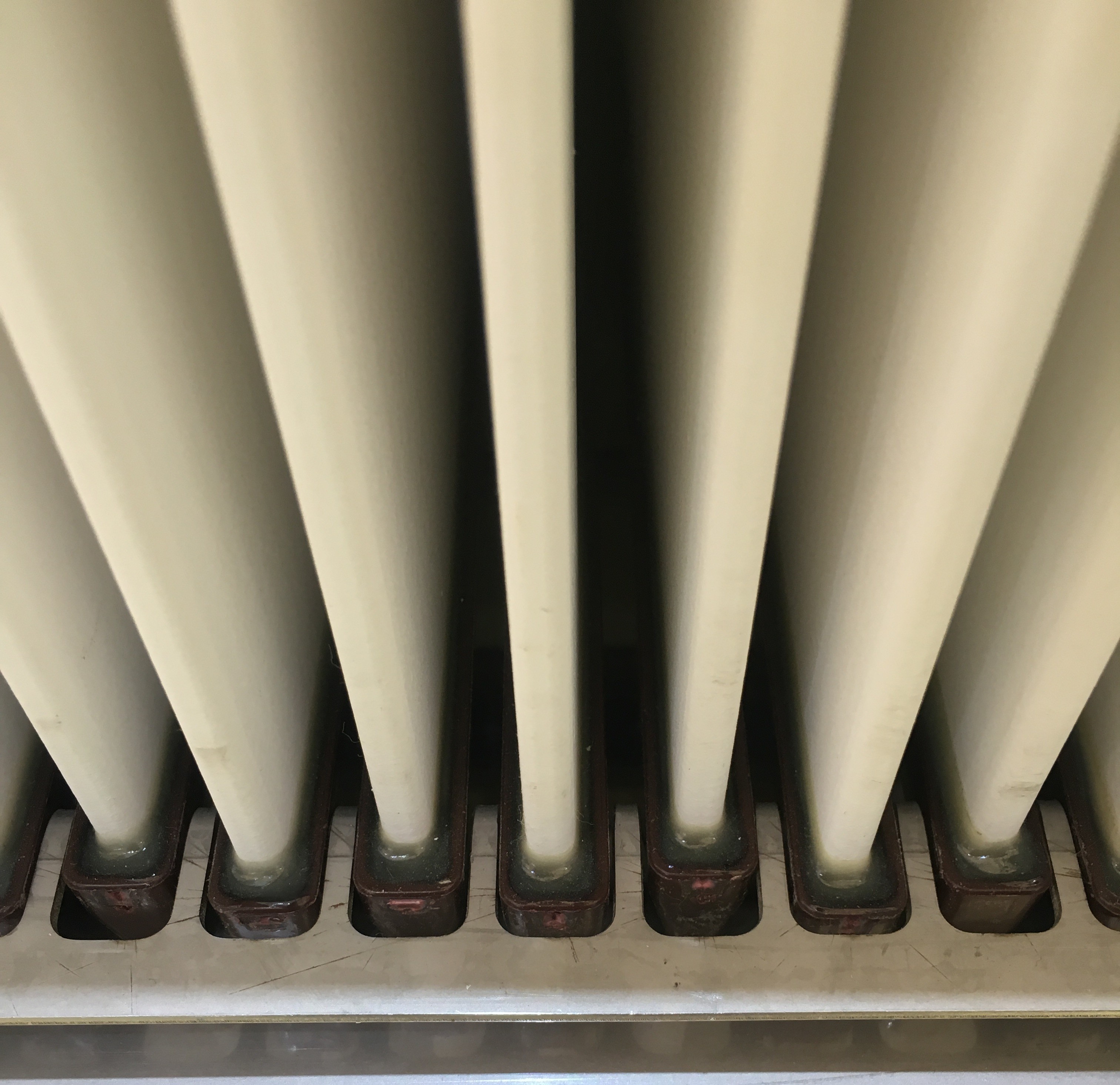
Bonding requirements
Sealing between the membrane element and the housing (e.g., in spiral-wound membrane modules).
End sealing of the hollow fiber membrane bundle (to prevent short-circuiting).
Module assembly of ceramic/metal films (high-temperature and high-pressure resistant).
Common Types of Adhesives
Epoxy resin : High strength and chemical resistance, suitable for hollow-fiber membranes, RO membranes, flat-sheet ceramic membranes, and more.
Polyurethane (PU) : Excellent flexibility, used for end seals of hollow fiber membranes (e.g., UF/MF modules).
Organosilicone gel : High-temperature resistant, highly elastic, does not string, water-resistant, and soft.
Key Performance Requirements
Water resistance : Does not peel off or swell even after prolonged immersion.
Chemical stability : Resistant to acids, alkalis, and oxidizing agents (such as sodium hypochlorite cleaning agents).
Mechanical strength : Withstand operating pressure (e.g., RO membranes must withstand 6–8 MPa).
Environmental friendliness : Prevents precipitate contamination of water quality (compliant with FDA or NSF standards).
Curtain-type membrane – adhesive solution 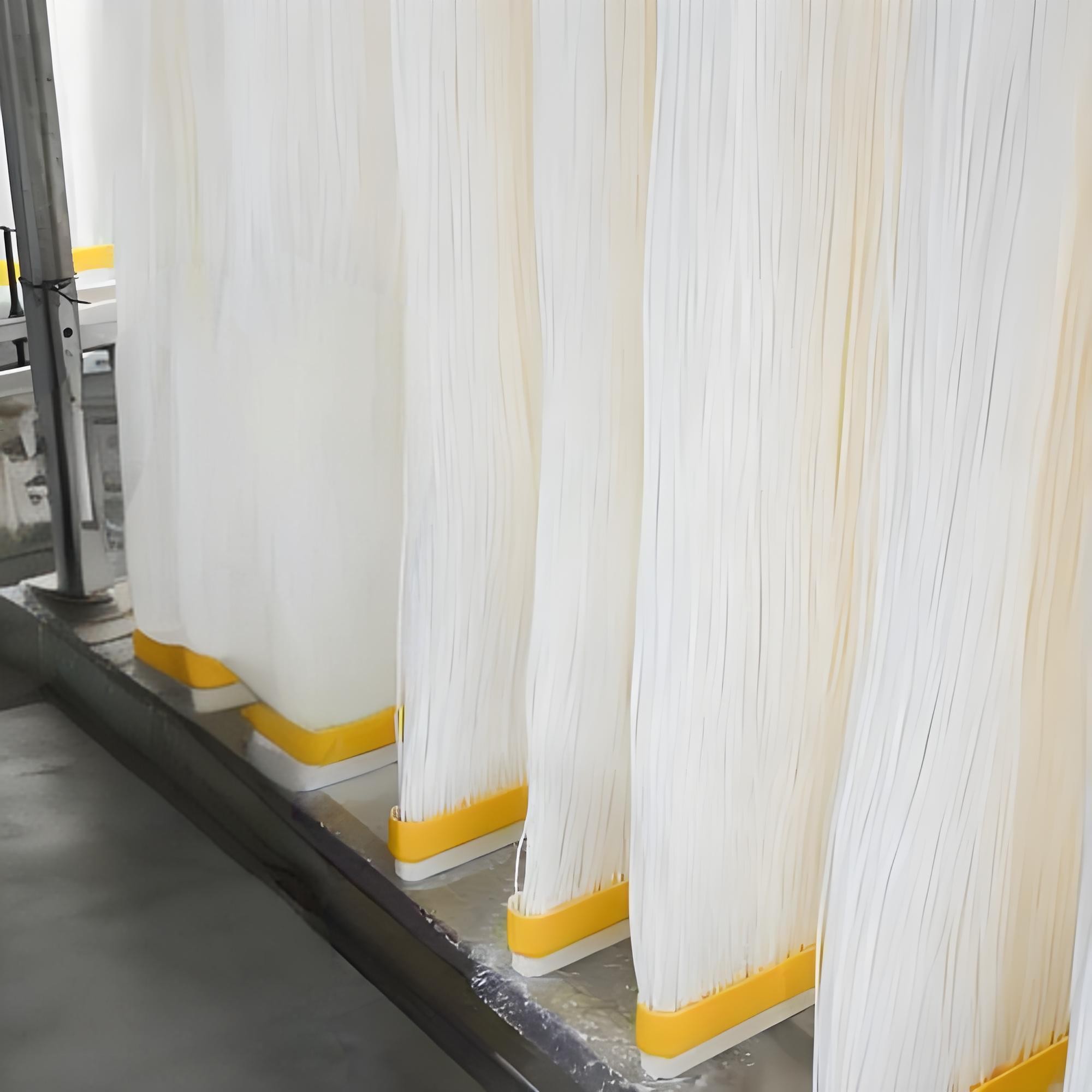
The selection of adhesives for curtain‑type membrane modules must take into account multiple factors, including sealing performance, bonding strength, and efficiency. For curtain‑type membrane modules, Shanghai Hinnel offers a systematic solution combining epoxy resins and polyurethanes, with high‑hardness epoxy resins and low‑hardness polyurethanes enabling a double‑layer encapsulation process for the membranes.
Recommended adhesives: HN6205 epoxy potting compound is an environmentally friendly, two-component, room-temperature-curing epoxy adhesive. After mixing the A and B components, it exhibits low viscosity and excellent processability, making it ideal for encapsulating hollow fiber membranes. The product features no filament formation, low shrinkage, good toughness, strong adhesion to membrane fibers, and a relatively fast curing rate, making it well suited for encapsulating PVDF membranes.
Quality ratio A:B = 100:45; mixed viscosity 1,500–2,000 mPa·s; operating temperature −20 to 70°C. (For detailed specifications, please refer to the TDS.)
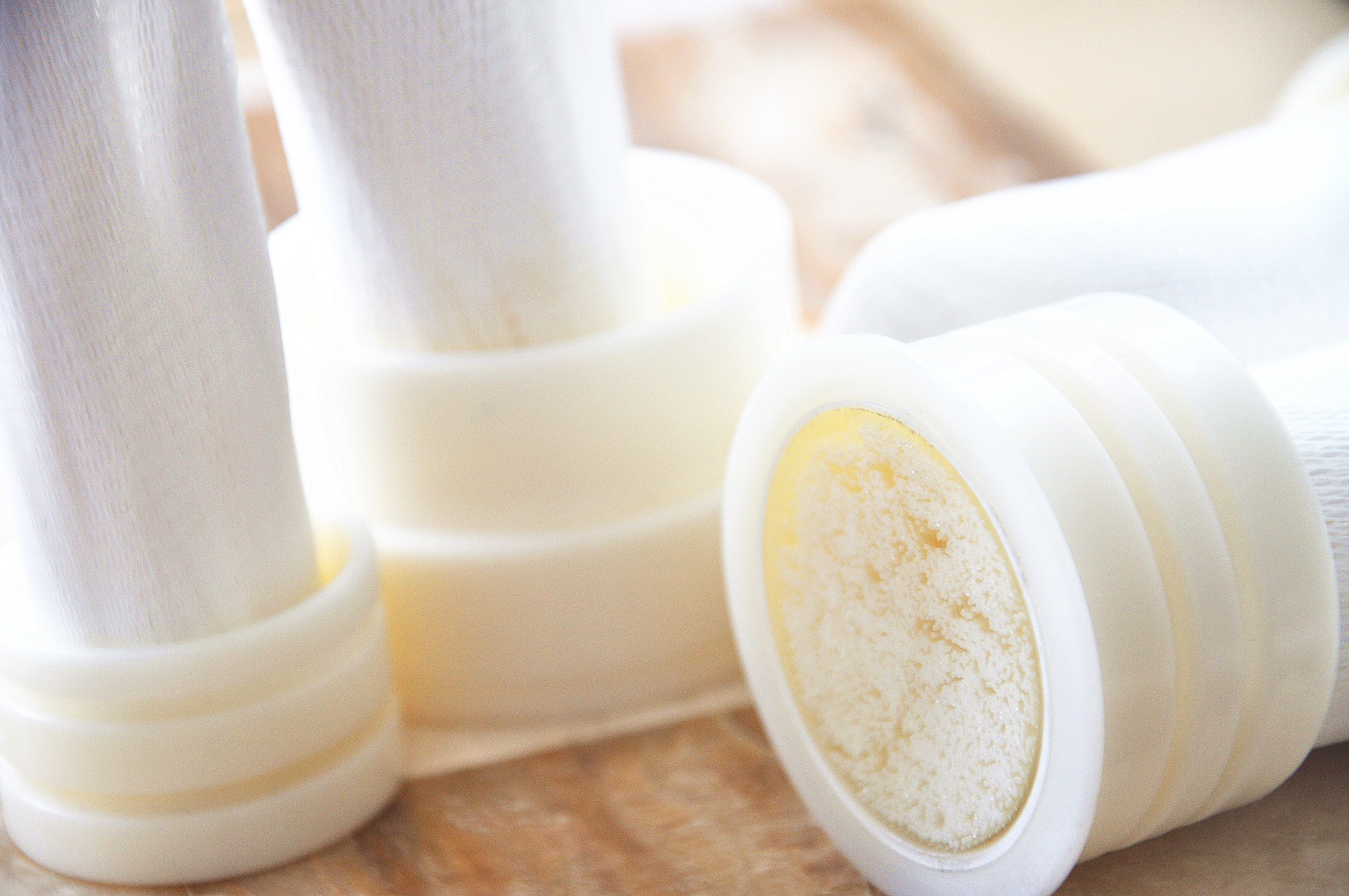
Columnar Membrane–Adhesive Solution
Currently, the encapsulation processes for hollow‑fiber membranes are broadly categorized into dynamic “centrifugal encapsulation” and static “gravity‑based encapsulation.” Our sealant products offer comprehensive solutions—combining high‑hardness sealants with low‑hardness flexible adhesives—tailored to the distinct encapsulation techniques employed for various types of hollow‑fiber membrane modules, effectively addressing issues such as cracking and filament burnout that can arise during the encapsulation process.
Recommended adhesives: HN6208 is an environmentally friendly, two-component, room-temperature-curing epoxy adhesive. After mixing the A and B components, it exhibits low viscosity and excellent processability, making it suitable for encapsulating hollow fiber membranes. The product features no filament formation, low shrinkage, resistance to acids and alkalis, strong adhesion to membrane fibers, and a gentle curing rate. It is recommended for encapsulating large-scale column‑type membranes in static processing applications.
Quality ratio A:B = 100:45; mixed viscosity 1,000–1,500 mPa·s; operating temperature −20 to 70°C. (For detailed specifications, please refer to the TDS.)
HN6209 is an environmentally friendly, two-component, room-temperature-curing epoxy adhesive. After mixing the A and B components, it exhibits low viscosity and excellent processability, making it suitable for encapsulating hollow fiber membranes. The product features no filament formation, low shrinkage, resistance to acids and alkalis, strong adhesion to membrane fibers, and a gentle curing rate. It is recommended for encapsulating large‑scale column‑type membranes used in centrifugal processes.
The mass ratio of A to B is 100:40; the mixed viscosity is 1,000–1,500 mPa·s, and the operating temperature range is −20 to 80°C. (For detailed specifications, please refer to the TDS.)
We can provide higher-temperature‑resistant products of the same type upon customer request.
Roll‑type membrane–adhesive solution 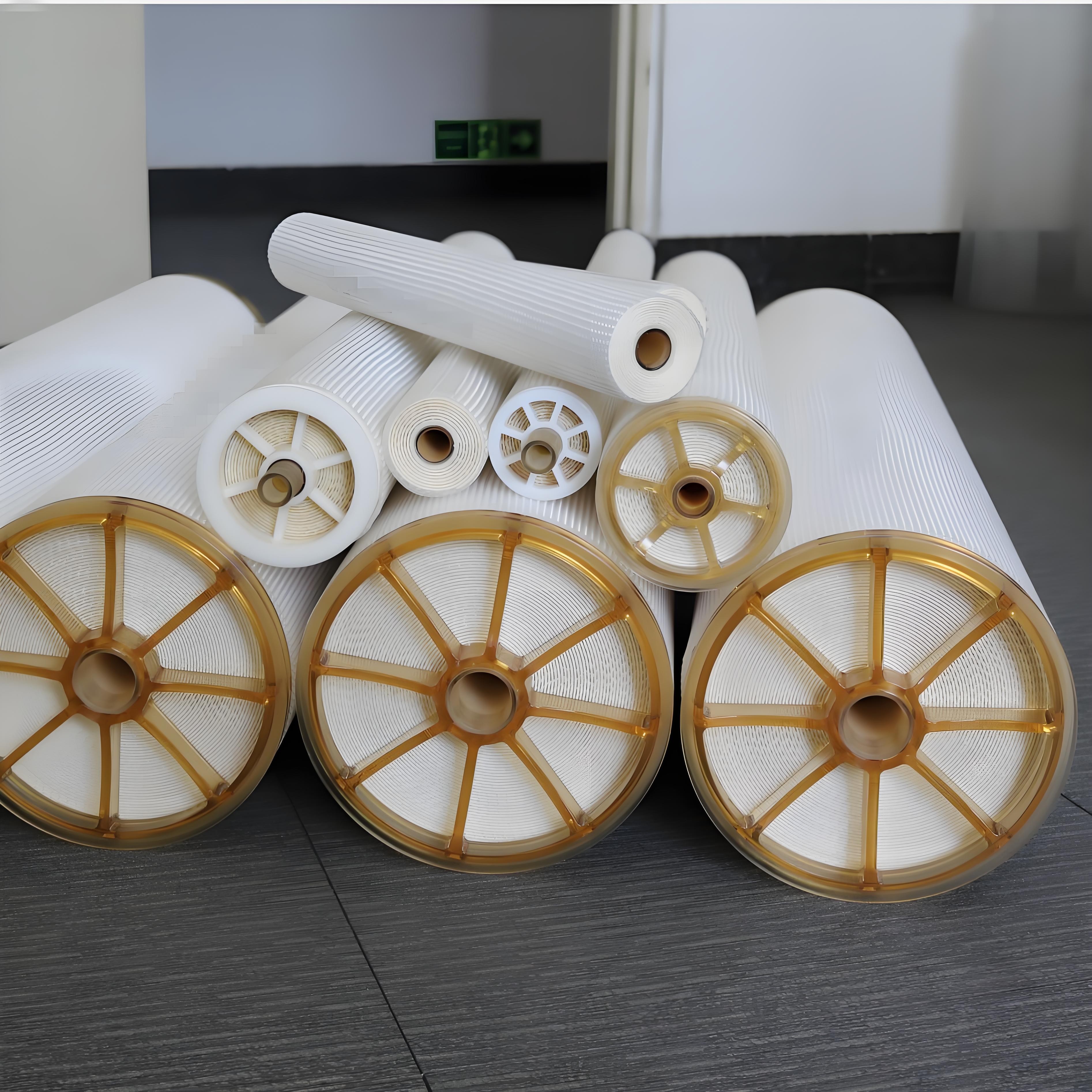
The acid–alkali resistance, thermal stability, and chemical durability of spiral-wound membrane modules depend not only on the performance of the membrane sheets but also on the adhesive used to seal their edges. We have long been committed to providing the water filtration industry with professional, reliable encapsulation solutions for spiral-wound membranes, fully meeting the packaging requirements of such modules across a wide range of application scenarios.
Recommended adhesives: HN6080 Epoxy Structural Adhesive:
HNEP6080 is a high-performance, two-component epoxy structural adhesive that cures at room temperature or with heat. After mixing the A and B components, it exhibits medium viscosity and a moderate cure rate. The cured surface is smooth and glossy, while the material retains flexibility and offers excellent electrical properties as well as superior bonding and sealing performance.
Both the mass ratio and the volume ratio are 1:1, making it easy to handle; environmentally friendly, non‑toxic, solvent‑free, and free of curing byproducts, with 100% solids content; exhibits excellent adhesion to polysulfone substrates.
It exhibits superior heat resistance and corrosion resistance compared to polyurethane structural adhesives.
RO Reverse Osmosis Membrane – Adhesive Solution 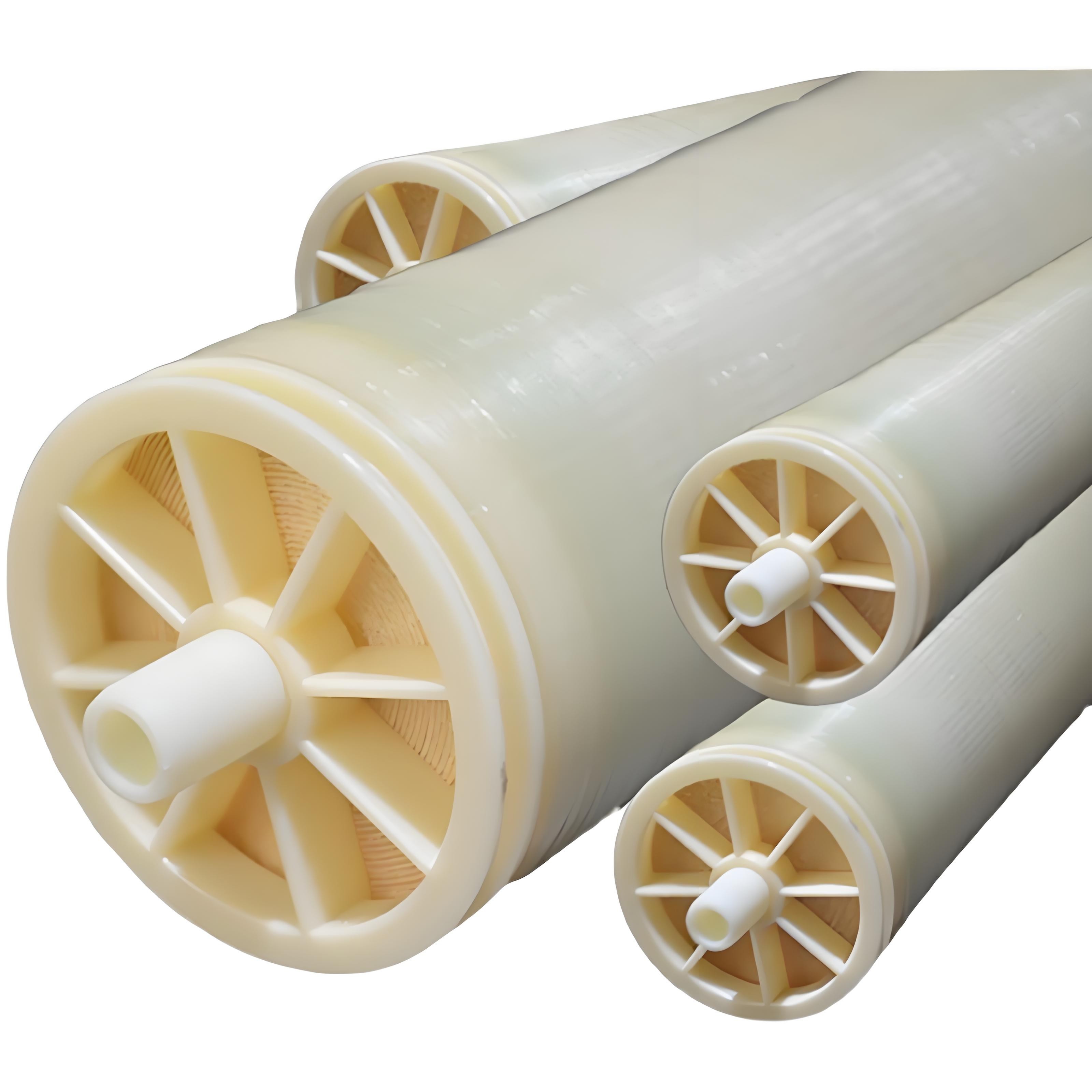
Reverse osmosis membrane sealant is a high-performance adhesive specifically designed for sealing the ends of reverse osmosis membrane elements. Its primary components are modified epoxy resins or polyurethane-based materials, offering excellent resistance to high pressure, corrosion, and aging. It maintains long-term sealing performance under operating pressures ranging from 0.5 to 8.5 MPa. This adhesive must comply with the U.S. NSF/ANSI 61 standard for potable water systems. Upon curing, it forms an elastomeric structure that accommodates thermal expansion and contraction between the membrane element and the pressure vessel, with a typical service temperature range of −20°C to 80°C.
Recommended adhesives: HN6080 epoxy structural adhesive is used for laminating membrane modules. It features a 1:1 mixing ratio, a flexible formulation, and high bonding strength.
HN6200 flexible epoxy potting compound is used for sealing the ends of membrane modules.
Flat Ceramic Membrane – Adhesive-Based Solution 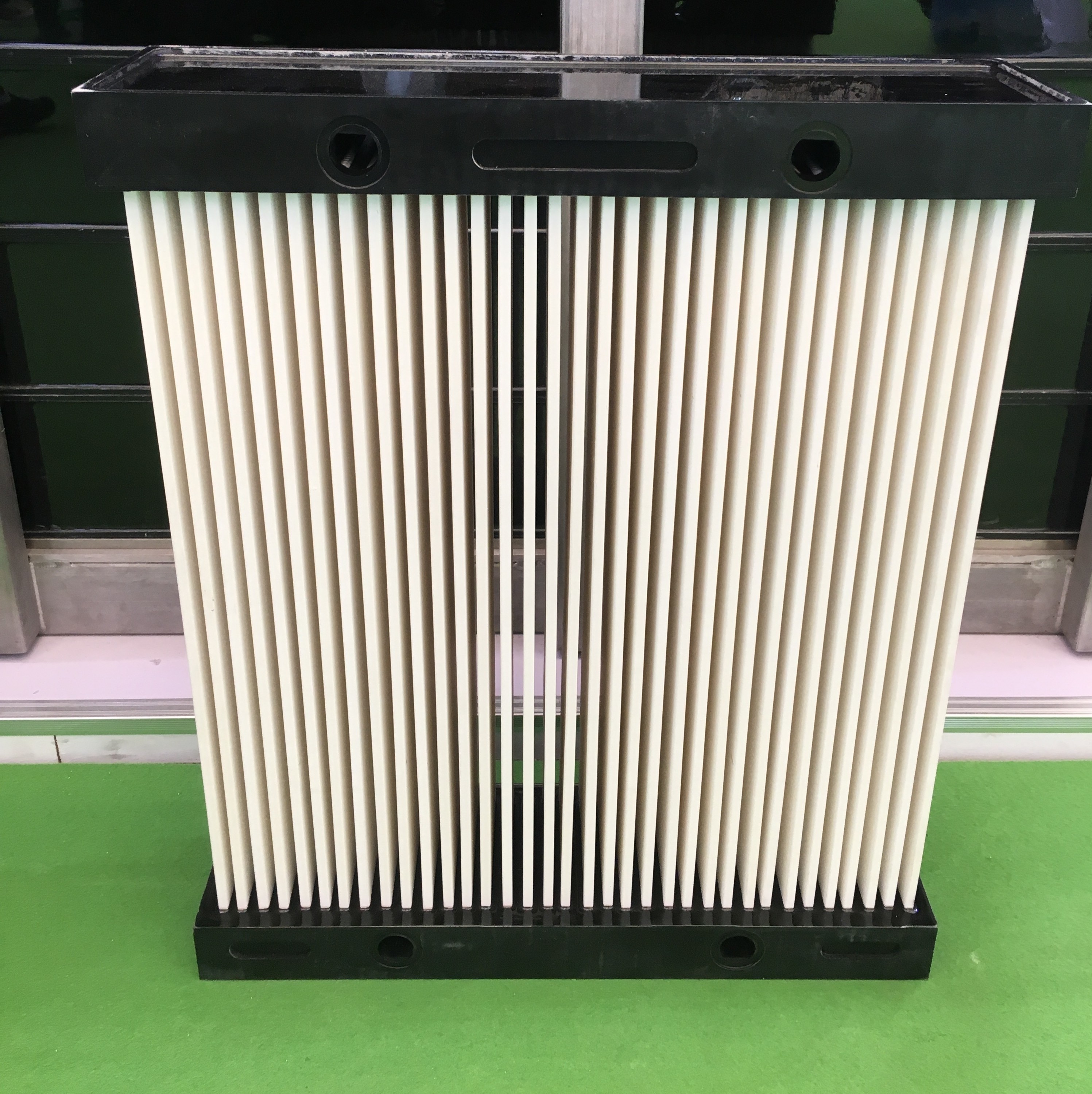
Inorganic ceramic membranes made of silicon carbide or alumina—primarily available in flat‑sheet, tubular, and multi‑channel cylindrical configurations—offer a host of advantages, including high mechanical strength, excellent thermal shock resistance, high flux, low operating costs, and long service life, making them next‑generation ceramic membrane products for the future.
Recommended adhesives: HNEP6225G, a 1:1 transparent pale-yellow epoxy potting compound, offers excellent adhesion and outstanding flexibility. It exhibits superior bonding to ceramics and ABS, with a flexible formulation that prevents cracking or damage to ceramic substrates, and it is resistant to acid and alkali corrosion.
HNPU8008 polyurethane structural adhesive, with a mixing ratio of 100:110, is transparent to off-white in color, cures rapidly, exhibits excellent toughness, and provides outstanding adhesion to plastics and ceramics.
Shanghai Hinnel is committed to providing comprehensive adhesive solutions for water treatment membrane modules, covering a wide range of adhesive types including epoxy resins, polyurethanes, and silicones. In addition to offering standardized products, we can also tailor exclusive solutions based on the material properties of our customers’ membrane fibers and their specific application requirements, addressing key parameters such as viscosity adjustment, optimization of working time, control of curing cycles, and enhancement of temperature resistance. We warmly welcome partners from all sectors to contact us and work together to develop more suitable and efficient adhesive application solutions for the water treatment industry.
If you have any questions about the adhesives used in water treatment membrane modules, please feel free to contact us—we’ll be happy to assist you.
We are here to assist you at any time.
Whatever adhesive challenge you face, we are ready to offer our insights, expertise, and solutions to help you move forward.
How can we assist you?



