
Adhesive Solution for Door Systems
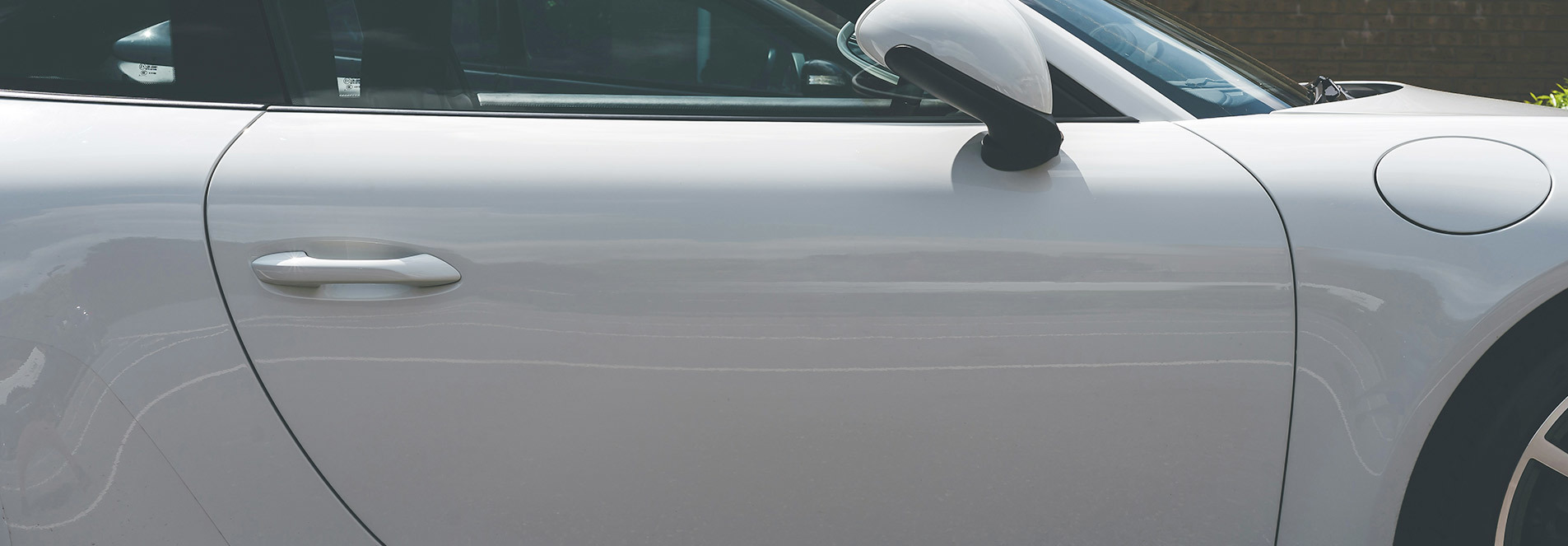
New‑energy vehicle doors prioritize lightweight design and acoustic quietness. Adhesives can firmly bond dissimilar materials such as aluminum, steel, and composites, helping to reduce weight while enhancing structural strength; they also effectively dampen vibrations and suppress noise, improving NVH performance; provide superior sealing to block wind noise, rain, and dust; and enable flush bonding of trim panels, sensors, and other components, boosting both aesthetic appeal and functional integration.
Composition, adhesive application strategies, and significance of electric vehicle door systems:
I. Composition of the Electric Vehicle Door System
Structural component
Door frame: a metal (steel/aluminum) or composite-material framework that supports the overall structure.
Outer and inner panels: The outer panel (metal/plastic) covers the vehicle body, while the inner panel (metal) supports functional components.
Anti-collision beam: enhances side-impact protection.
Functional component
Window glass: fixed or operable.
Sealing System: Waterproof and dustproof sealing strips (rubber or EPDM).
Hinges and Locks: Mechanical Connections and Locking Mechanisms.
Electronic components: door handle sensor, wiring harness, motor (electric door).
Lightweight materials
Aluminum alloys, carbon fiber, engineering plastics (such as PP and ABS), and others.
II. Adhesive Solutions and Recommended Adhesives
1. Structural bonding
Application areas: bonding of door inner and outer panels, securing anti‑collision beams, and joining composite materials.
Recommended adhesives:
Epoxy adhesive: high strength and fatigue resistance.
Polyurethane structural adhesive: excellent elasticity and vibration absorption.
Importance: Replaces welding/riveting, reduces weight, and prevents thermal deformation of metals.
2. Glass bonding
Application area: Securing the window glass to the vehicle frame.
Recommended adhesives:
Polyurethane glass sealant: high elasticity and weather resistance.
Importance: Ensuring airtightness and preventing glass from detaching during a collision.

3. Sealing and Shock Absorption
Application areas: door seams and wiring harness hole sealing.
Recommended adhesives:
Butyl tape: waterproof and dustproof.
Silicone sealant: resistant to high and low temperatures.
4. Adhesion of Lightweight Materials
Application areas: plastic trim panels, composite material components.
Recommended adhesives:
Acrylic adhesive: fast curing, suitable for dissimilar materials.
5. Temporary fixation
Application area: Positioning during the assembly process.
Recommended adhesives:
Pressure-sensitive tape: Leaves no residue and is removable.
III. The Importance of Adhesives
· Lightweight design
Adhesives replace mechanical fasteners, reducing door weight and improving driving range.
· Enhance security and NVH Performance
Structural adhesives enhance impact energy absorption; vibration-damping adhesives reduce noise. / Vibration.
· Sealing and Weather Resistance
Prevent moisture / Prevents dust ingress, protects electronic components, and extends their service life.
· Adapting to new material processes
Addressing dissimilar materials (metals - Plastic bonding challenges, preventing electrochemical corrosion.
· Increased production efficiency
Automated adhesive application streamlines the assembly process and reduces manufacturing costs.
Recommended Adhesives for Electric Vehicle Door Systems:
| Application scenarios | Adhesive Type | Specification Requirements | Recommended adhesives |
| Glass Lift Control PCB | UV conformal coating | Moisture- and heat-resistant, corrosion-resistant | HNUV12577 conformal coating |
| Glass elevator motor | Epoxy structural adhesive | High bonding strength and excellent resistance to mechanical fatigue. | HNEP6020-12 Epoxy Structural Adhesive |
| Door handle RF antenna | Polyurethane potting compound | Double 85‑hour reliability, thermal cycling resistance, and excellent adhesion. | HNPU512 Polyurethane Potting Compound |
| Adhesive bonding of door handle trim parts | Polyurethane structural adhesive | Resistant to mechanical fatigue and exhibits strong adhesion to plastics. | HNPU7003 Polyurethane Structural Adhesive |
| Adhesion of inner and outer door panels | Polyurethane structural adhesive | Good elasticity and shock absorption | HNPU8030 Polyurethane Structural Adhesive |
| Adhesion of inner and outer door panels | Epoxy structural adhesive | High strength, fatigue-resistant | HNEP6020 Epoxy Structural Adhesive |
| Door seam and wiring harness hole sealing | Organosilicon adhesive sealant | Good adhesion and high strength | HNSIL 374 Organic Silicone Adhesive Sealant |
Through a scientifically engineered adhesive‑application strategy, electric vehicle door systems can simultaneously achieve lightweight design, enhanced safety, and extended service life.
We are here to assist you at any time.
Whatever adhesive challenge you face, we are ready to offer our insights, expertise, and solutions to help you move forward.
How can we assist you?



