
Learn about silicone sealant in this article.
With the rapid advancement of industrial manufacturing and technology, silicone sealants have garnered widespread attention. As a high-performance material, they play an indispensable role across numerous fields. Next, Shanghai Hinnel New Materials Technology Co., Ltd. will delve into the composition of silicone sealants, their curing process, and their outstanding performance in practical applications.
Shanghai Hinnel
Apr 29,2025


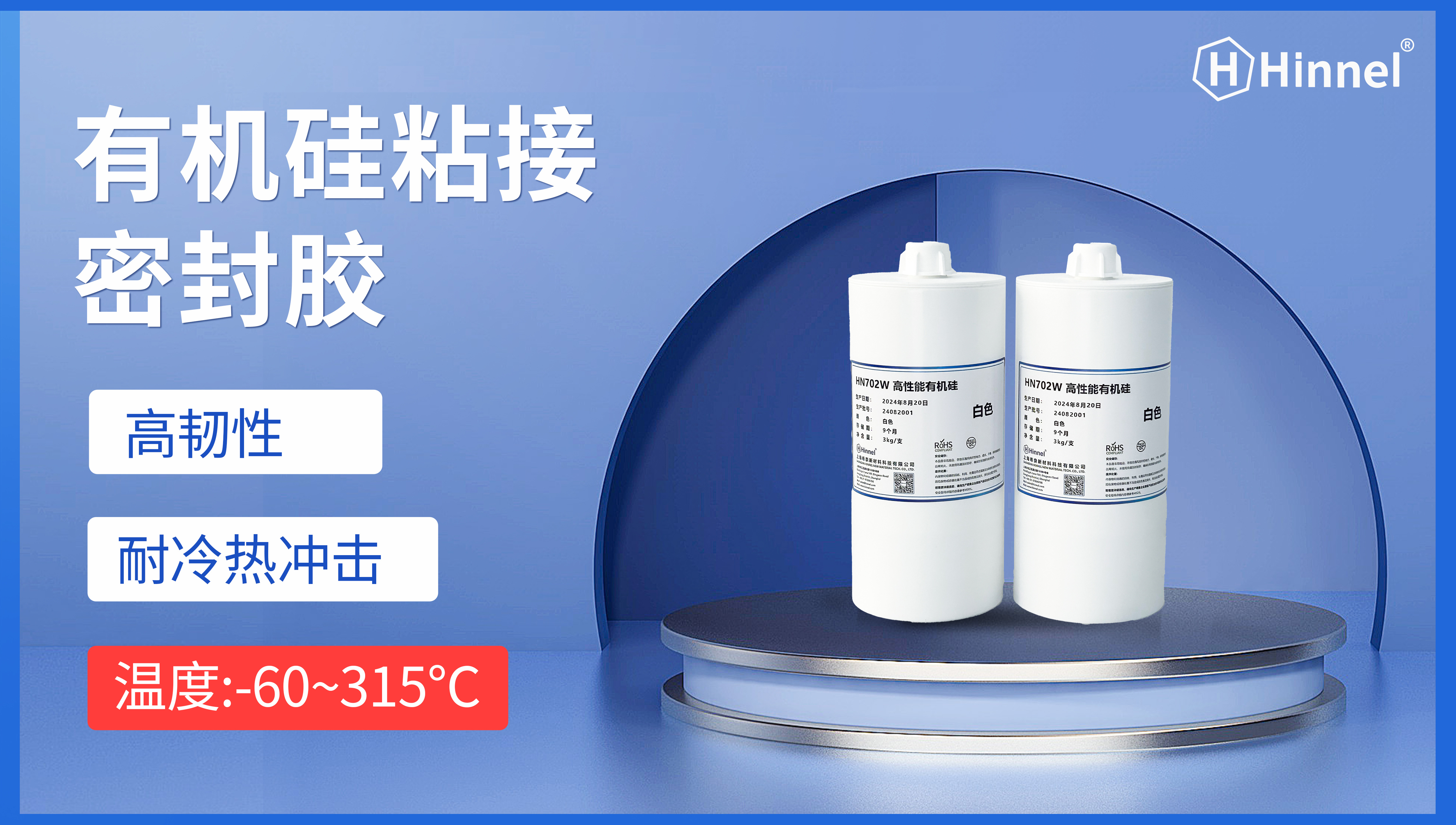
Organosilicone sealant is a sealing material whose primary component is an organosilicone polymer. This polymer forms the backbone of the sealant and determines its fundamental performance characteristics. Compared with other common sealing materials, it offers numerous distinct advantages. First, organosilicone sealants exhibit excellent resistance to both high and low temperatures, maintaining stable performance under extreme conditions without cracking or hardening. Second, they possess outstanding chemical resistance, effectively withstanding the corrosive effects of acids, alkalis, salts, and various other chemicals. Furthermore, organosilicone sealants provide superior electrical insulation, making them suitable for sealing a wide range of electrical equipment.
Silicone sealant Its adhesive properties enable it to deliver outstanding performance in a wide range of sealing applications, as follows:
1 In the packaging of electronic components, silicone sealants can tightly conform to the component surfaces, preventing the ingress of moisture, dust, and other contaminants.
2 In the construction sector, silicone sealants can be used to seal windows, door gaps, and other joints, effectively preventing weathering caused by wind and rain.
3 In automotive manufacturing, silicone sealants can be used to seal components such as engines and transmissions, enhancing the vehicle’s overall sealing performance and durability.
Hinnel New Materials Application method for silicone sealant:
Pre-processing: Clean and prepare the surface of the substrate to be bonded or coated, using a cleaning agent to remove rust, dust, oil, and other contaminants. It enables primerless adhesion to a wide range of materials, including glass, metals, and most commonly used industrial plastics.
Sizing: Cut the nozzle to the required size and load it into the caulking gun. Extrude the adhesive onto a thoroughly cleaned surface, ensuring even distribution. When bonding, simply bring the surfaces together and hold them in place. At room temperature, 55 Under conditions of % relative humidity, the rubber compound exposed to air will, in approximately… 15 Complete in about minutes “ Crust ” Therefore, all processing steps must be completed before the formation of the rind.
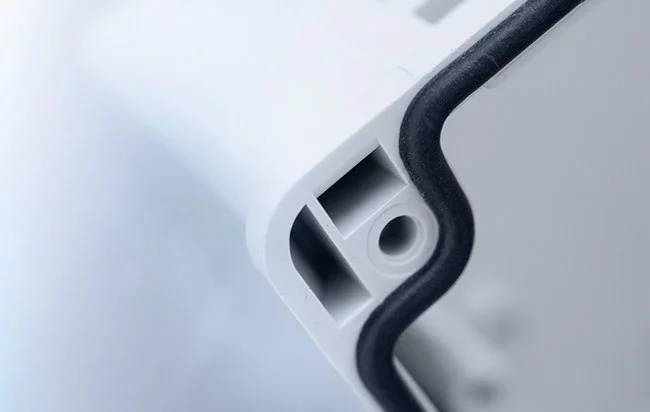
Curing: After the rubber compound forms a skin, it continues to cure from the surface inward, in… 24 within hours ( At room temperature, 55 under % relative humidity ) , the adhesive will cure in approximately 2-3mm The depth of cure. In extremely deep layers—particularly in areas where atmospheric moisture cannot easily penetrate—complete curing requires a longer time; under low-humidity conditions, the curing time is even longer. When handling and packaging bonded components, users are advised to allow sufficient time to ensure that the bond and seal remain unaffected. This depends on numerous factors, and for each specific application, it should be determined by the user.
Note: After use, any unused adhesive should be sealed and stored. When reusing, if a thin skin has formed at the seal, simply remove it; this will not affect normal operation.
Silicone sealants boast broad application prospects and strong market demand. Gaining a quick understanding of their fundamental characteristics, areas of application, and installation methods can help industry professionals make more informed choices and effectively utilize this material. For more information on… Performance and Related Information on Silicone Sealant Products , you can visit the official Hinnel website for more details.
>Recommended Reading

From automotive to industrial manufacturing, how do you choose the right adhesive for sensors?
Shanghai Hinnel
Nov 05,2026
How to choose potting compound for photovoltaic inverters? From operating conditions to materials.
Shanghai Hinnel
Nov 03,2026
Shanghai Hinnel
Oct 27,2026
How can we assist you?
