
Why is epoxy adhesive chosen for potting the controller? What are the reasons?
As a core component in electronic devices, the controller’s stability and reliability are of paramount importance. During the manufacturing process, potting with epoxy adhesive is a critical procedure, primarily due to the superior properties of epoxy and its comprehensive protective capabilities for the controller. Shanghai Hinnel New Materials Technology Co., Ltd. will provide an in-depth analysis of the indispensable role of epoxy adhesive in controller manufacturing.
Shanghai Hinnel
Jul 20,2026


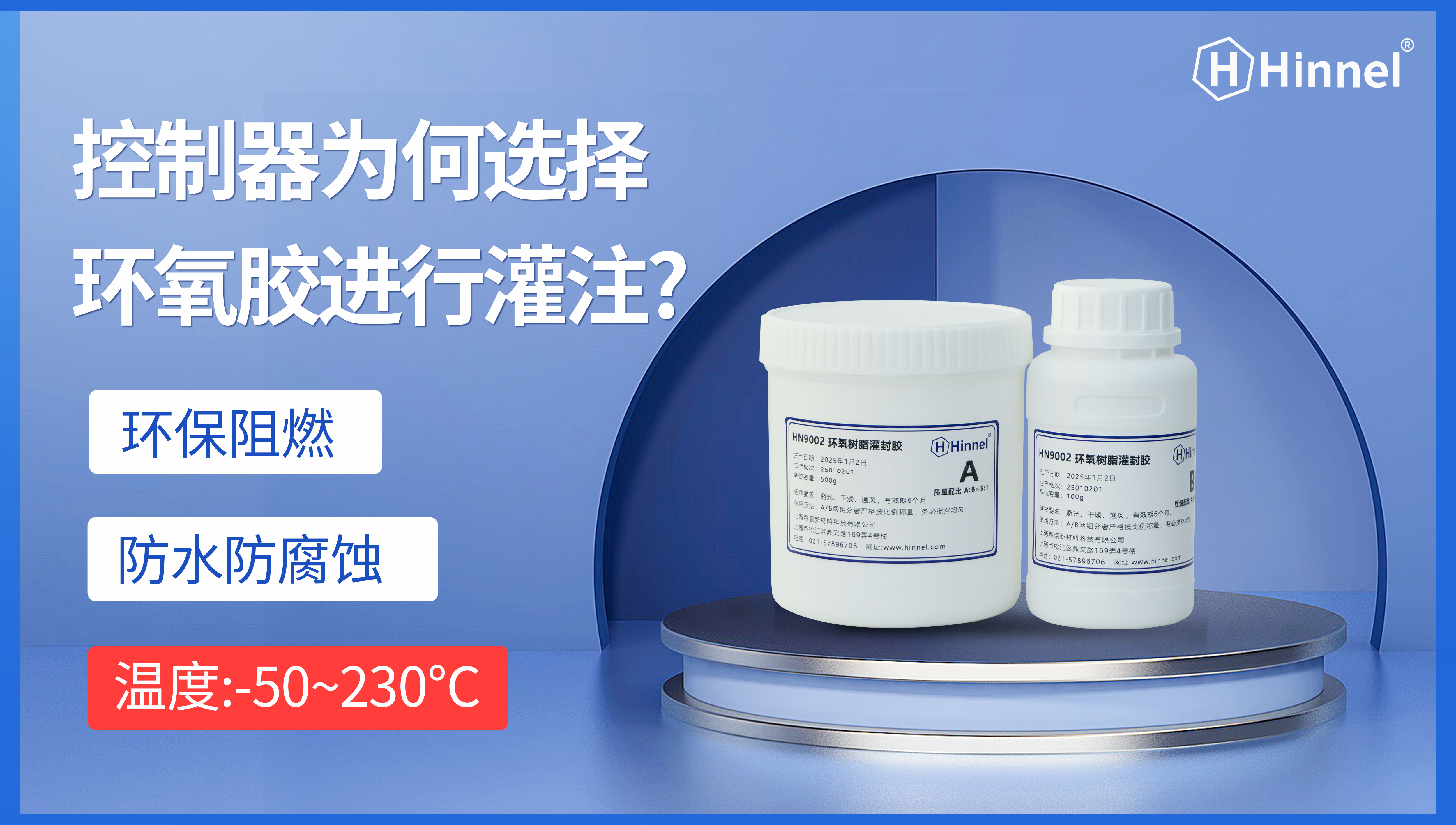
Epoxy potting compounds are a class of liquid epoxy encapsulation or potting materials formulated with epoxy resin as the primary component, supplemented by various functional additives and cured with an appropriate curing agent. Based on their composition, epoxy potting compounds are classified into single-component and two-component types. Since single-component formulations typically require heat to cure and have limited storage stability, they are not as widely used as two-component systems. They can also be categorized by color into transparent, black, and milky white.
Controllers are critical components in modern electromechanical equipment. To ensure reliable operation, they must exhibit dust‑proof, water‑proof, corrosion‑resistant, and heat‑insulating properties. Epoxy resin potting effectively meets these requirements. The specific benefits are as follows:
1. Dustproof: After potting, the controller achieves excellent sealing, effectively preventing dust from entering its interior and thereby avoiding electrical malfunctions caused by dust accumulation.
2. Waterproof: After the controller is pot‑sealed, it prevents rainwater, water vapor, and moisture from entering the interior, thereby avoiding short circuits or damage caused by dampness and enhancing the controller’s reliability and service life.
3. Corrosion resistance: Epoxy resin exhibits excellent resistance to acids, alkalis, oils, and corrosion. After potting the controller, it effectively protects the circuit board from chemical attack, thereby extending the controller’s service life.
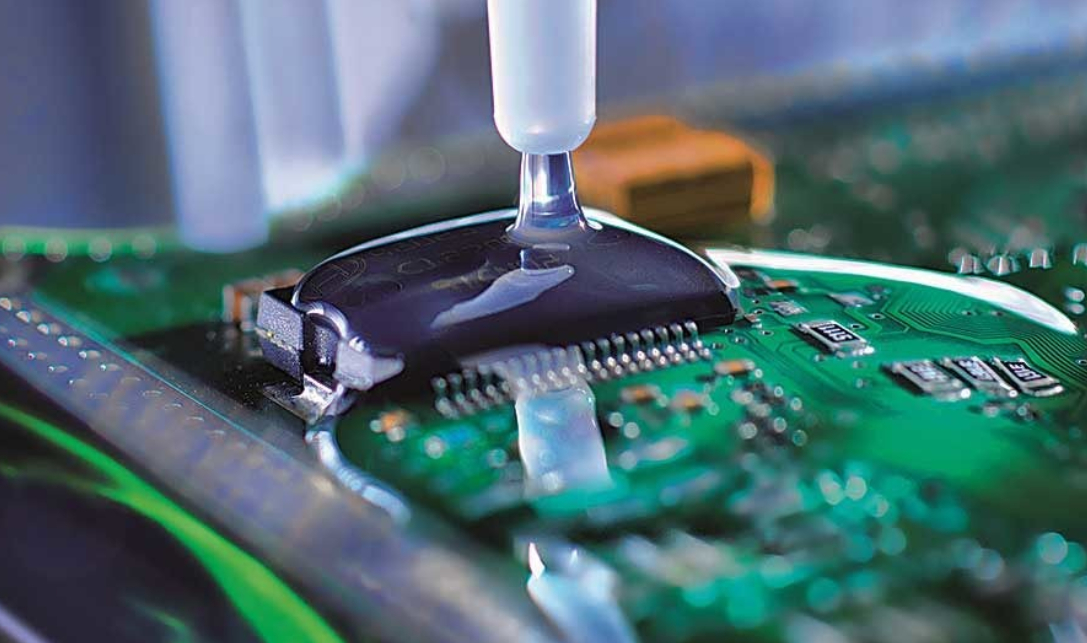
4. Thermal insulation: Epoxy resin has a very low thermal conductivity, and after the controller is encapsulated, it provides excellent thermal insulation, protecting the internal circuitry from the effects of high ambient temperatures and thereby enhancing the device’s stability and reliability.
Hinnel HNEP6220 Epoxy potting compound It is specially formulated for potting controllers, featuring low viscosity, transparency with excellent yellowing resistance, and a moderate curing speed. After curing, it remains soft and elastic, delivering strong adhesion to metal and plastic housings while providing outstanding waterproof performance.
There are many considerations when using epoxy potting compounds, including operating temperature, exposure to thermal cycling, the internal stress experienced by components, and requirements for environmental compliance, flame retardancy, thermal conductivity, color, and more. If you have questions about epoxy potting compounds or need a customized adhesive formulation, please feel free to contact us online or by phone.
Note: Some images are sourced from the internet; please contact us for removal if there is any infringement.
>Recommended Reading

From automotive to industrial manufacturing, how do you choose the right adhesive for sensors?
Shanghai Hinnel
Nov 05,2026
How to choose potting compound for photovoltaic inverters? From operating conditions to materials.
Shanghai Hinnel
Nov 03,2026
Shanghai Hinnel
Oct 27,2026
How can we assist you?
