
Do epoxy structural adhesives differ depending on the application scenario?
With the continuous advancement of technology, epoxy structural adhesives, as high-performance bonding materials, are widely used in various applications. Shanghai Hinnel New Materials Technology Co., Ltd. will introduce the differences in their applications across different scenarios.
Shanghai Hinnel
Mar 20,2025


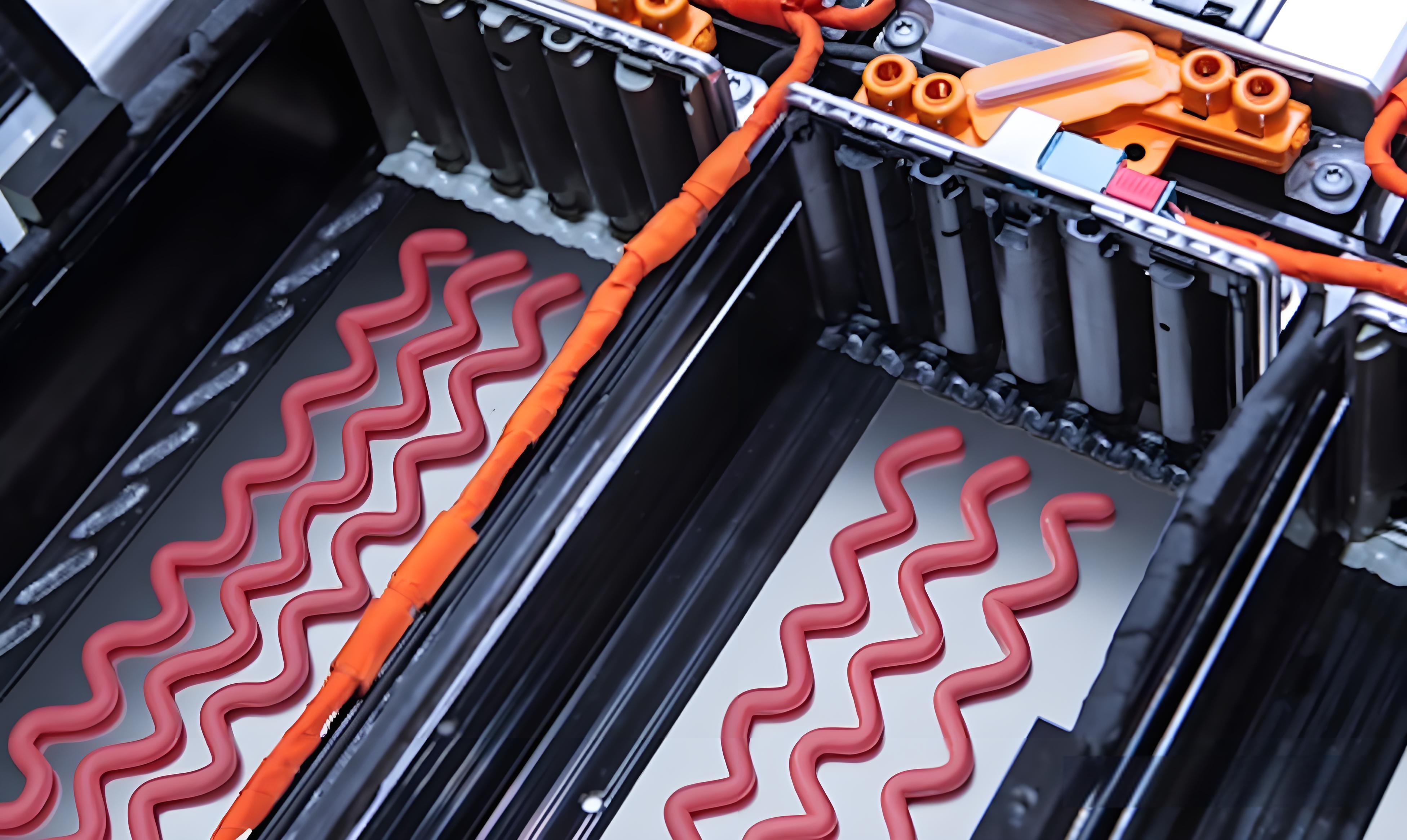
Epoxy structural adhesive The application scenarios are as follows:
Electronics and Electrical Applications In the electronics and electrical industries, epoxy structural adhesives are not only used to bond mechanical components but are also widely employed to prevent electrical short circuits and other issues, thanks to their excellent electrical insulation properties. Their superior insulating performance ensures the reliable operation of electronic devices. 。
Paint Industry In the coatings industry, epoxy structural adhesives are primarily used to formulate waterborne coatings, powder coatings, and high-solids coatings. Their outstanding adhesive strength, chemical resistance, and low shrinkage make them widely applicable in fields such as pipeline and container manufacturing, automotive, marine, and aerospace industries. 。
Craft Applications Crafts often require exquisite and distinctive designs, and epoxy structural adhesives are primarily used in this field to enhance both the durability and aesthetic appeal of products. In this sector, epoxy adhesives may offer a wider range of options in terms of color, transparency, and other characteristics.
Motor Applications In motor manufacturing, epoxy structural adhesives are primarily used to bond motor components, ensuring stable performance under high-load and frequent-start conditions. Epoxy structural adhesives offer high strength and excellent heat resistance (capable of operating at… -40°C to 200°C It maintains stability over a wide temperature range, exhibits resistance to chemical corrosion, and possesses excellent electrical insulation properties, making it particularly important in motor manufacturing. 。
Architectural Applications In the construction industry, epoxy structural adhesives are primarily used for bonding materials such as stone, ceramics, and glass. Given the variable conditions typical of construction environments, these adhesives must exhibit excellent weather resistance and aging performance. Moreover, epoxy structural adhesives for construction applications must also meet environmental standards, such as low… VOC Wait.
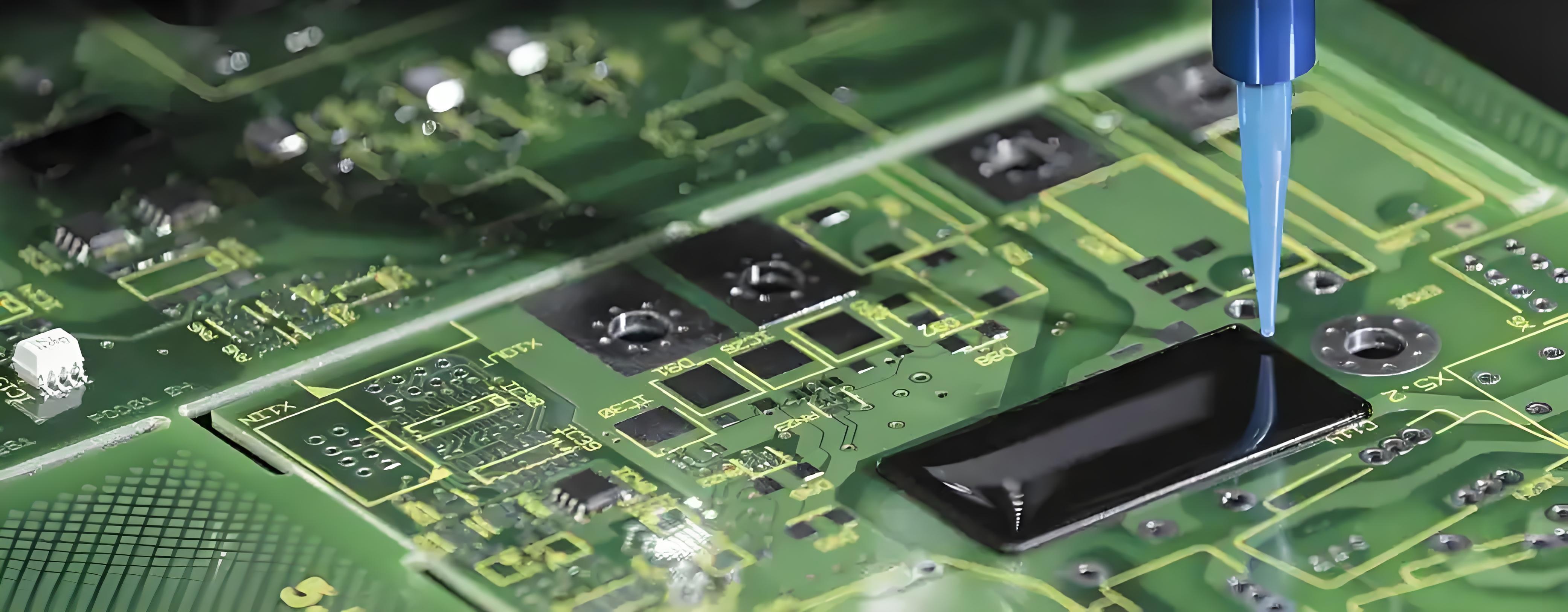
Types of Hinnel epoxy structural adhesives
1. Two-component epoxy structural adhesive
Two-component epoxy adhesive is formulated by mixing two constituents; it offers high transparency and rapid curing, setting at room temperature, making it ideal for bonding large surfaces or applications requiring extended working times. It delivers exceptionally strong adhesion, resulting in a highly robust cured structure. This type of epoxy is widely used for bonding components such as motor housings and brackets.
2. Single-component epoxy structural adhesive
Thixotropic, non‑dripping, long‑curing, single‑component epoxy structural adhesive; easy to use and cures rapidly upon heating. Extremely long shelf life at room temperature. 20~25℃ Can be stored 90 Heaven, 0~5℃ Can be stored 180 Tian is used for structural bonding or caulking; after curing, it exhibits high toughness, excellent adhesion, and superior high-temperature resistance.
In summary, Epoxy structural adhesive It is a material with broad application prospects, and different structural adhesives, owing to their unique chemical properties and manufacturing processes, exhibit distinct application areas and characteristics. Therefore, when selecting a structural adhesive, one should make a choice based on actual needs and the specific application context.
Note: Some content is sourced from the internet; please contact us for removal if there are any infringements.
>Recommended Reading

From automotive to industrial manufacturing, how do you choose the right adhesive for sensors?
Shanghai Hinnel
Nov 05,2026
How to choose potting compound for photovoltaic inverters? From operating conditions to materials.
Shanghai Hinnel
Nov 03,2026
Shanghai Hinnel
Oct 27,2026
How can we assist you?