
What glue is best for bonding ABS plastic?
ABS is one of the most commonly used everyday plastics today. Not only is it highly regarded in household and sanitary applications, but it’s also very popular among DIY enthusiasts. However, this also poses a challenge, as ABS is difficult to bond or repair with glue. So, what are the common potting adhesives used for everyday ABS repairs? Shanghai Hinnel New Materials Technology Co., Ltd. introduces them to you.
Shanghai Hinnel
Apr 10,2025


UV Curing adhesive : UV Curing adhesive is a type of adhesive that cures upon exposure to ultraviolet light, offering rapid curing, ease of use, and environmental friendliness with no pollution. It boasts excellent transparency and weather resistance, making it well suited for applications that demand high aesthetic quality and durability. Its fast-curing properties help boost production efficiency. 。
Hot-melt adhesive : Hot-melt adhesive is a common choice; it leverages the thermoplastic principle, becoming a viscous liquid when heated and solidifying upon cooling to form a strong bond. It offers rapid curing and high bonding strength, making it well-suited for fast bonding on automated production lines. However, its operating temperature is relatively high, so caution is required during use to avoid burns. 。
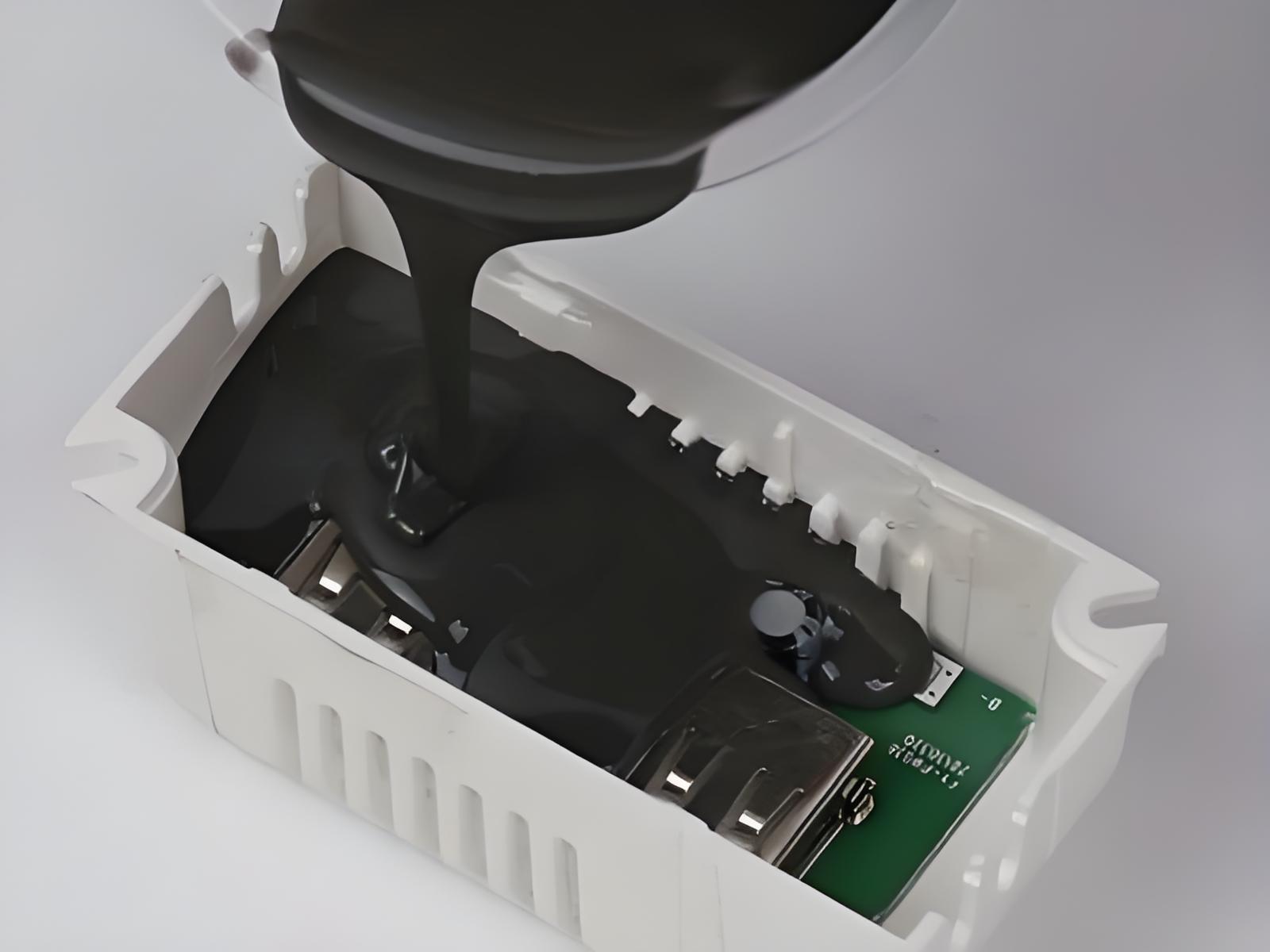
Epoxy resin adhesive : Epoxy adhesive is a two-component glue that cures through a chemical reaction upon mixing. It boasts high strength, high hardness, excellent weather resistance, and superior chemical resistance, making it ideal for bonding… ABS When used with plastics, it can form a tough adhesive layer that resists external impacts and vibrations. However, it should be noted that epoxy adhesives have a relatively long curing time, and sufficient waiting is required to achieve optimal bonding performance. . Partnering with reputable suppliers provides greater peace of mind, for example: Hinnel HNEP9002 Epoxy potting compound , with a temperature resistance range of -40~120 ℃, excellent flame-retardant performance, 3mm V-0 After curing, it exhibits a glossy surface, excellent degassing performance, and rapid cure kinetics, enabling large‑volume potting without gelation or exothermic runaway.

abs Plastic How to Use Glue
1. Substrate Preparation: Remove oil, dirt, and other contaminants from the surface of the substrate to ensure it is clean and dry.
2. Apply glue: Open ABS Plastic adhesive: Apply the adhesive evenly to the surfaces of the plastics to be bonded. Ensure an appropriate amount is applied—neither too much nor too little.
3. Align the parts: After applying the adhesive, quickly align the two plastic components to be bonded, ensuring a tight joint.
4. Pressure‑assisted fixation: Use a clamp or bandage to secure the joint and apply appropriate pressure, helping the adhesive penetrate more effectively into the interface.
5. Curing: Follow the product instructions and allow the adhesive to cure. Typically, the adhesive requires a certain amount of time to achieve optimal bonding performance.
The selection of these potting compounds depends on the specific application requirements and environmental conditions. When choosing an adhesive, consider both the size of the bonding area and the operating environment after bonding. Additionally, always follow all applicable regulations and guidelines to prevent overheating and the release of potentially harmful substances. If you have any uncertainties, seek professional advice. Hinnel has been dedicated to electronic adhesives for many years and offers a wealth of adhesive solutions tailored to various industries. For more information on potting compounds, please feel free to contact us!
Note: Some images are sourced from the internet; please contact us for removal if there is any infringement.
>Recommended Reading

From automotive to industrial manufacturing, how do you choose the right adhesive for sensors?
Shanghai Hinnel
Nov 05,2026
How to choose potting compound for photovoltaic inverters? From operating conditions to materials.
Shanghai Hinnel
Nov 03,2026
Shanghai Hinnel
Oct 27,2026
How can we assist you?
