
What glue should you use for bonding shoes? This article will guide you through how to choose the right adhesive!
When choosing shoe glue, it’s essential to consider the material and intended use of the shoe. Before repairing or crafting, be sure to clean the shoe surface thoroughly, removing dust and grease to ensure the glue adheres properly. Also, follow the specific instructions and recommendations for the glue to use and store it correctly, thereby guaranteeing its effectiveness. Overall, selecting the right shoe adhesive is crucial for ensuring a strong bond and waterproofing, which can extend the shoe’s lifespan and enhance comfort. Shanghai Hinnel New Materials Technology Co., Ltd. introduces how to choose the appropriate adhesive.
Shanghai Hinnel
Nov 12,2021


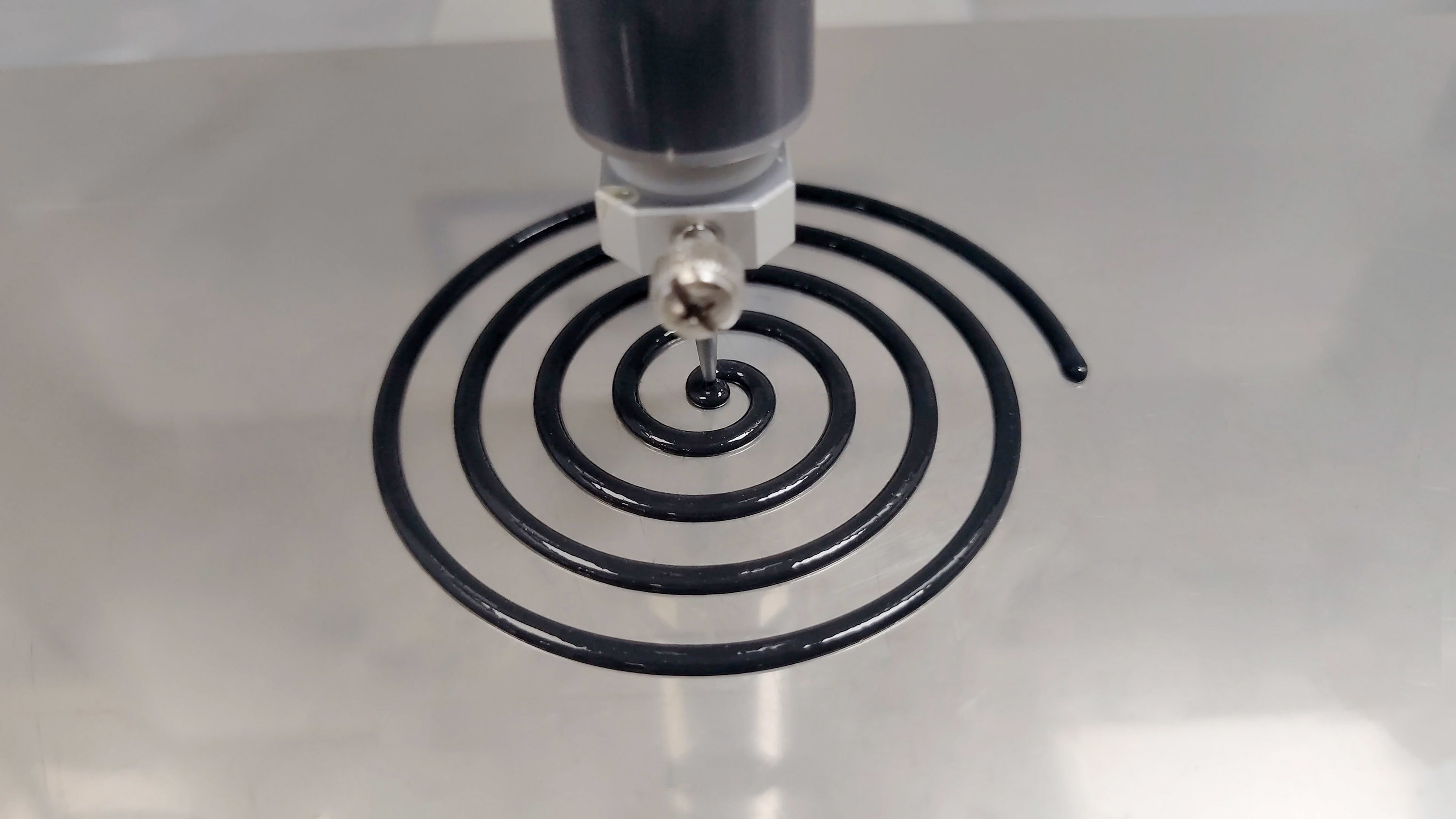
Choosing the right adhesive for shoes requires considering both the shoe material and the intended environment of use.
Types of glue suitable for shoes made of different materials
Sneakers: Polyurethane potting compounds are well-suited for this application due to their high elasticity and excellent wear resistance, making them ideal for bonding sneaker components.
Leather shoes: You can use leather glue, which bonds quickly and is waterproof, making it ideal for repairing leather footwear.
Rubber shoes: Rubber glue is suitable for this purpose, as it offers excellent adhesion.
Cloth shoes: You can use super‑strong glue or vinyl glue, both of which are suitable for a variety of materials, including fabric and leather.
Types of Adhesives Suitable for Different Applications
Waterproofing requirements: You can choose waterproof shoe glue or fast-drying waterproof adhesive. These adhesives do not become brittle after curing, offering high flexibility and elasticity, making them ideal for shoes that require waterproofing.
Fast Bonding: High‑strength shoe repair adhesives and ultra‑strong glues are ideal for applications requiring rapid bonding; they offer strong adhesion, quick drying, and easy application.
Everyday repairs: 502 glue and oil-based raw rubber are also common choices; 502 glue offers strong adhesion, while oil-based raw rubber provides excellent bonding without becoming brittle.
Precautions
Regardless of which adhesive you choose, you should keep the following points in mind:
· Before applying the adhesive, ensure the shoe’s surface is clean and dry, and remove any loose material and dust.
· Operate in accordance with the adhesive’s instructions and the material’s properties.
· After bonding, secure the assembly according to the adhesive’s curing time and the prescribed fixing method to ensure a strong bond.
If you’re unsure about how to choose and use glue, it’s advisable to consult a professional or store staff before purchasing to get more accurate advice. Additionally, depending on the condition of your shoes and your specific needs, opting for a specialized shoe repair shop is also a viable option.
Note: Some content is sourced from the internet; please contact us for removal if there are any copyright infringements.
Previous page:
>Recommended Reading

Performance Impact Analysis and Storage Guidelines for Delamination in Electronic Potting Compounds?
Shanghai Hinnel
Jul 21,2026
How can we assist you?