
What are the advantages of using silicone gel in thyristors?
As a critical component of power electronic devices, the performance of thyristors directly impacts the operational efficiency of the entire system. The application of silicone gel in thyristors not only enhances their performance but also injects new vitality into the broader electronics industry.
Shanghai Hinnel
Jul 20,2026


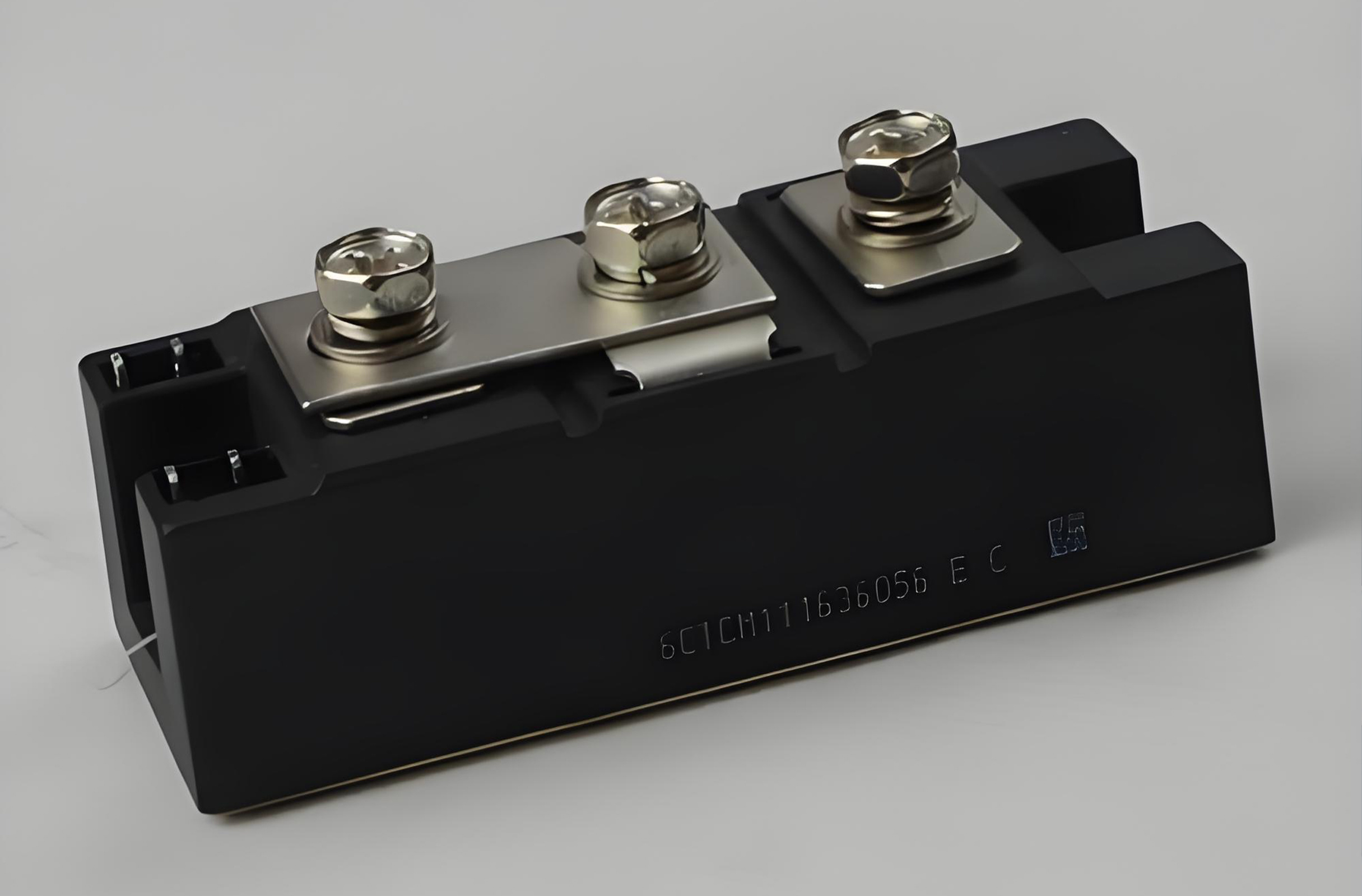
What is Silicone gel ?
Silicone gel is a polymeric material composed of siloxane molecules linked to organic groups. It exhibits flexibility, thermal stability, UV resistance, and excellent electrical insulation properties, making it widely used for electronic packaging, protection, and sealing. Thanks to its temperature stability and low viscosity, silicone gel excels in numerous applications that demand high flexibility and resilience under extreme environmental conditions.
Organosilicone gel is primarily used in thyristors for chip‑junction termination protection, enhancing the device’s long‑term reliability through sealing and insulation. Its core functions are as follows:
✅ Insulated sealing protection
Silicone gel encapsulates the thyristor chip’s junction terminals, creating a physical barrier that effectively isolates moisture, contaminants, and chemical corrosion, thereby preventing degradation of electrical performance; it also offers high dielectric strength, ensuring stable insulation under high-voltage conditions.
✅ High-temperature stability and self-healing capability
Long-term temperature resistance up to 200℃ , high-temperature storage 1000 After several hours, its performance remains stable, making it suitable for ultra-high-voltage applications. It features excellent self‑healing capabilities, enabling it to autonomously repair minor damage and deliver superior sealing performance.
✅ Mechanical stress buffering
Absorb stresses generated by thermal cycling or vibration (e.g., -65℃~200℃ section), thereby preventing the thyristor chip from cracking or detaching due to mechanical shock.
It is precisely because of these significant advantages that silicone gel is increasingly being adopted in the thyristor field. Not only does it enhance the performance of thyristors, but it also improves the reliability and stability of the entire electronic device.
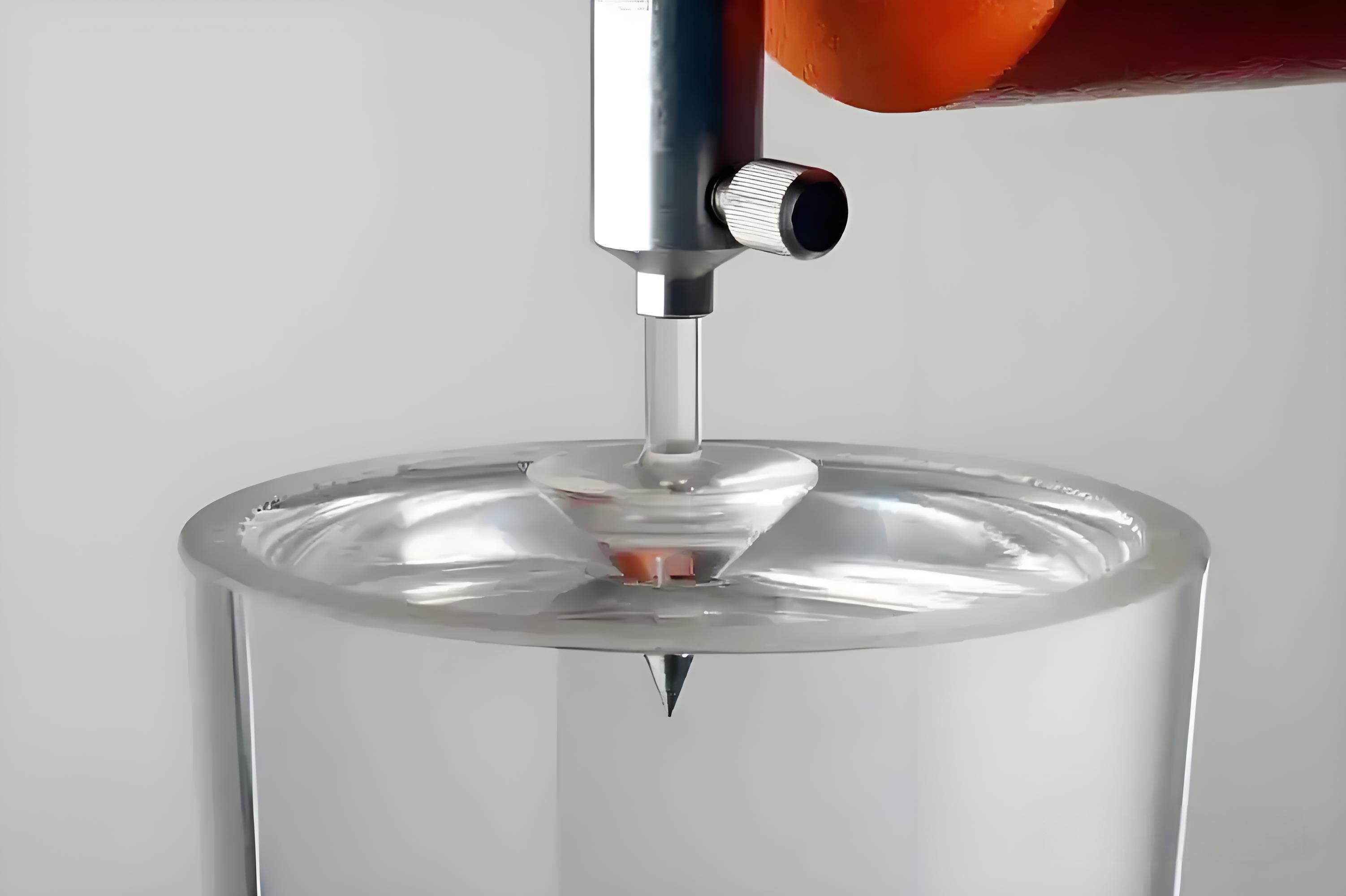
Silicone gel Frequently Asked Questions:
(1) Silicone gel does not cure.
Cause : Inaccurate mixing ratios, uneven stirring, excessively low curing temperatures, or material quality issues.
Resolve : Mix strictly according to the specified ratio and stir thoroughly; increase the curing temperature to the recommended range; optimize the formulation or switch to a high-quality rubber compound.
(2) Bubbles are generated during the operation.
Cause : High temperature (such as 125 °C The above-mentioned factors cause gas within the gel to expand, forming bubble clusters and compromising insulation performance.
Resolve : Vacuum degassing prior to potting; selection of a low-volatility formulation; and control of the device’s operating temperature.

° Send an email to sales@hinnel.com Email box ;
° Call the hotline. +86-021-5789 6706 Consultation ;
° Call technical support +86-18121338868 Consultation.
Note: Some images are sourced from the internet; please contact us for removal if there is any infringement.
>Recommended Reading

From automotive to industrial manufacturing, how do you choose the right adhesive for sensors?
Shanghai Hinnel
Nov 05,2026
How to choose potting compound for photovoltaic inverters? From operating conditions to materials.
Shanghai Hinnel
Nov 03,2026
Shanghai Hinnel
Oct 27,2026
How can we assist you?
