
Adhesive Solutions for IGBTs
Power module packaging is a highly interdisciplinary field, encompassing areas ranging from materials research to process applications, from inorganic materials to polymer materials, and from large-scale intelligent manufacturing equipment to computer simulation and analysis. Power module packaging comes in a wide variety of forms, with new packaging designs constantly emerging, posing greater challenges to packaging materials. Shanghai Hinnel New Materials offers adhesive solutions for silicone and epoxy resin encapsulation.
Shanghai Hinnel
Jul 31,2025


|
|
I. What is an IGBT?
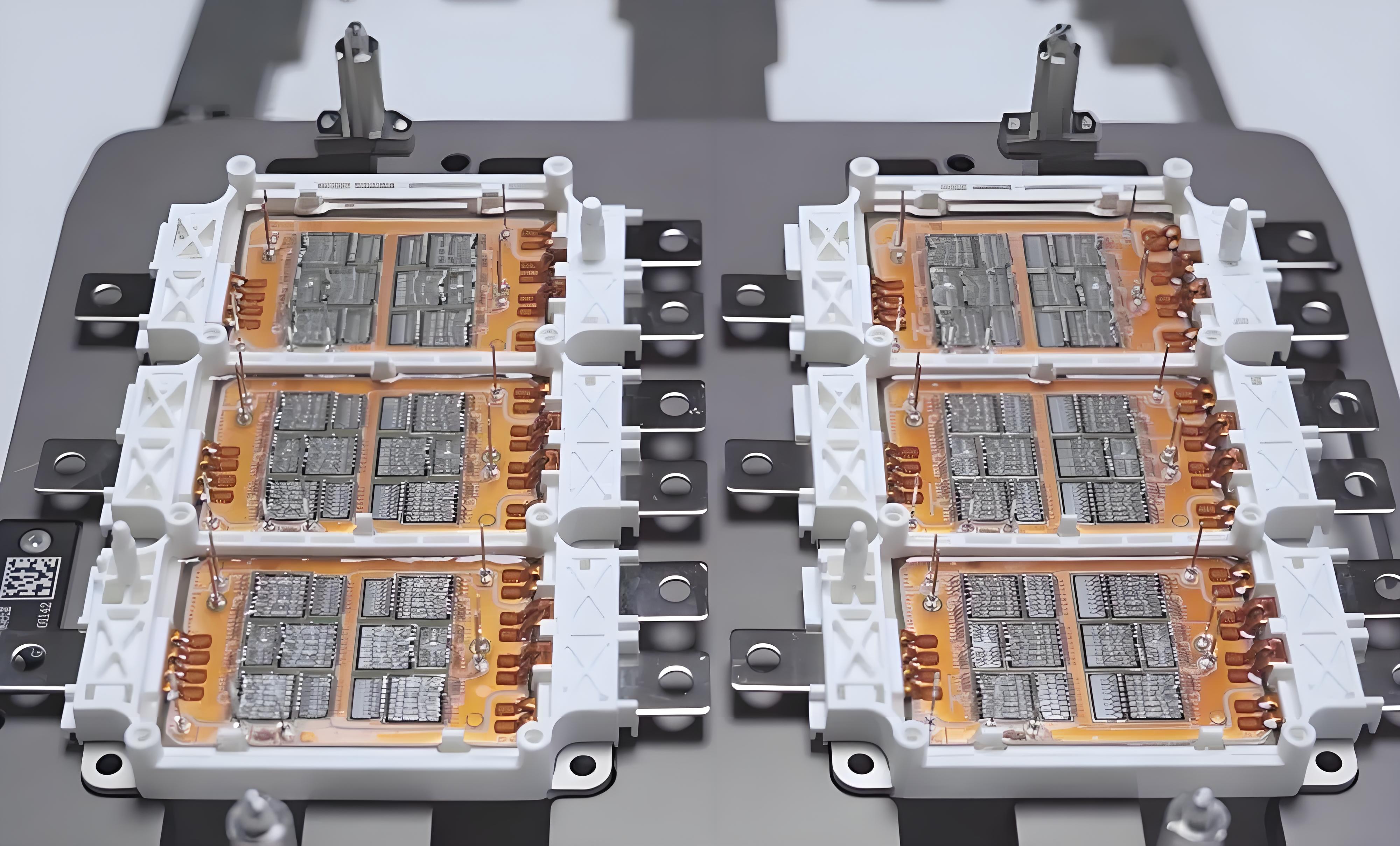
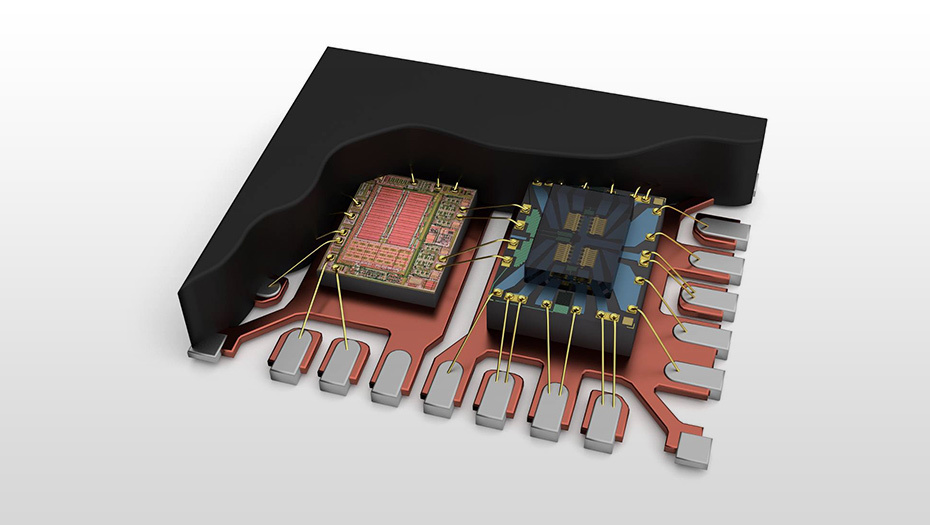
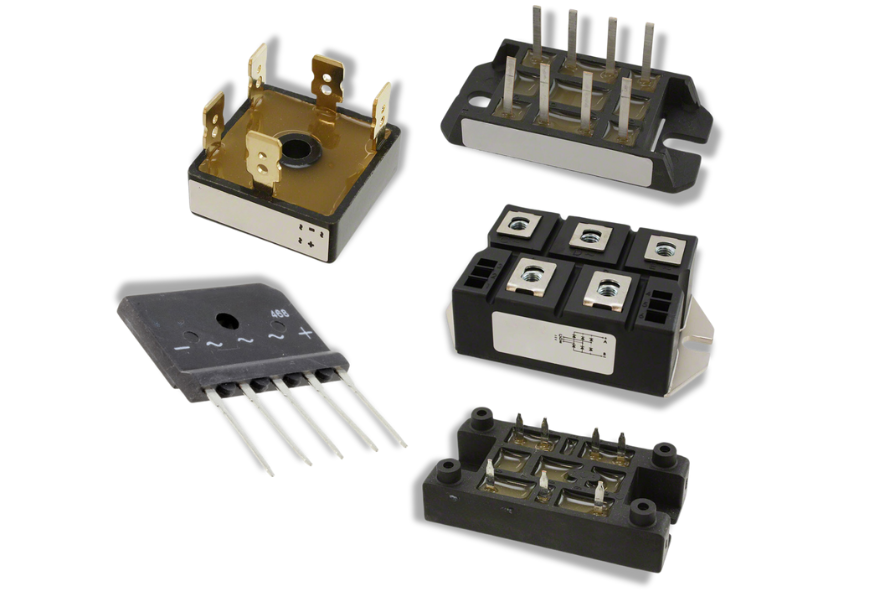
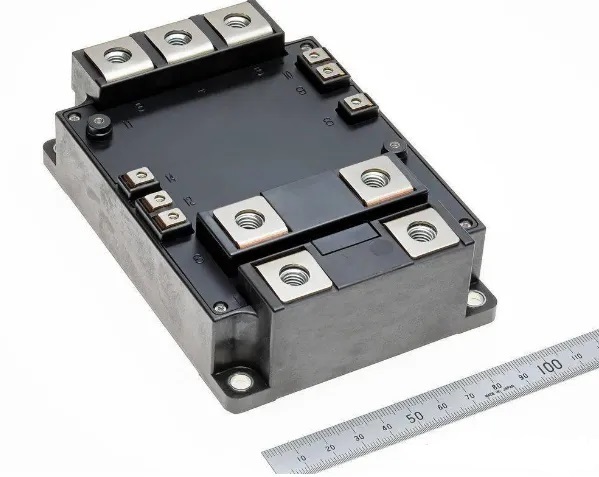
IGBT Namely, the insulated-gate bipolar transistor, a quintessential power device, boasts fast switching speeds, low drive power, and reduced saturation voltage. It is widely employed across various electrification sectors—including advanced rail transit, power transmission and distribution, electric vehicles, new energy systems, and smart home appliances—and is hailed as the cornerstone of electrical (power) processing. “CPU” 。 IGBT Module packaging types are classified according to the assembly process of the die or chip and the mounting/fixing method, including press‑fit and soldered configurations. During the packaging process, a variety of polymeric materials are also employed, such as silicone sealants, silicone gels, epoxy potting compounds, thermally conductive greases, nylon, and epoxy molding compounds, which primarily serve to provide electrical insulation and protection, ensure moisture sealing, and offer mechanical support, thereby enhancing… IGBT It plays an important role in enhancing dielectric strength and reducing the partial discharge level of the module.
II. IGBT The package type
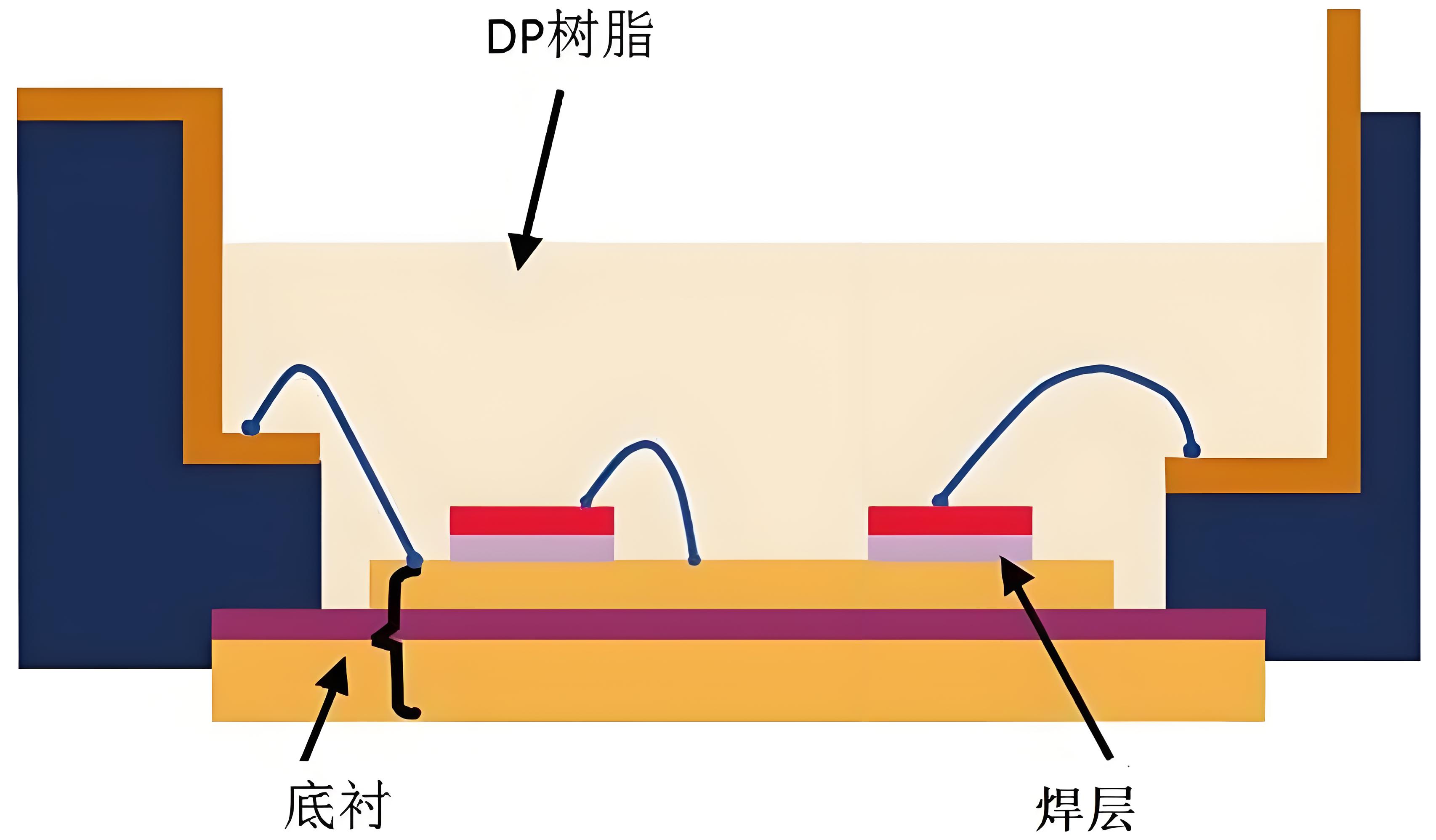
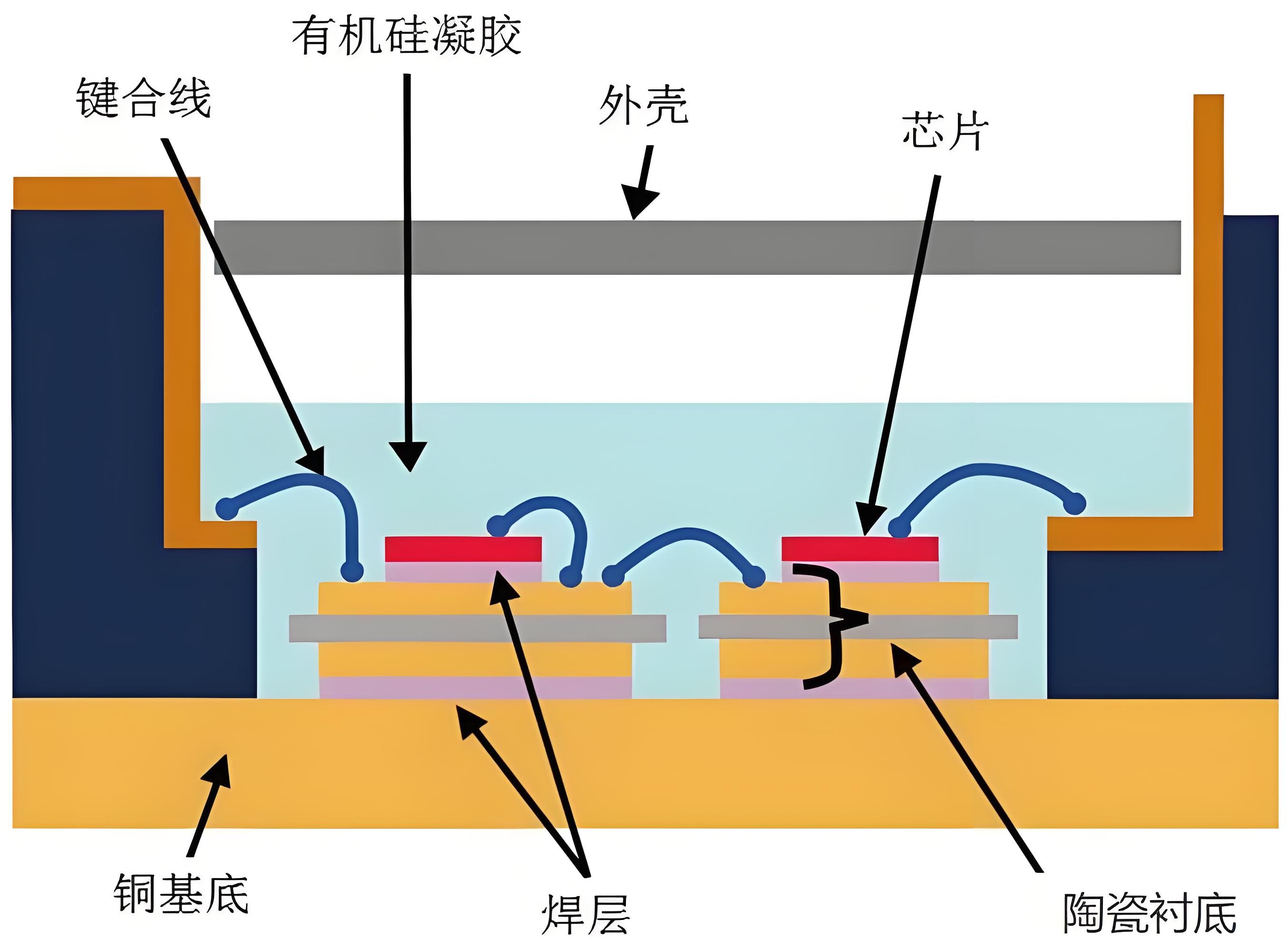
Due to IGBT The differing package types of the modules result in the use of distinct polymeric materials. For soldered-type… IGBT The module is typically encapsulated using a combination of silicone gel, epoxy potting compound, and a plastic housing. This encapsulation approach not only ensures the module’s electrical insulation performance but also provides robust mechanical protection, making it particularly suitable for rail transit applications. IGBT In the module’s encapsulation;
Some also adopt a direct encapsulation approach that combines silicone gel with a plastic housing, primarily used in applications such as electric vehicles and wind power. IGBT Module.
III. Organosilicon in IGBT Applications in Packaging
Silicone, as a stable and reliable polymeric material, is used in… IGBT The main applications are:
1. Organosilicon adhesive sealant (Prior to potting with silicone gel, the housing and base must be bonded and sealed using an organosilicon adhesive sealant to prevent the silicone gel from overflowing during the potting process.)
2. Potting silicone gel /Silicone gel 。
3. Thermal grease (i.e., a high‑thermal‑conductivity silicone grease applied between the module and the heat sink).
IGBT Packaging requirements for silicone performance:
1. Organosilicon adhesive sealant :
In housing sealing solutions, two types of sealants are available: addition‑cure and condensation‑cure. Addition‑cure silicone adhesive sealants require high‑temperature curing; their advantages include the absence of silicone gel poisoning after cure and a faster cure rate compared to condensation‑cure silicone sealants. Condensation‑cure silicone adhesive sealants, on the other hand, cure by absorbing moisture from the air, resulting in a relatively slower full cure time—typically requiring… 24-72 A few hours, and it requires a specially formulated design to prevent silicone gel toxicity.
2. Silicone gel :
Silicone gel is a material that exists in both liquid and solid phases. “ Solid-liquid coexistence ” A special silicone rubber, which is very soft and will not… IGBT The chip generates mechanical stress, even when the ambient temperature is between -50℃~200℃ , and its softness remains essentially unchanged, providing excellent protection. IGBT The chip is protected from moisture, providing insulation, moisture resistance, dust protection, shock absorption, and corrosion resistance. When selecting the appropriate option for a specific application, IGBT When working with silicone gel, the following key characteristics must be considered:
① High-temperature resistance: Silicone gel needs to be at IGBT It maintains stable performance across the module’s operating temperature range, typically. IGBT The operating temperature range of the module is -40°C To 150°C , but some applications may require higher temperature resistance, such as in new-energy vehicles. IGBT The module may face higher temperature challenges.
② Electrical Insulation Performance: Silicone gel shall exhibit high dielectric strength and volume resistivity to ensure reliable insulation protection even under high-voltage conditions.
③ Temperature cycling performance: IGBT In practical applications, modules are subjected to thermal cycling; therefore, silicone gel must exhibit excellent resistance to thermal cycling to ensure long-term reliability.
④ Low stress and flexibility: Silicone gel should exhibit low internal stress and good flexibility to minimize the impact on… IGBT Mechanical stress on the chip enhances package reliability.
⑤ Moisture‑proof and waterproof performance: Silicone gel must be able to effectively prevent moisture and water from penetrating… IGBT Module erosion protects components from the effects of humid environments.
⑥ Seismic Performance: Silicone gel should exhibit excellent seismic performance to provide protection. IGBT The module remains undamaged when subjected to mechanical shock.
⑦ Chemical stability: Silicone gel must exhibit excellent chemical stability, resisting adverse reactions with other materials to ensure long-term performance.
⑧ Thermal aging properties: During long-term service, particularly under high-temperature conditions, silicone gel must exhibit excellent thermal aging resistance to prevent degradation of its performance.
⑨ Environmental adaptability: Silicone gel must be capable of withstanding a wide range of environmental conditions, including resistance to ozone, radiation, and climatic aging.
⑩ Material compatibility: Silicone gel must be compatible with IGBT Other components in the module, such as the substrate and heat sink, exhibit excellent compatibility to ensure the overall reliability of the package.
Depending on the specific application requirements, other properties of silicone gel—such as transparency, yellowing resistance, and cure speed—may also need to be considered. By taking these factors into account, it is possible to select a silicone gel that is well-suited to the particular application. IGBT Silicone gel encapsulant.
|
|
Ordinary linear polydimethylsiloxane ( PDMS ) The gel at over 175℃ The storage time at high temperature exceeds 1000h Subsequently, it becomes brittle, with a severe degradation in mechanical and dielectric properties, and may even crack. Meanwhile, as… IGBT The continuous evolution of module packaging formats has placed increasingly stringent demands on the silicone gel used in encapsulation. IGBT The high purity, high-temperature resistance, and high dielectric properties of silicone gel used for module encapsulation are key development priorities. Insufficient purity in silicone gel stems from both the raw material quality and the manufacturing process. Silicone gels with excessively high ionic content can exhibit yellowing, hardening, and metal ion migration under prolonged exposure to high temperatures and strong electric fields, directly compromising performance. IGBT Its reliability, therefore, necessitates close attention to the issue of silicone gel purity.
IV. Epoxy Resin in IGBT Applications in Packaging
Epoxy resin is a high‑molecular‑weight material whose molecular chains contain two or more epoxy groups. It is characterized by excellent processability, superior dielectric properties, and high mechanical strength, making it widely used across various industries. Epoxy resin materials are applied to… IGBT In module encapsulation, potting is the primary process ( Potting ).
IGBT Epoxy adhesive for module potting ( Epoxy Potting Adhesive ) Typically, this encapsulation is performed after the silicone gel potting has been completed. Following curing, a dense, hard protective layer forms on the surface of the silicone gel, which helps protect the module and enhance its overall structural integrity. This approach also contributes meaningfully to improving the module’s resistance to mechanical shock. Such an encapsulation structure is employed in applications for rail transit. IGBT It is widely used on modules.
IGBT Encapsulation pair Epoxy adhesive Performance requirements:
IGBT Epoxy adhesives for module potting are typically formulated as two-component systems, prepared from specialty epoxy resins, inorganic fillers, and various additives. The cured product exhibits excellent flame retardancy and low… CTE The value can effectively isolate the impact of adverse external conditions.
Common bisphenol A Epoxy potting compounds prepared from type epoxy resins in -40℃ At low temperatures, it can contract and crack, leading to package failure; at temperatures exceeding 150℃ Under high temperatures, it will also soften, losing some of its mechanical and dielectric properties, and exceeding 200℃ After a period of high temperature, chemical bonds may break, generating small-molecule volatile substances; therefore, for operating temperatures reaching… 200℃ of silicon carbide IGBT There are many issues with module encapsulation. IGBT The epoxy adhesive used for module potting exhibits high-temperature resistance, crack resistance, and low… CTE Key areas of focus for future development include optimizing values and refining sizing processes to enhance module performance.
Shanghai Hinnel New Materials Technology Co., Ltd. utilizes bisphenol A Epoxy and anhydride types are prepared to be suitable for IGBT The epoxy potting compound can withstand 1000 More than once -40℃~125℃ thermal shock cycling tests, and on this basis, a model equation for the viscosity of this epoxy adhesive was established to predict… 50~90℃ The flow‑off characteristics of the internal epoxy adhesive provide valuable guidance for the application process; in order to develop a material with improved heat resistance… IGBT Epoxy potting compound: The technical team has developed a formulation that uses a high‑temperature‑resistant specialty epoxy resin as the base resin, combined with high‑temperature‑resistant silicon carbide and flame‑retardant aluminum hydroxide as fillers, resulting in a material that exhibits excellent mechanical properties and superior dielectric performance at elevated temperatures. IGBT Epoxy potting compound, with a glass transition temperature exceeding 200℃ , can meet high-power requirements IGBT Encapsulation requirements for the module.
|
|
V. IGBT Recommended Adhesives for Module Encapsulation
Product Category
|
Product Type
|
Product model
|
Use glue dots.
|
Curing method
|
Main Performance
|
Silicone sealant
|
Alcohol-free
|
HN733T
|
Housing frame sealing
|
Room-temperature curing
|
Room-temperature curing, low-viscosity and transparent
|
Silicone sealant
|
Alcohol-free
|
HN736W
|
Housing frame sealing
|
Room-temperature curing
|
Titanate systems are less likely to cause silica gel poisoning.
|
Silicone sealant
|
Addition-type
|
HN818 Series
|
Housing frame sealing
|
Heat-curing
|
It cures rapidly at high temperatures and does not cause silicone gel poisoning.
|
Silicone gel
|
Addition-type
|
HN5272 Series
|
Potting protection
|
Heat curing
|
Low hardness, very soft, high purity, and yellowing-resistant.
|
Epoxy adhesive
|
Anhydride type
|
HN6300 Series
|
Potting protection
|
Heat curing
|
Low viscosity, high TG , high-temperature resistance, crack resistance
|
Conclusion: In IGBT (Insulated Gate Bipolar Transistor) and SiC MOSFET In the packaging process of high-performance power semiconductor devices such as silicon carbide metal-oxide-semiconductor field-effect transistors, selecting the appropriate encapsulant is of paramount importance. These advanced materials must not only exhibit excellent electrical insulation, high thermal stability, and chemical resistance, but also meet the growing demands for higher power density and long-term reliability. Shanghai Hinnel New Materials’ silicone and epoxy resin encapsulants have been developed precisely based on a deep understanding of these requirements. Silicone encapsulants, with their outstanding high-temperature resistance, aging resistance, and superior flexibility and adhesion, are an ideal choice for protecting power modules from environmental degradation and extending their overall service life. Meanwhile, epoxy resins, owing to their cost-effectiveness, good processability, and high mechanical strength, have earned a prominent position in packaging applications that prioritize value. Both materials, through precise formulation and advanced manufacturing processes, ensure exceptional sealing performance and thermal management during encapsulation, thereby providing… IGBT/SiC MOSFET It provides a solid guarantee for the efficient and stable operation of power devices.
∗ Some images in this article are sourced from the internet; any infringement will be promptly removed.

° Send an email to sales@hinnel.com Email box ;
° Call the hotline. +86-021-5789 6706 Consultation ;
° Call technical support +86-18121338868 Consultation.
>Recommended Reading

From automotive to industrial manufacturing, how do you choose the right adhesive for sensors?
Shanghai Hinnel
Nov 05,2026
How to choose potting compound for photovoltaic inverters? From operating conditions to materials.
Shanghai Hinnel
Nov 03,2026
Shanghai Hinnel
Oct 27,2026
How can we assist you?
