
What are the common issues with silicone thermal‑conductive potting compounds, and what solutions can be implemented?
With the continuous advancement of technology, silicone potting compounds have found widespread application in fields such as electronic device encapsulation. However, in practical use, users often encounter the following issues: incomplete curing or difficulty in curing, bubble formation during operation, and cracking after curing. These problems not only affect product quality but may also lead to equipment damage and project delays. Shanghai Hinnel New Materials Technology Co., Ltd. is here to introduce solutions.
Shanghai Hinnel
Apr 15,2025


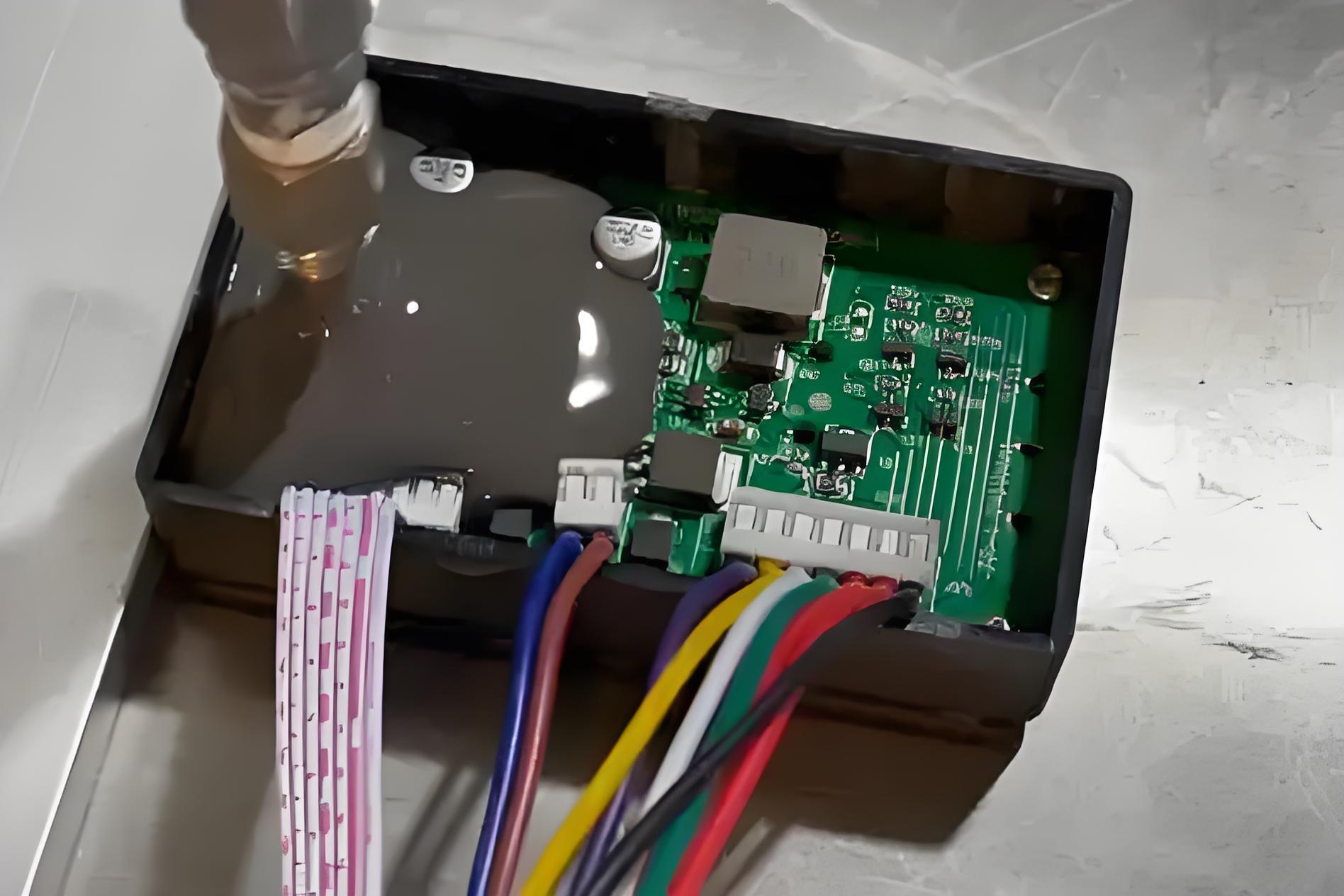
Incomplete curing or difficult to cure
Human error or inaccuracies in measuring instruments may result in an incorrect adhesive mixing ratio, while insufficient curing time or excessively low temperatures can lead to incomplete curing, thereby compromising the final cure performance. 。
Solution:
Regular verification of measuring instruments , ensure the adhesive mixing ratio is accurate . Control the curing temperature and time , increase the curing temperature or extend the curing time if necessary 。
Bubbles are generated during the operation.
Organosilicon potting compounds are typically composed of A 、 B It is formulated by mixing two components; if the mixture is not uniform, the reaction between the two components will be incomplete, leading to gas generation during curing and the formation of bubbles. Curing temperature, humidity, and curing time—all these factors can influence the curing performance of the encapsulant.
Solution:
During stirring, ensure thorough mixing and avoid entraining air; perform vacuum degassing if necessary. When heating silicone potting compounds, avoid excessively high or low temperatures to ensure the material is processed at an appropriate temperature. 。
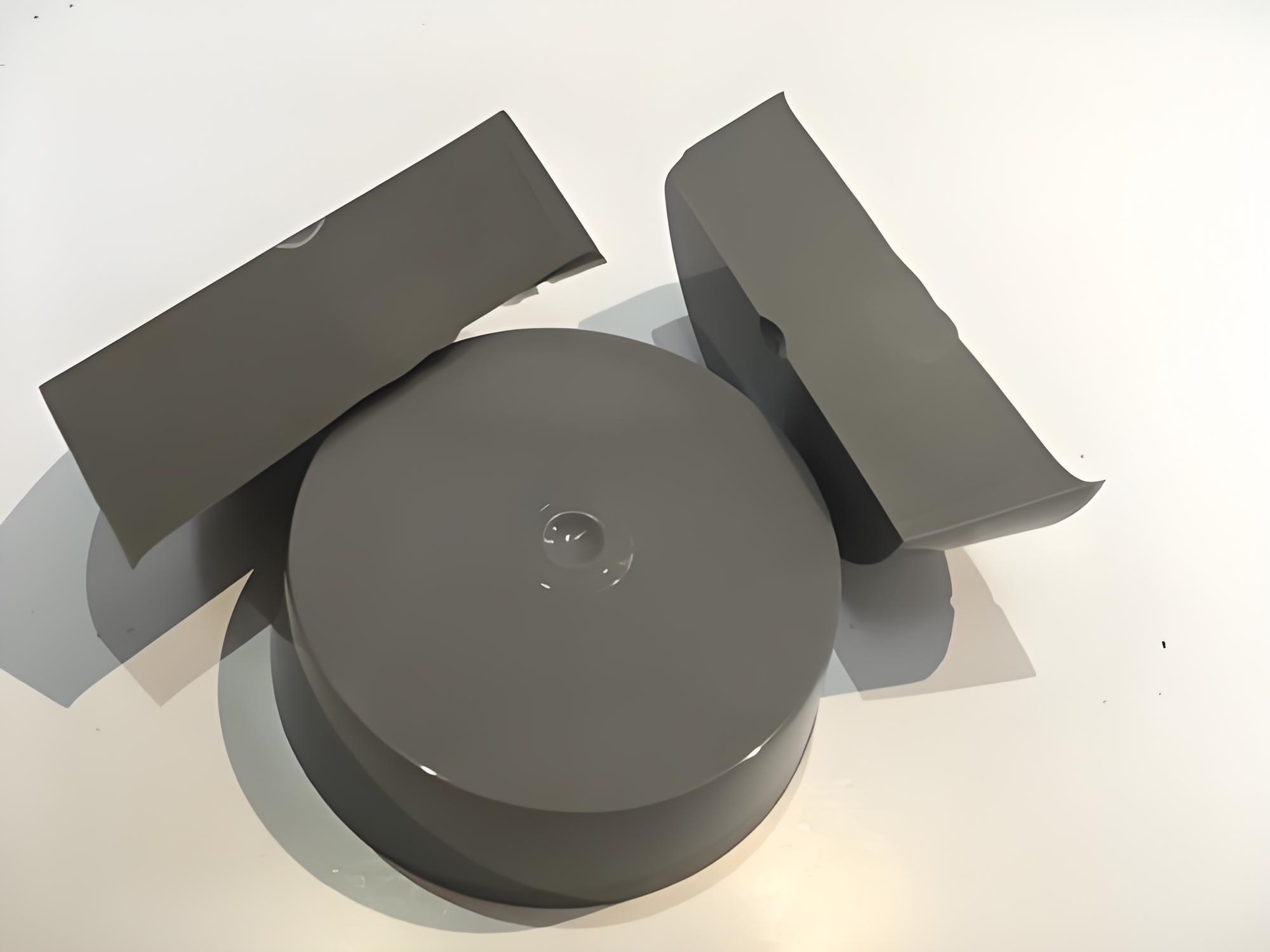
Cracks after curing
External environmental factors such as temperature fluctuations, humidity, and mechanical vibration can also affect the performance of potting compounds. Under harsh conditions, potting compounds are more prone to cracking. During the construction process, inaccuracies in mixing ratios, uneven stirring, and improper potting operations can all compromise the performance of the potting compound, leading to defects after curing.
Solution:
In practical applications, minimize the impact of the external environment on the potting compound by enhancing thermal insulation and maintaining constant temperature and humidity. Follow the manufacturer’s application guidelines precisely to ensure accurate mixing ratios, thorough blending, and proper potting procedures.
Choosing a high-quality silicone potting compound and applying it using the proper procedures will help minimize potential issues, making it hassle-free to use. For example: Hinnel New Materials' HNSIL8730 Silicone potting compound , excellent high- and low-temperature resistance, can be used in -50~250℃ It remains flexible and soft, with excellent elasticity, ensuring tight adhesion to heat-generating components. It offers high thermal conductivity, is reworkable, and produces no bubbles during curing. We recommend visiting the Hinnel official website to learn more about our products.
>Recommended Reading

From automotive to industrial manufacturing, how do you choose the right adhesive for sensors?
Shanghai Hinnel
Nov 05,2026
How to choose potting compound for photovoltaic inverters? From operating conditions to materials.
Shanghai Hinnel
Nov 03,2026
Shanghai Hinnel
Oct 27,2026
How can we assist you?
