
Common Issues and Solutions for Polyurethane Potting Adhesives
With the continuous advancement of technology, the importance of polyurethane potting compounds has become increasingly evident, and their application scenarios are constantly expanding. Their primary functions include protecting electronic components, enhancing insulation performance, improving waterproofing, and increasing overall structural strength. However, during use, many users may encounter certain issues and challenges. Next, Shanghai Hinnel New Materials Technology Co., Ltd. will introduce the common problems associated with polyurethane potting compounds and their corresponding solutions.
Shanghai Hinnel
Apr 01,2025


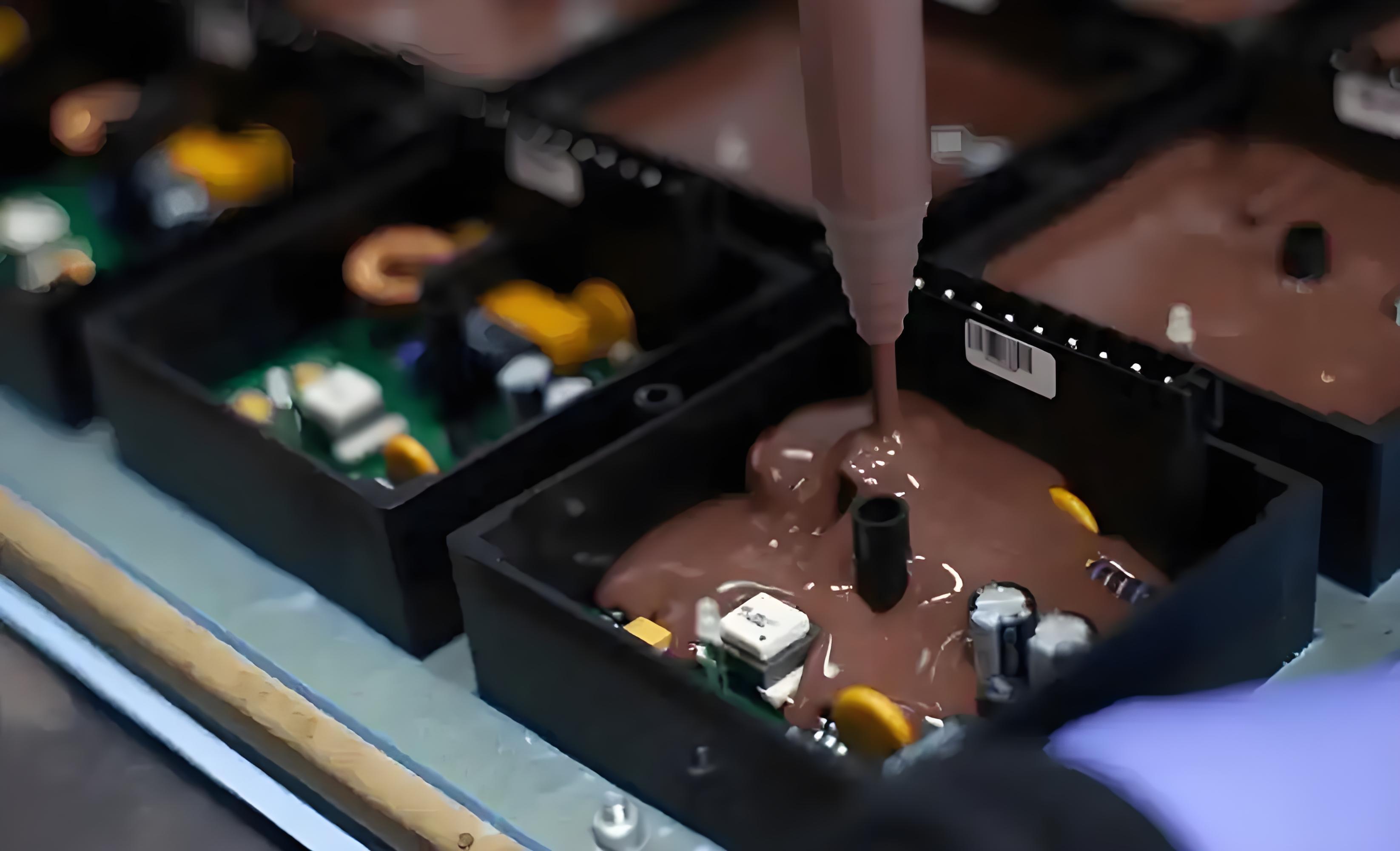
Curing time is too long.
In some cases, the curing time of polyurethane potting compounds may exceed expectations. This can be influenced by ambient temperature, humidity, adhesive quality, and the mixing ratio.
Solution:
To address the issue of excessively long curing times, users can adjust the temperature and humidity of the working environment to accelerate the curing process. At the same time, ensure that you use high‑quality polyurethane potting compounds purchased through authorized channels, and strictly follow the product instructions for mixing and application.
Bubbles appear after curing.
The selected product exhibits poor defoaming performance, allowing air to become entrapped during mixing and stirring, and no vacuum degassing was performed. Furthermore, prior to use, the product was not thoroughly mixed, resulting in an excess of polyol after blending, which also leads to bubble formation.
Solution:
To address the issue of bubbles after curing, users can select products with excellent degassing performance and, after mixing the base resin with the curing agent, subject the mixture to vacuum degassing. Preheating components intended for potting or encapsulation can help facilitate air release. Curing in a room with low temperature and humidity allows sufficient time for air to escape.
Poor adhesion to the substrate
After curing, if the polyurethane potting compound fails to achieve the expected strength or bonding performance, this may be due to inadequate surface preparation of the substrate or an incorrect mixing ratio.
Solution:
To address the issue of poor adhesion, first ensure that the substrate surface has been properly prepared through processes such as sanding and cleaning. Second, strictly adhere to the mixing ratios specified in the product instructions to fully optimize the adhesive’s performance.
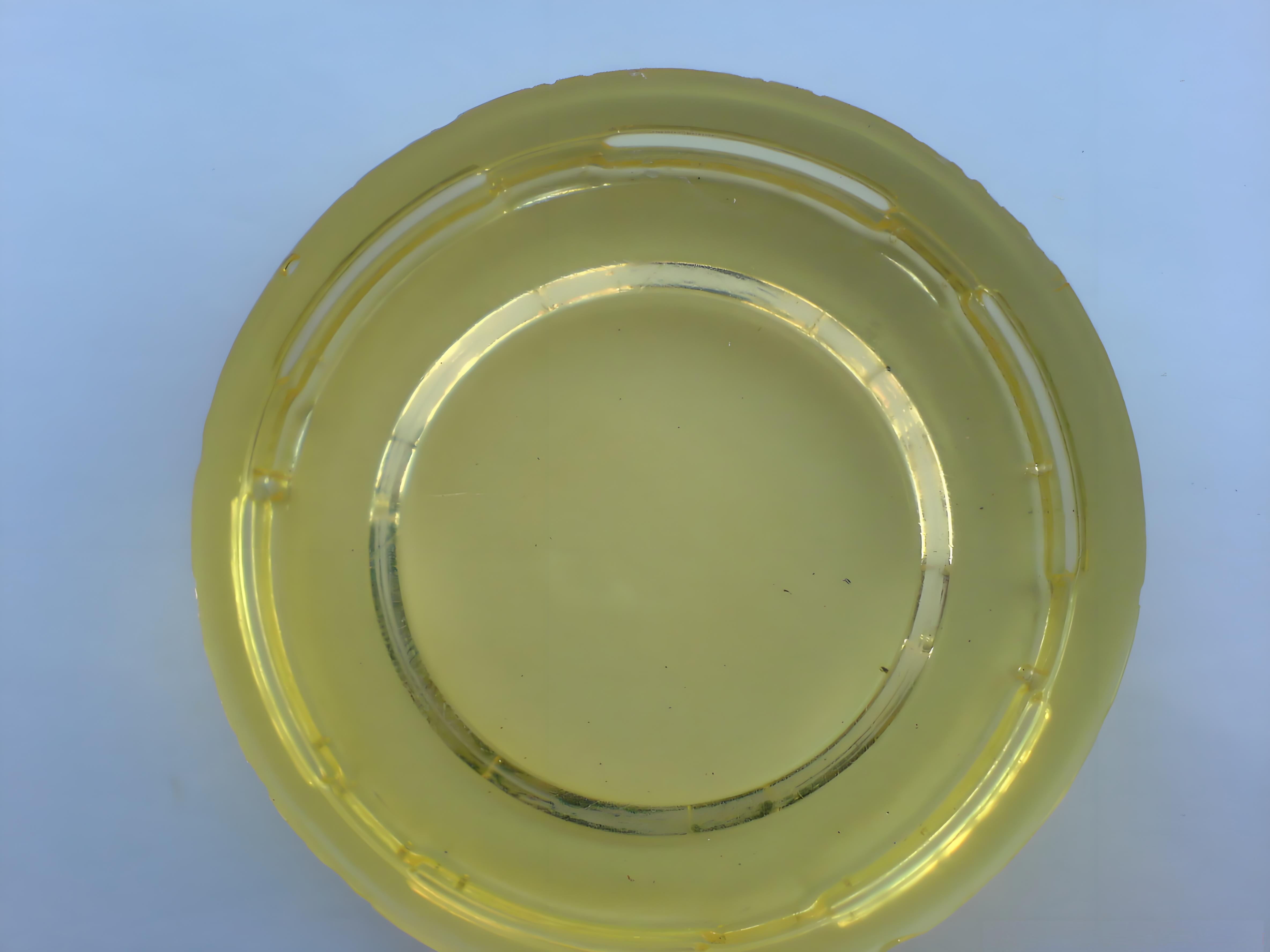
Color change or yellowing
During the curing process, polyurethane materials are influenced by environmental factors such as ultraviolet radiation, light exposure, ambient temperature, and air humidity, which can lead to yellowing after curing. Moreover, prolonged use and improper maintenance can further accelerate the aging and yellowing of polyurethane materials.
Solution:
To address the issue of color change or yellowing that occurs after polyurethane curing, select a formulation with superior resistance to… UV Polyurethane adhesives should be used to minimize the impact of light on color. During storage and application, avoid direct sunlight and high-temperature environments; store in a cool, dry place, and regularly clean, wipe down, and maintain polyurethane products.
The surface is uneven after solidification.
Excessive humidity or excessively low temperatures during application can prevent the polyurethane from curing fully, resulting in an uneven surface. Inadequate construction techniques or improper handling can also lead to incomplete curing, and the use of substandard materials may similarly cause surface irregularities.
Solution:
Maintaining appropriate humidity and temperature in the construction environment can effectively prevent incomplete curing of polyurethane. During application, pay close attention to technical details, follow the prescribed procedures, and use high-quality materials to help avoid surface irregularities.
If the surface of the polyurethane becomes severely uneven after curing and cannot be remedied by sanding, it is recommended to consider reapplication.
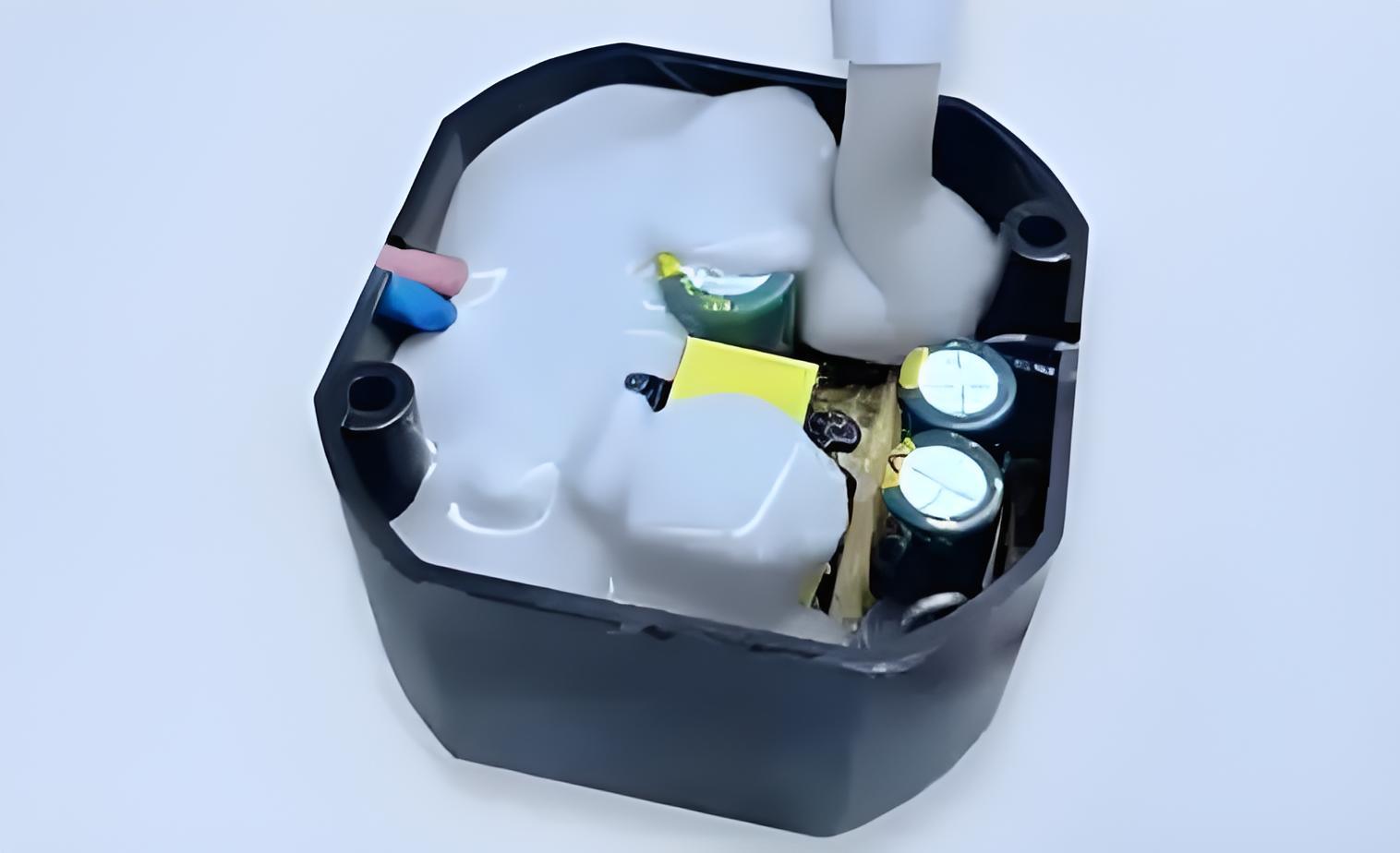
Polyurethane potting compound As a high‑quality sealing material, it can offer users significant convenience when used correctly. By addressing potential issues that may arise during application with appropriate solutions, we can ensure the product’s performance is fully realized. Hinnel It offers an extensive portfolio of innovative polyurethane potting compounds, featuring a wide range of mechanical properties, including gel-like characteristics, elastomeric behavior, impact resistance, and excellent dimensional stability. It can also provide transparent formulations suitable for clear‑coat applications. UV Solution: We can promptly respond to adhesive‑related inquiries. Customers are welcome to contact us for more information.
Note: Some content is sourced from the internet; please contact us for removal if there are any infringements.
>Recommended Reading

From automotive to industrial manufacturing, how do you choose the right adhesive for sensors?
Shanghai Hinnel
Nov 05,2026
How to choose potting compound for photovoltaic inverters? From operating conditions to materials.
Shanghai Hinnel
Nov 03,2026
Shanghai Hinnel
Oct 27,2026
How can we assist you?
