
An introduction to three common potting compounds: What are the characteristics and application scenarios of silicone, epoxy, and polyurethane potting compounds?
As electronic components become increasingly miniaturized, the requirements for safety and operational stability have grown ever more stringent. To meet these demands, it is common practice to encapsulate electrical components and circuit boards with potting compounds, thereby ensuring the desired performance. So, which type of potting compound offers superior thermal conductivity: epoxy resin, polyurethane, or silicone-based thermally conductive potting compound? Shanghai Hinnel New Materials Technology Co., Ltd. now presents the following comparative analysis of the performance characteristics of these potting products.
Shanghai Hinnel
Mar 25,2025


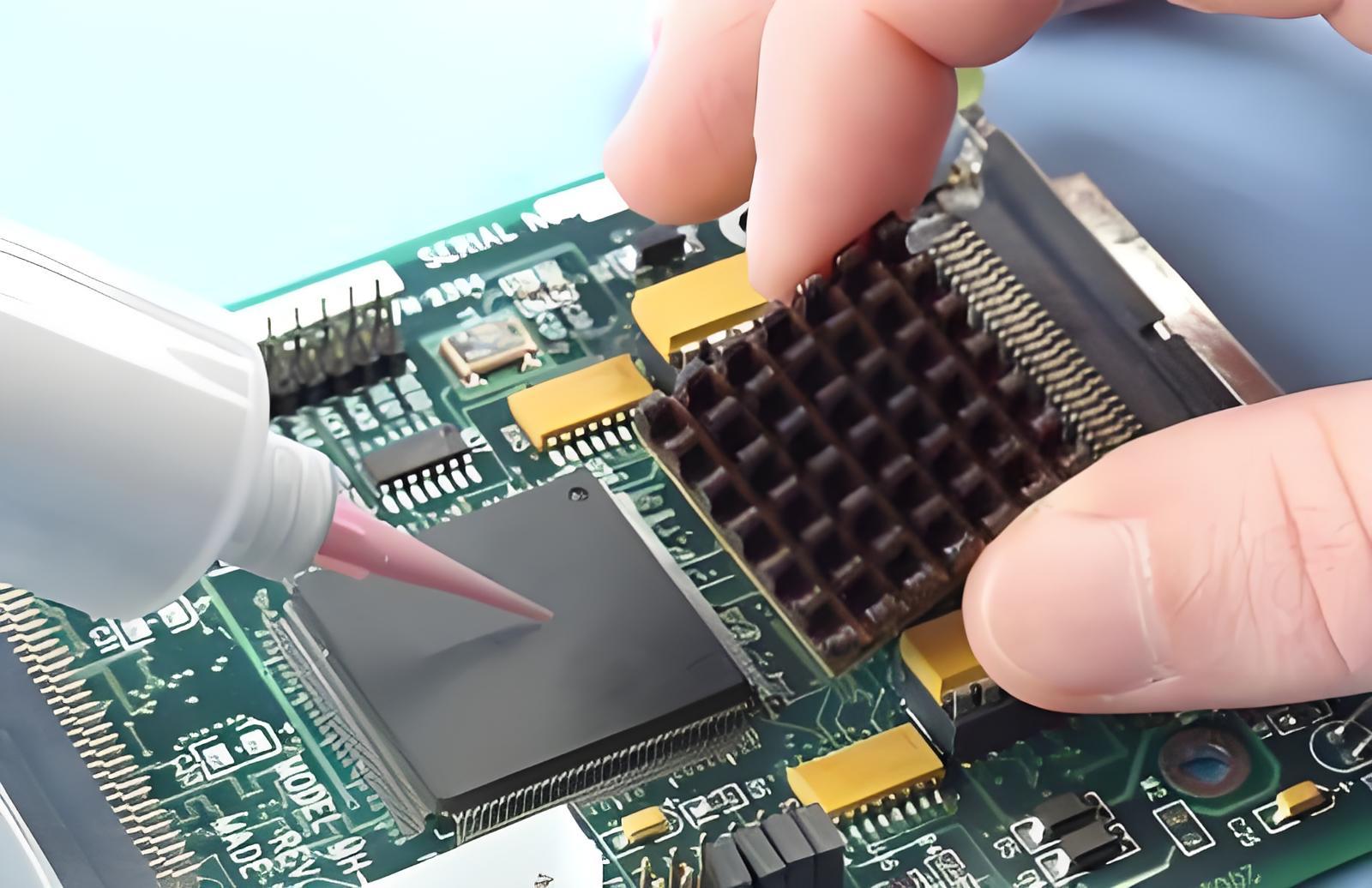
I. Organosilicon thermally conductive potting compound
Advantages: Organosilicone potting compounds are a class of electronic encapsulants, encompassing two major categories: silicone resins and silicone rubbers. Based on their application methods, they are further classified into one-component and two-component organosilicone potting compounds. These compounds are cost-effective and, upon curing, can achieve deep‑penetrating cure. A wide variety of organosilicone potting compounds exist, with significant differences in thermal stability, water resistance, electrical insulation, optical properties, adhesion to diverse substrates, and hardness; selection or formulation should be tailored to the specific application. Functionally, organosilicone potting compounds serve purposes such as shock absorption, electrical insulation, waterproofing, sealing, high‑ and low‑temperature resistance, and anti‑aging, making them suitable for encapsulating and protecting a broad range of electronic materials, components, and instrumentation.
Disadvantages: It is prone to poisoning, which is a form of non‑curing. Silicone potting compounds are relatively environmentally friendly; however, because platinum‑based curing agents are quite reactive, they can readily react with impurities, leading to contamination and poor adhesion. When used as potting or coating materials, improving the adhesion of silicone potting compounds typically requires pre‑treating the substrate with a primer or modifying it with adhesion promoters, making the process rather cumbersome.
Product用途: Potting, sealing, and thermal management protect electronic components from external moisture, contamination, and other environmental hazards; thermal‑conductive potting for power supplies, controllers, and high‑power heat‑generating devices; insulating and waterproof potting for sensors and small electrical components; sealing, thermal conduction, and noise reduction for coils; vibration‑damping protection for precision electronic parts; waterproof potting for luminaires and junction boxes; and thermally conductive potting for lithium‑ion battery packs and the electronic control systems of new‑energy vehicles.
Advantages: The advantages of epoxy resin electronic potting compounds are primarily reflected in their hardness and electrical insulation after curing. Although some modified formulations exhibit a softer cured state, overall, epoxy potting compounds maintain relatively high hardness. At the same time, they offer excellent adhesion to various substrates and outstanding resistance to acids and alkalis. Furthermore, these adhesives demonstrate good thermal stability, typically reaching 150 ℃. If an epoxy encapsulant made from a transparent material is selected, its light transmittance is also quite excellent.
Disadvantages: Epoxy resins have relatively limited temperature resistance and poor tolerance to thermal cycling; they are prone to cracking under thermal shock, allowing moisture to penetrate electronic components through these cracks and resulting in inadequate moisture protection. Moreover, once cured, the material exhibits high hardness but is quite brittle, which can easily damage electronic parts. After potting, the assembly cannot be reopened, and repairability is poor. High‑quality epoxy potting compounds can mitigate these issues.
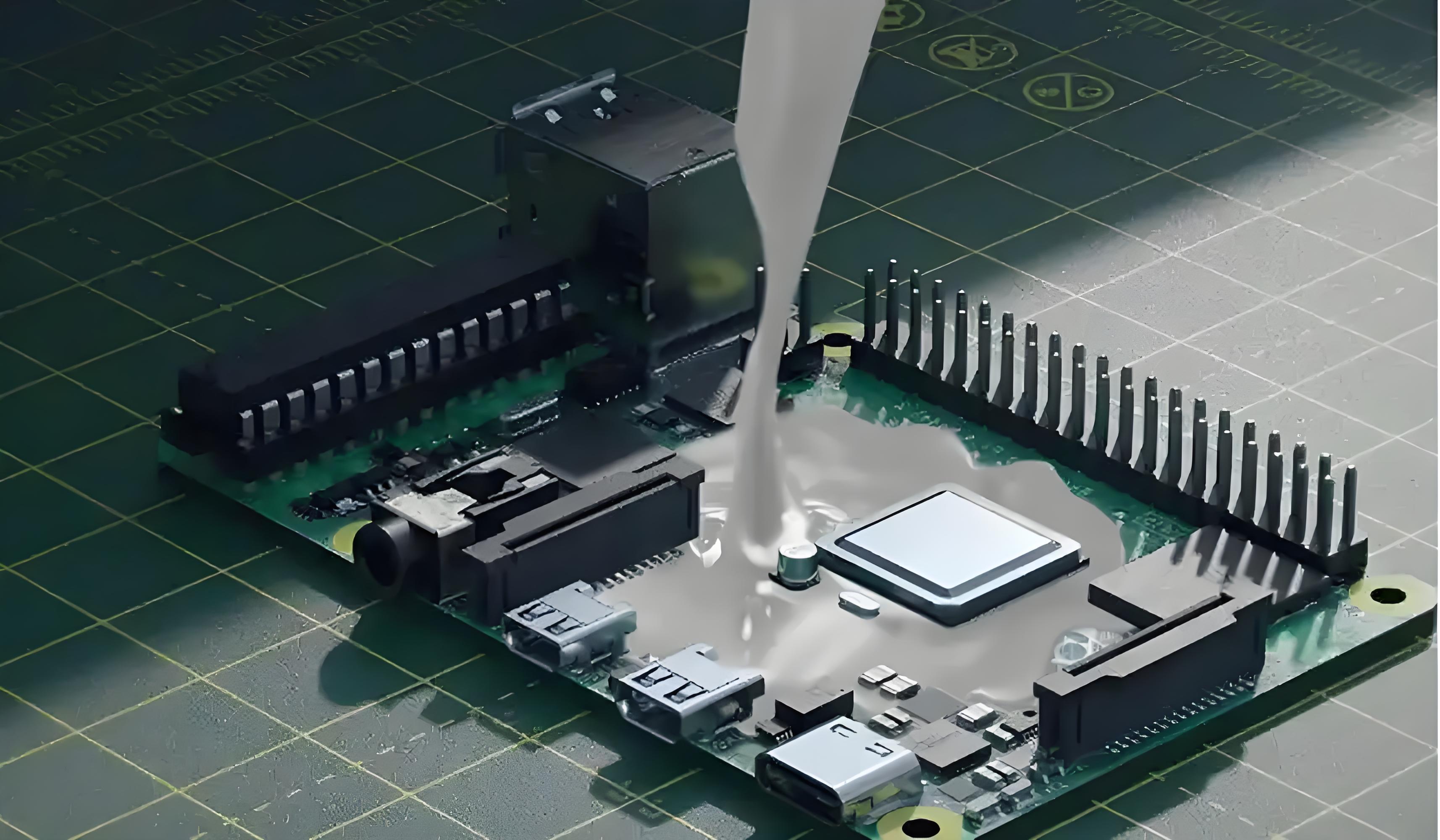
Product用途: Encapsulation and protection of automotive electronics and sensors; insulating encapsulation for transformers, capacitors, and current transformers; encapsulation of automotive ignition coils and explosion-proof power supplies; bonding and sealing of water‑treatment membrane modules; waterproof encapsulation for smart water meters; and encapsulation of stators for various types of motors, including industrial linear motors, fan motors, and drive motors for new‑energy vehicles.
III. Polyurethane potting compound
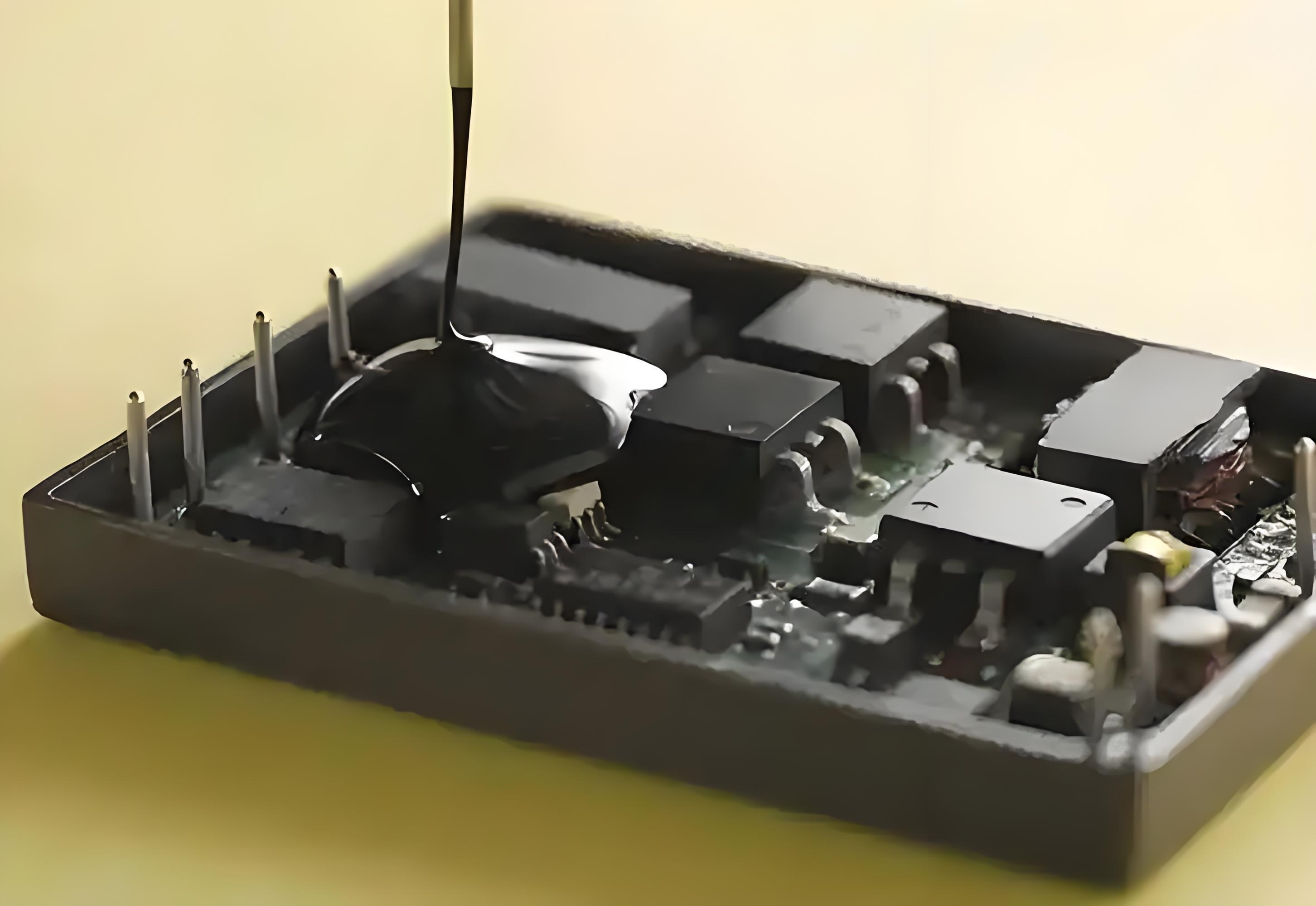
Advantages: Polyurethane potting compound is also known as PU Potting compounds, once cured, are typically soft and elastic, making them repairable; they are commonly referred to as “soft gels.” Their adhesion lies between that of epoxies and silicones, and their temperature resistance is moderate, generally not exceeding… 150 ℃; after potting, a considerable number of bubbles tend to form, so the potting process must be carried out under vacuum. Its adhesion lies between that of epoxy and silicone. It exhibits excellent low-temperature resistance, and its shock‑absorption performance is among the best of the three. It features low hardness, moderate strength, good elasticity, water resistance, mold resistance, shock resistance, and transparency, along with superior electrical insulation and flame retardancy. It is non‑corrosive to electrical components and compatible with metals such as steel, aluminum, copper, and tin. , It also exhibits good adhesion to materials such as rubber, plastics, and wood.
Disadvantages: Polyurethane PU Encapsulating adhesives exhibit relatively poor electrical insulation performance and may not be suitable for applications with extremely stringent electrical‑performance requirements. Additionally, they can undergo a degree of shrinkage during curing, necessitating precise control of the application process to prevent defects.
Product用途: Encapsulation and protection for automotive electronic components, sensors, and electrical/electronic systems; effective protection and insulation for electrical and electronic devices such as transformers, chokes, and capacitors, ensuring uniform heat dissipation across all parts; thermally conductive, waterproof encapsulation for industrial power supplies and controllers; and waterproof encapsulation and protection for charging guns used in new‑energy vehicles, among other applications.
Hinnel New Materials believes that epoxy potting compounds, silicone potting compounds, and polyurethane potting compounds each have their own advantages in application. For example, if a product requires good adhesion when using a potting compound, an epoxy-based potting compound should be considered first. If higher temperature resistance is required—for instance, for low-temperature applications— -50℃ The following is high temperature. 250℃ In summary, for applications requiring vibration‑damping performance, consider silicone potting compounds; for other needs, polyurethane potting compounds are a suitable choice. If your application requirements extend beyond these considerations, we recommend consulting with us. We can provide technical support and evaluation to help you identify the most appropriate adhesive solution for your specific use case.
Note: Some content is sourced from the internet; please contact us for removal if there are any infringements.
>Recommended Reading

From automotive to industrial manufacturing, how do you choose the right adhesive for sensors?
Shanghai Hinnel
Nov 05,2026
How to choose potting compound for photovoltaic inverters? From operating conditions to materials.
Shanghai Hinnel
Nov 03,2026
Shanghai Hinnel
Oct 27,2026
How can we assist you?
