
Why are adhesives used in automotive display screens?
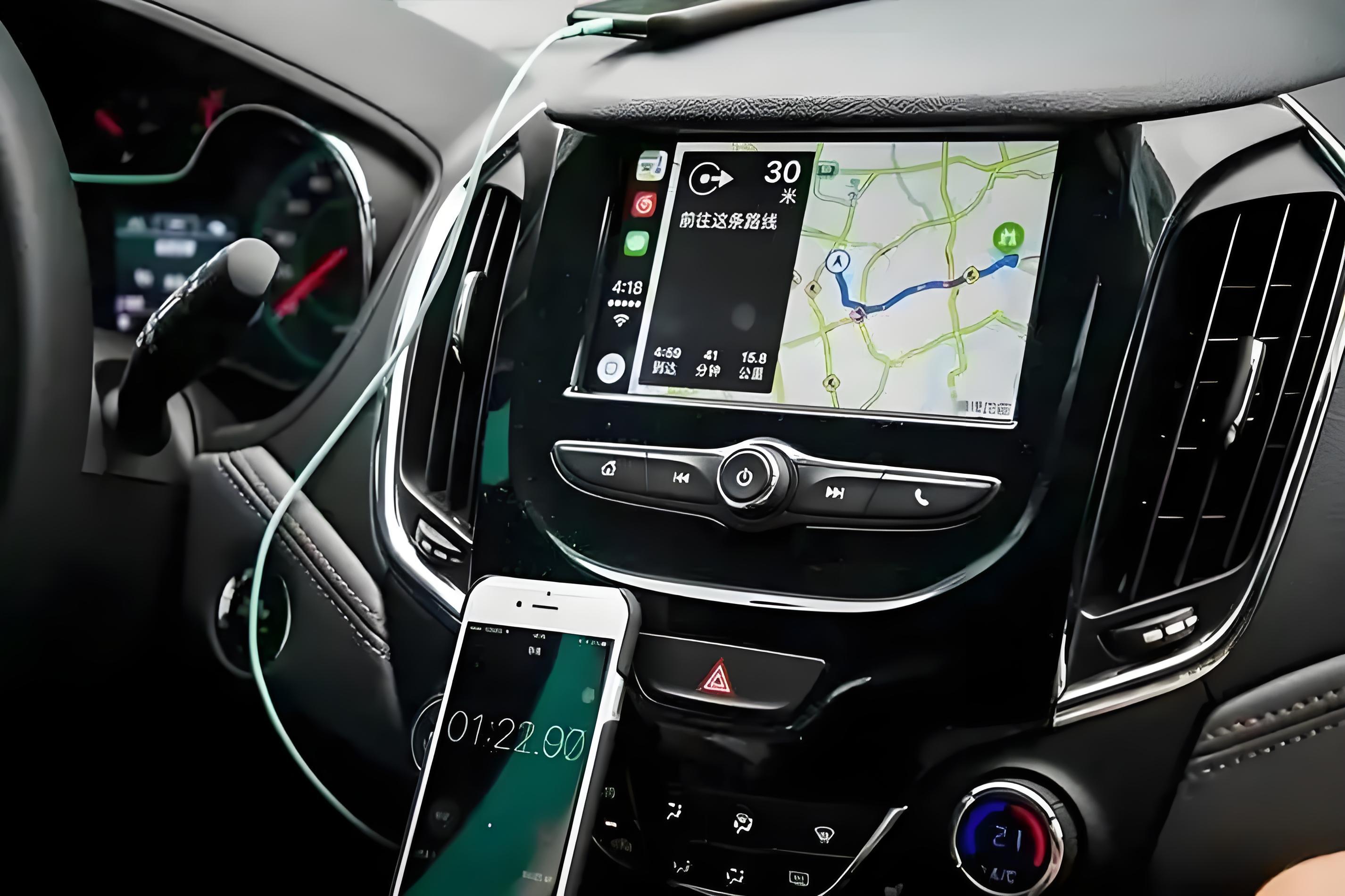
The adhesive used for sealing the car’s central control screen is extremely important, as it ensures both the screen’s stability and its airtight seal. In the automotive manufacturing process, several common adhesives are employed to secure the central control screen, including silicone adhesive, epoxy resin adhesive, hot-melt adhesive, and UV-curable adhesive. Shanghai Hinnel New Materials Technology Co., Ltd. introduces the benefits of dispensing adhesive on in-vehicle screens.
Shanghai Hinnel
Nov 12,2021


As a critical tool for information display and human–machine interaction, in‑vehicle displays typically comprise a screen, a controller, a power supply, and other components, providing drivers and passengers with a wealth of information. In the manufacturing process, to protect the display panel and accommodate diverse design requirements and applications, manufacturers are increasingly turning to adhesives.
I. Organic Silicone Gel
Silicone rubber boasts excellent high-temperature resistance and weatherability, enabling it to maintain long-term stability even in harsh environments. Moreover, it offers superior adhesion, effectively securing the central control display while providing robust vibration resistance, thereby ensuring that the display remains firmly in place during vehicle operation.
II. Epoxy Resin Adhesive
Epoxy adhesive boasts excellent bonding and corrosion‑resistance properties, ensuring a tight and robust bond between the center console display and the vehicle body. Compared with silicone sealant, epoxy exhibits greater hardness after curing, effectively reducing the risk of deformation and cracking under stress.
III. Hot-Melt Adhesive
Hot-melt adhesive features rapid curing, enabling strong bonding in a short time and ensuring secure mounting of the central control screen. Moreover, it offers excellent high-temperature resistance and vibration‑damping properties, making it well suited to withstand the vibrations experienced by vehicles on challenging road conditions.
IV. UV glue
UV Adhesives offer advantages such as rapid curing, high transparency, and excellent weather resistance, enabling them to meet the aesthetic requirements of automotive center‑console displays while ensuring structural stability. However, UV The adhesive exhibits relatively poor high-temperature resistance and cannot meet the demands of high-temperature environments.
Why do automotive displays require adhesives?
1. Enhancing screen stability: Dispensing adhesive improves the bond between the screen and the vehicle, ensuring the screen is securely mounted and thereby increasing its overall stability.
2. Screen protection: During vehicle operation, the screen may be subjected to various external factors that can cause damage. Dispensing adhesive can fill the gap between the screen and the frame, mitigating the impact of these factors and thereby protecting the screen.
3. Enhance screen durability: Dispensing adhesive offers abrasion resistance, thereby improving the screen’s robustness and extending its service life.
4. Enhanced visual performance: Dispensing adhesive can seal out dust and moisture, resulting in superior screen display quality.
5. Reducing noise transmission: Dispensing adhesive can minimize screen vibrations during operation, thereby lowering noise levels.
6. Thinner body: Dispensing adhesive enables the display to be thinner and more aesthetically pleasing.
In summary, dispensing adhesive on in-vehicle displays offers numerous advantages, including enhanced stability, screen protection, increased durability, improved visual performance, reduced noise transmission, and a slimmer device profile, thereby boosting both the safety and comfort of the vehicle.
Note: Some content is sourced from the internet; please contact us for removal if there are any copyright infringements.
Previous page:
Next page:
>Recommended Reading

From automotive to industrial manufacturing, how do you choose the right adhesive for sensors?
Shanghai Hinnel
Nov 05,2026
How to choose potting compound for photovoltaic inverters? From operating conditions to materials.
Shanghai Hinnel
Nov 03,2026
Shanghai Hinnel
Oct 27,2026
How can we assist you?
