
Waterproof sealant for vehicle-mounted cameras—professional adhesive to ensure safe driving!
With the continuous advancement of automotive technology, an increasing number of mid- to high-end models are equipped with onboard cameras for functions such as reversing and detecting moving objects. In some premium vehicles, as many as eight cameras are even installed. It is expected that the number of cameras in cars will continue to rise in the future, potentially even replacing rearview mirrors. So, what kind of adhesive is used to seal and waterproof automotive cameras? Shanghai Hinnel New Materials Technology Co., Ltd. is here to introduce it to you.
Shanghai Hinnel
Mar 04,2025


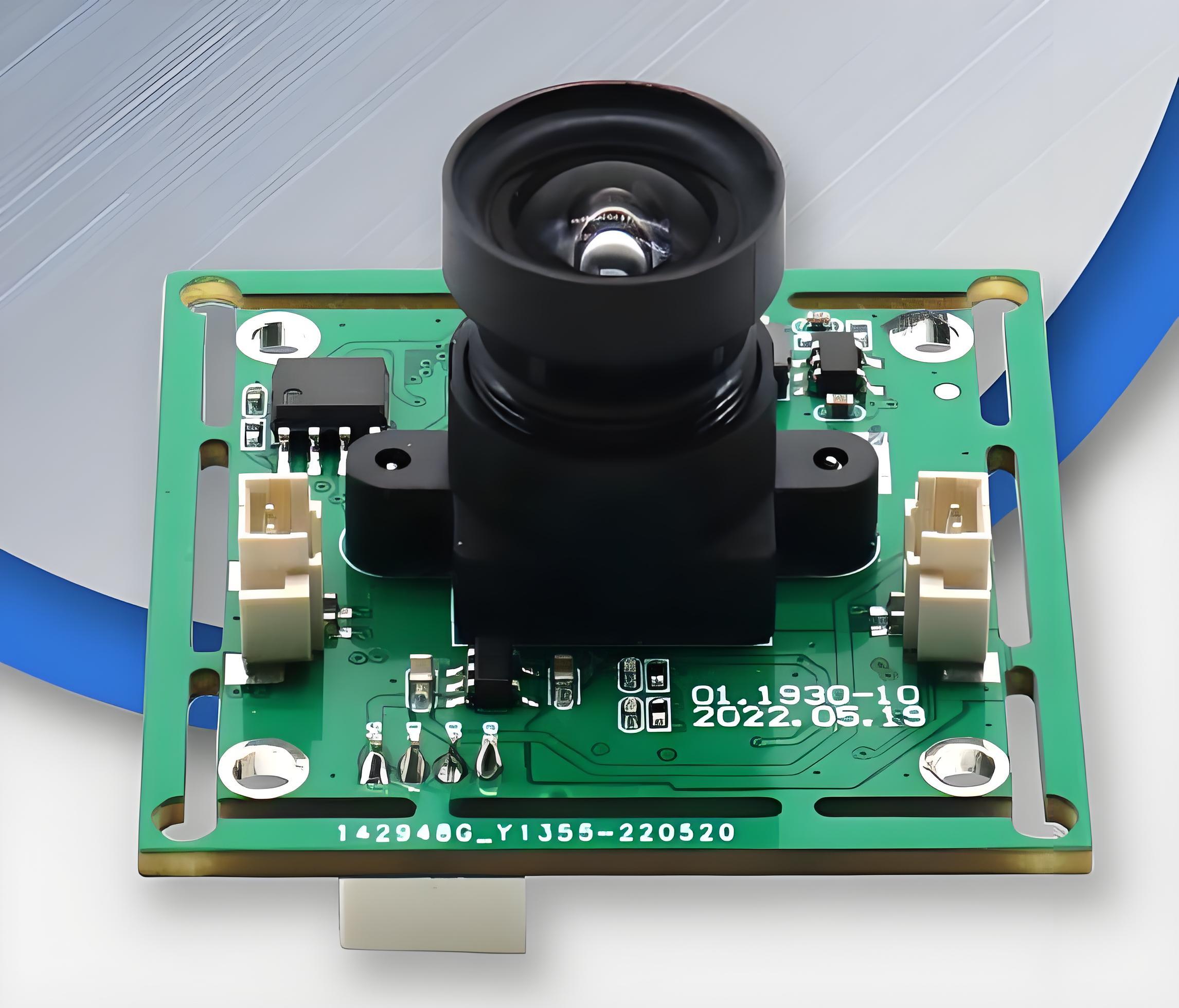
First, why do automotive cameras require high-quality, sealant‑grade waterproof adhesive?
Vehicle-mounted cameras are typically installed in exposed locations on the exterior or interior of the car, such as the rearview mirror, front bumper, and tailgate. These positions are highly susceptible to the following factors:
Moisture and Water Damage: Rainwater, car-washing water, and even high-pressure water jets can all compromise a camera’s waterproof performance.
Vibration and Shock: Bumps and impacts during vehicle operation require sealing materials to exhibit excellent vibration‑damping performance.
Extreme temperature fluctuations: The in-vehicle camera needs to be in -40°C to 80°C It can even operate normally within a higher temperature range.
Ultraviolet radiation and chemical corrosion: Outdoor cameras are exposed to ultraviolet radiation over long periods and may come into contact with automotive cleaning agents or other chemicals.
Therefore, selecting a sealant‑waterproof adhesive with high adhesion, excellent weather resistance, rapid curing, and good elasticity is essential to ensure the stable operation of in‑vehicle cameras.
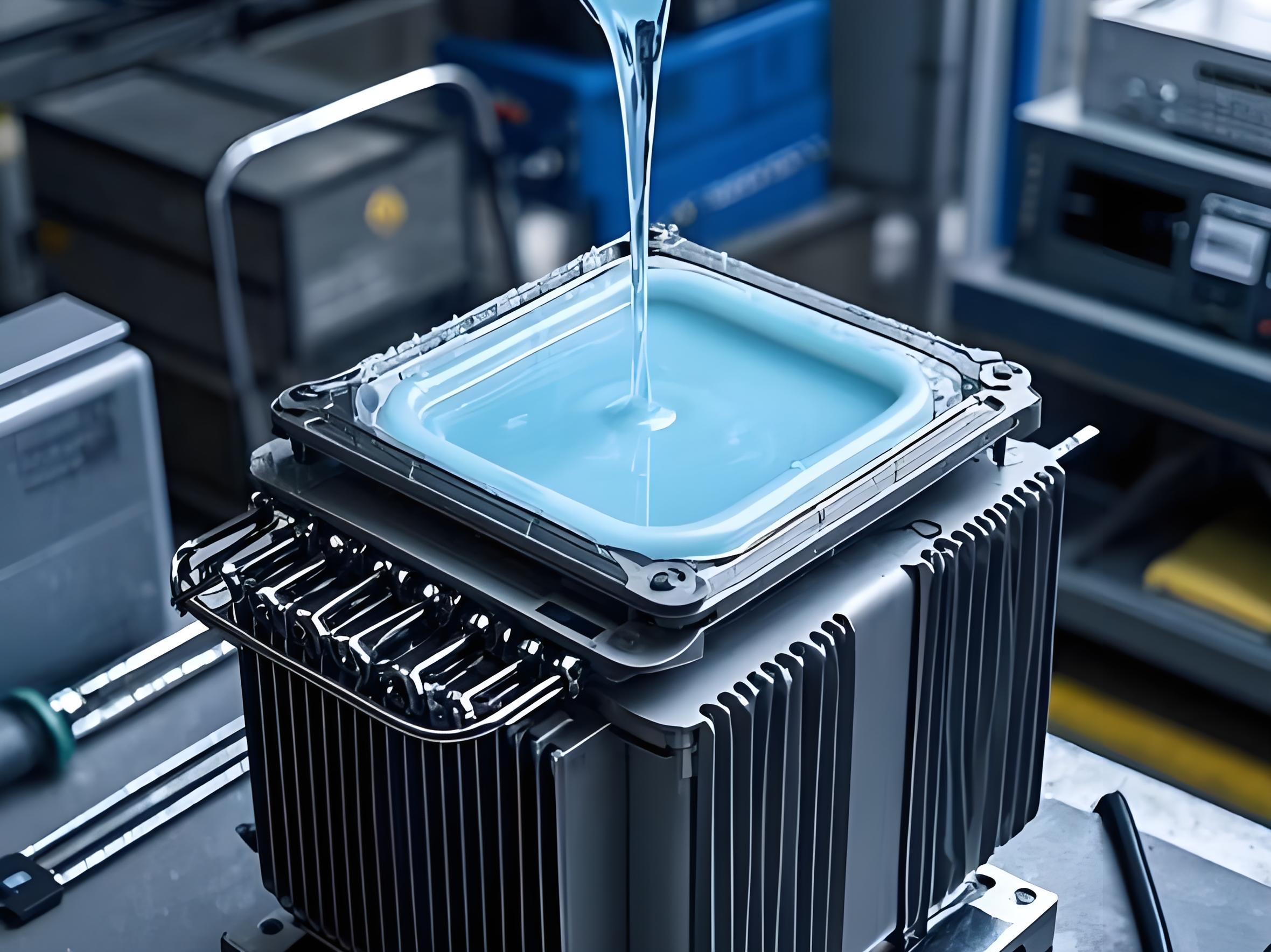
Hinnel HNSIL 706 Silicone sealant
Application scenarios: Cameras are typically mounted on the exterior of a vehicle, so it is essential to ensure their air-tightness. HNSIL 706 Silicone sealant, used for bonding and sealing camera housing frames, filling and sealing gaps, as well as bonding and securing components.
Features: Thixotropic paste that does not flow, with high transparency, moisture‑resistant and water‑repellent properties, and excellent electrical insulation and chemical resistance, ensuring stable performance and long service life for electronic and electrical products. Moreover, it boasts a wide operating temperature range and maintains consistent performance even under extreme temperature fluctuations.
Hinnel HNEP6220 Epoxy potting compound
Application scenarios: HNEP6220 Epoxy potting compounds are commonly used in camera module encapsulation for bonding and reinforcing image sensors. Thanks to their excellent adhesion and superior high-temperature resistance, they are particularly well suited for applications with stringent reliability requirements.
Features: Epoxy potting compounds cure under heat and, once cured, exhibit high strength, high hardness, and excellent chemical resistance. They also provide superior electrical insulation properties.
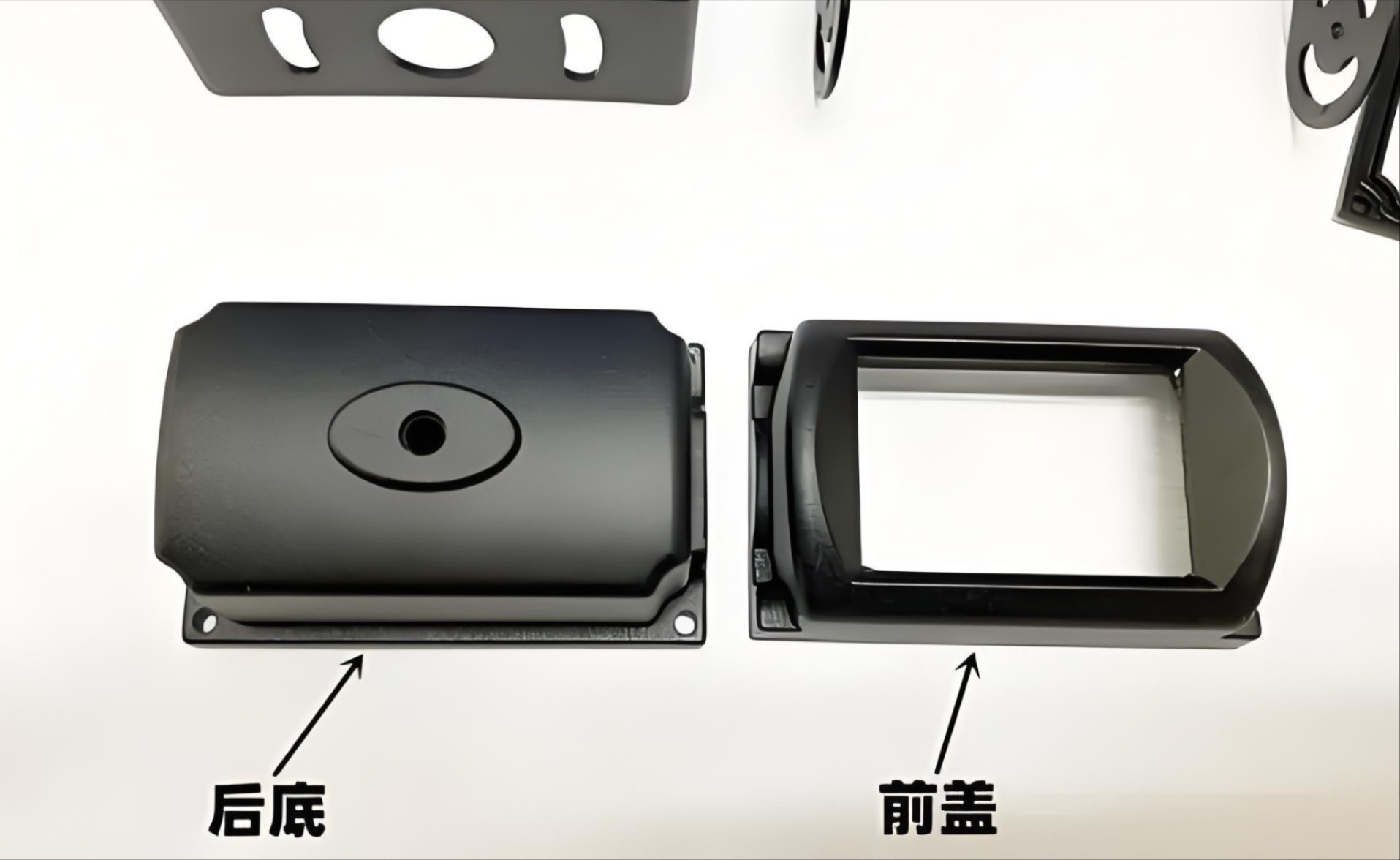
Choosing the right adhesive is a crucial step in enhancing product quality and extending service life, and these two adhesives are undoubtedly the perfect solution for challenging substrates. If you’re looking for an adhesive that can deliver stable bonding and waterproof performance even under harsh conditions, it’s definitely worth a try. Hinnel has been specializing in electronic adhesives for many years—please contact us for more information on potting compounds!
Note: Some content is sourced from the internet; please contact us for removal if there are any infringements.
>Recommended Reading

From automotive to industrial manufacturing, how do you choose the right adhesive for sensors?
Shanghai Hinnel
Nov 05,2026
How to choose potting compound for photovoltaic inverters? From operating conditions to materials.
Shanghai Hinnel
Nov 03,2026
Shanghai Hinnel
Oct 27,2026
How can we assist you?
