
Will electronic potting compounds cause corrosion to electronic components?
Electronic potting compounds, as a critical protective material, have been widely used in the electronics industry. They not only ensure the stability and reliability of electronic components but also support the development of various cutting-edge technologies. Shanghai Hinnel New Materials Technology Co., Ltd. introduces: Do electronic potting compounds cause corrosion to electronic components?
Shanghai Hinnel
Jul 20,2026


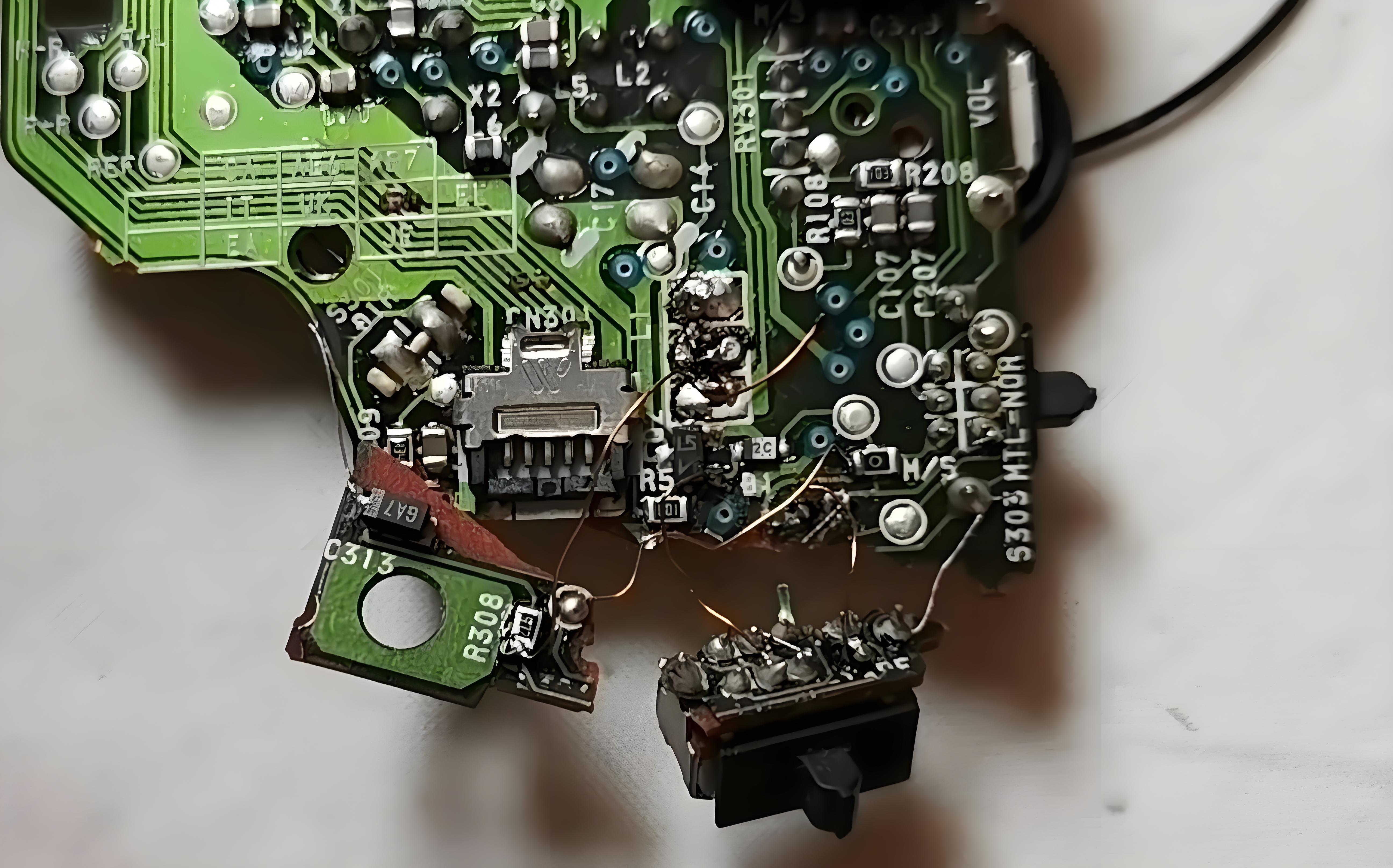
Electrical potting compounds do not corrode electronic components because, after potting, they form a hermetic seal that protects the components and prevents the ingress of external moisture and water. Moreover, once cured, they develop an elastic volume that helps safeguard the components against delamination or debonding during vibration.
However, improper use—such as incorrect application or exceeding the product’s specified operating range—can degrade the performance of electronic potting compounds or adversely affect electronic components. Therefore, when using electronic potting compounds, it is essential to follow the recommended application procedures and observe all safety precautions to ensure optimal product performance and long-term stability.
The main applications of electronic potting compounds include the following areas:
1. Potting: Electronic potting compounds can secure electronic components to the substrate and fill the gaps between them, creating a sealed circuit board. This potting protects the board from environmental factors such as temperature, humidity, dust, and vibration, while also enhancing its insulation performance and mechanical strength.
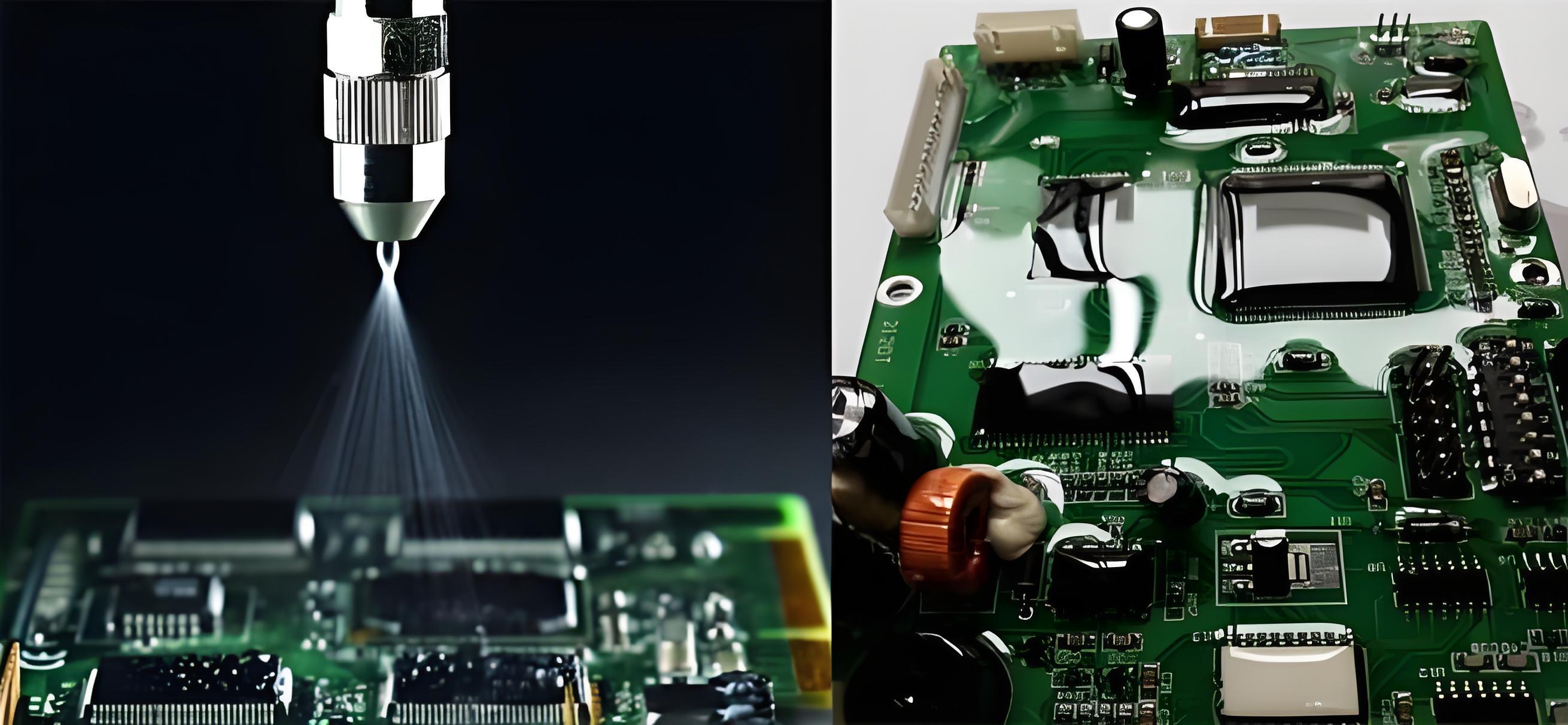
2. Bonding: Electronic potting compounds can be used to bond various electronic components, such as capacitors, resistors, inductors, transistors, and integrated circuits. They form robust joints and enhance the mechanical strength and stability of the components.
3. Protection: Electronic potting compounds can safeguard electronic components from mechanical damage and chemical corrosion. In some cases, they also help mitigate electromagnetic interference, ensuring the circuit operates reliably.
4. Thermal Management: Certain electronic potting compounds exhibit excellent thermal conductivity, enabling them to dissipate heat generated by electronic components, thereby reducing component temperatures and extending the service life of electronic products.
5. Sealing: Electronic potting compounds can seal the housings of electronic devices, preventing moisture and dust from entering the interior and ensuring the product’s stability and reliability.
Applications of electronic potting compounds in the electronics industry:
1 Sensor encapsulation: Electronic potting compounds are widely used for sensor encapsulation, protecting sensor elements and circuitry, preventing damage, and ensuring reliable operation. Recommended usage: 9001AB-3TQ、9001AB Epoxy potting compound, transparent flexible epoxy potting compound—fast curing, yellowing‑resistant, excellent adhesion to plastic housings, resistant to delamination, with superior waterproof performance, low shrinkage, and strong bonding strength.
2、 LED Encapsulation: in LED In lamp encapsulation, electronic potting compounds can provide protection. LED Chips, circuit boards, and solder joints, improve LED The durability and stability of the lamp. Recommended use: HN733W Silicone sealant—highly transparent, titanium‑ester‑free adhesive sealant with excellent bonding strength; low volatility and low odor; after curing, it exhibits superior elasticity and high strength, making it ideal for sealing and waterproofing as well as for bonding and fixing applications.
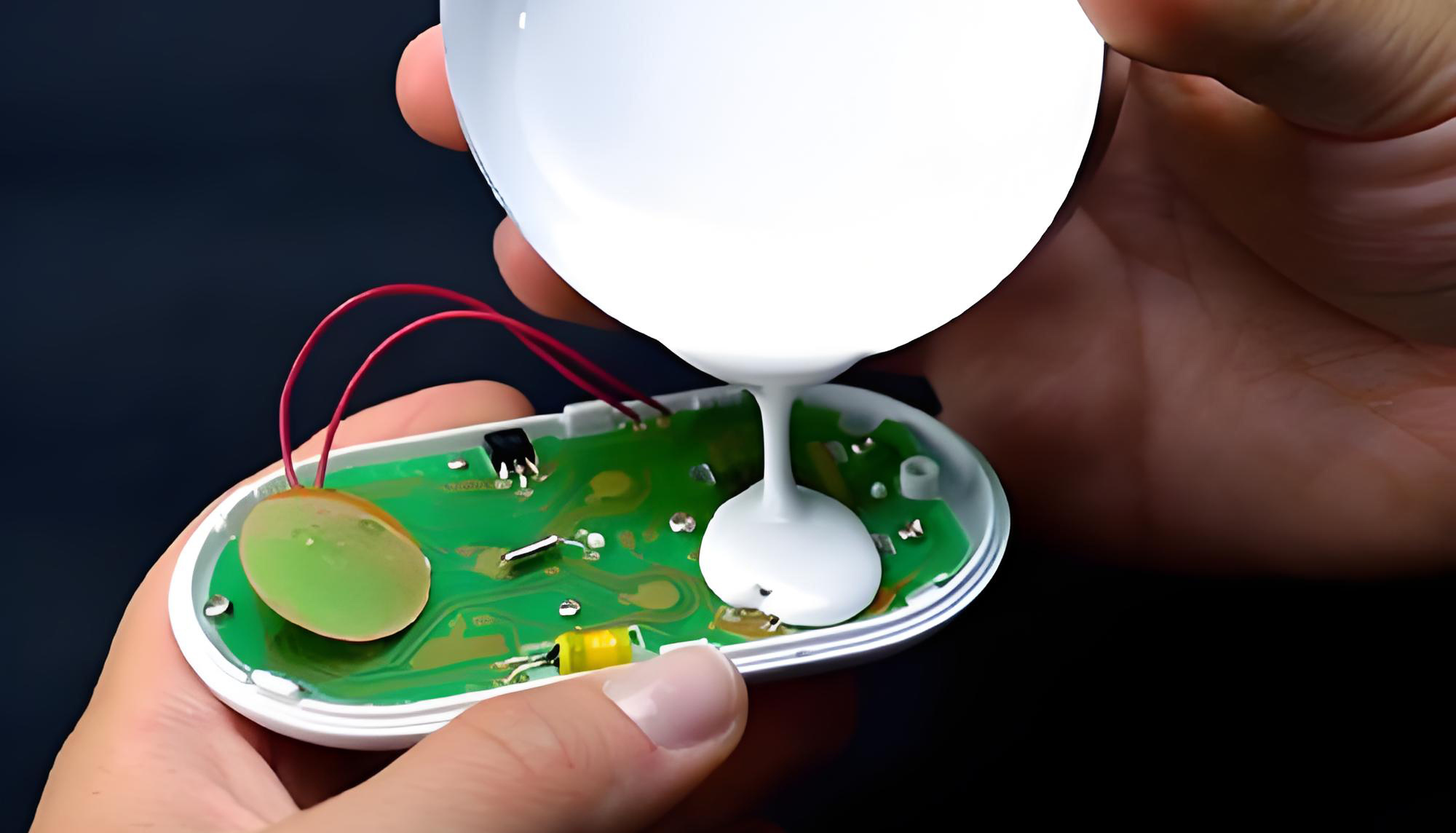
3 Semiconductor packaging: With the advancement of microelectronics technology, integrated circuits are becoming increasingly miniaturized while demanding ever‑higher performance. Electronic potting compounds play a crucial role in this field, providing both physical and chemical protection for miniature chips and ensuring their reliable operation under a wide range of environmental conditions. Recommended application: HN8730 Organosilicone potting compound—thermally conductive, flame-retardant, and resistant to poisoning. It offers excellent permeability, a long working life, and rapid curing.
4、 PCB (Printed Circuit Board) Protection: PCB It is a core component of modern electronic devices. Electronic potting compounds are… PCB It provides a uniform protective coating that shields the circuit from external environmental factors, ensuring stable operation. Recommended for use: PU550AB/PU550-2 Polyurethane potting compound, with excellent self‑venting properties and superior resistance to dual… 85 Performance (can withstand 1000 more than one hour), excellent resistance to thermal shock ( -45~125℃ ), exhibiting good adhesion to metals, plastics, wire harnesses, and more.
In summary, electronic potting compounds, as an essential type of electronic sealing material, play a vital role in the modern electronics industry. They not only safeguard electronic components from environmental factors and mechanical damage but also enhance the insulation performance and mechanical strength of circuit boards. As the electronics industry continues to evolve and demand grows, the market prospects for electronic potting compounds are expected to expand further.
Note: Some content is sourced from the internet; please contact us for removal if there are any copyright infringements.
>Recommended Reading

Shanghai Hinnel
Nov 12,2026
From automotive to industrial manufacturing, how do you choose the right adhesive for sensors?
Shanghai Hinnel
Nov 05,2026
How to choose potting compound for photovoltaic inverters? From operating conditions to materials.
Shanghai Hinnel
Nov 03,2026
How can we assist you?
