
What is the purpose of potting compound on a circuit board?
Circuit boards are one of the common components in various electronic products, typically composed of electronic components and wiring. Circuit board potting compounds are a widely used material for protecting circuit boards. So, what role does electronic potting compound play on circuit boards? Shanghai Hinnel New Materials Technology Co., Ltd. is here to introduce it—let’s take a look!
Shanghai Hinnel
Jul 20,2026


1. Circuit Board Protection: During operation, electronic components can be subject to external interference, and environmental changes may also affect their sensitivity and other performance characteristics. Conformal coating effectively shields circuit boards from adverse factors such as moisture, dust, grease, corrosion, and mechanical impact, thereby extending the board’s service life.
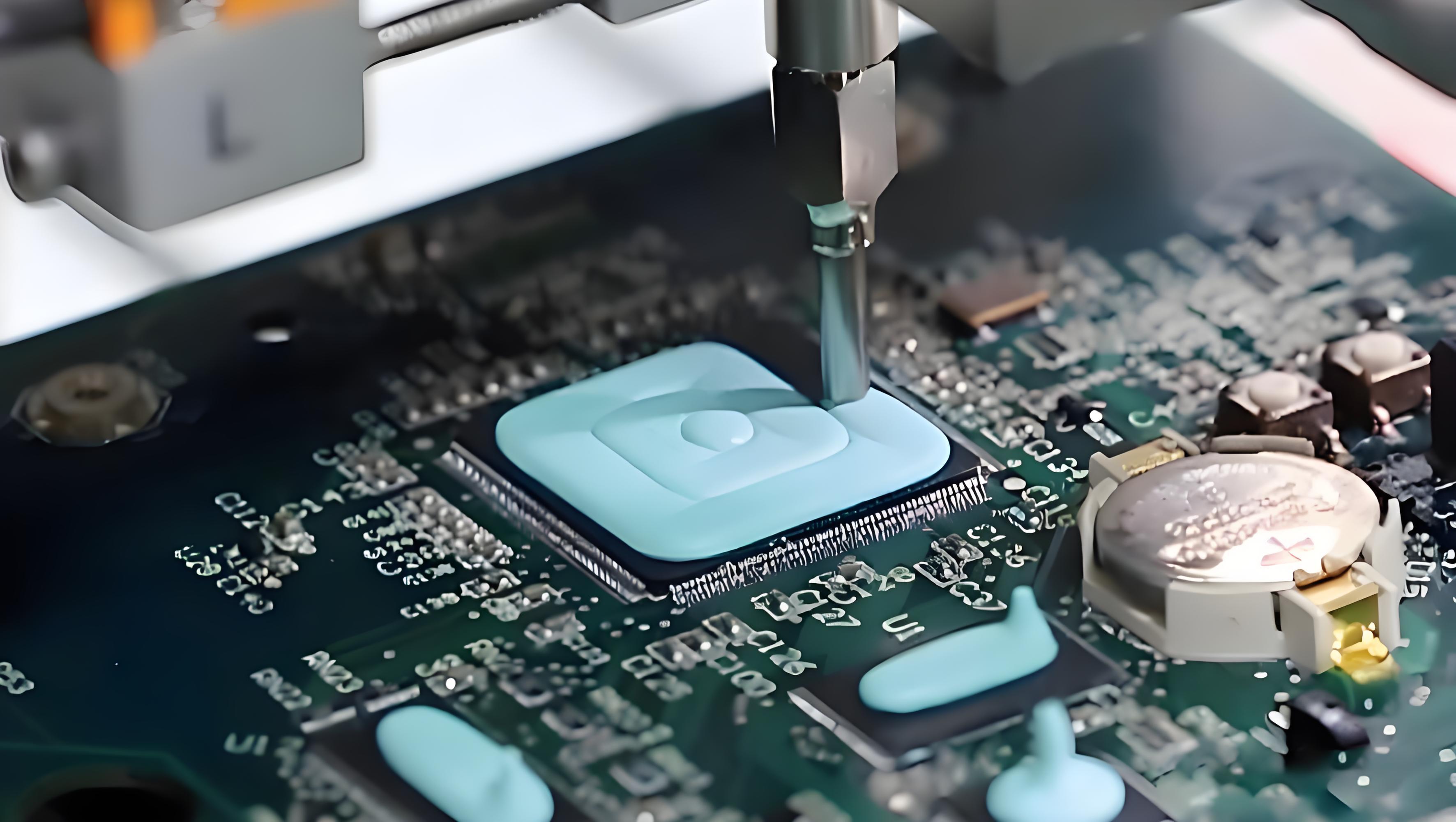
2. Enhancing the mechanical strength of circuit boards: Encapsulating potting compounds can form a protective layer on the board’s surface, boosting its mechanical strength and improving its vibration resistance and impact resistance.
3. Electromagnetic Interference Prevention: Conformal coating on circuit boards can effectively mitigate electromagnetic interference, ensuring the board’s reliable operation.
4. Enhancing Safety: When electronic devices are in operation, they generate substantial heat. This heat is conducted through the device’s metal enclosure into the surrounding environment. At this point, potting compounds act as thermal interface materials, absorbing the heat and converting it into their own thermal energy, which is then dissipated into the surroundings via convection and radiation, thereby reducing the internal temperature of the device. Additionally, potting compounds for circuit boards help prevent damage that could lead to short circuits or electrical leakage, thus improving the overall safety of the board during use.
The process of potting circuit boards typically involves the following steps:
1. Preparation: Select an appropriate potting compound and prepare the potting equipment and necessary tools.
2. Clean the circuit board: Thoroughly clean the surface of the circuit board to be encapsulated, ensuring it is free of contaminants and oil.
3. Coating with potting compound: Apply the potting compound to the surface of the circuit board, ensuring proper thickness and uniformity.
4. Curing: Perform curing according to the requirements of the potting material.
5. Cleaning: Remove excess potting compound and thoroughly clean the circuit board surface.
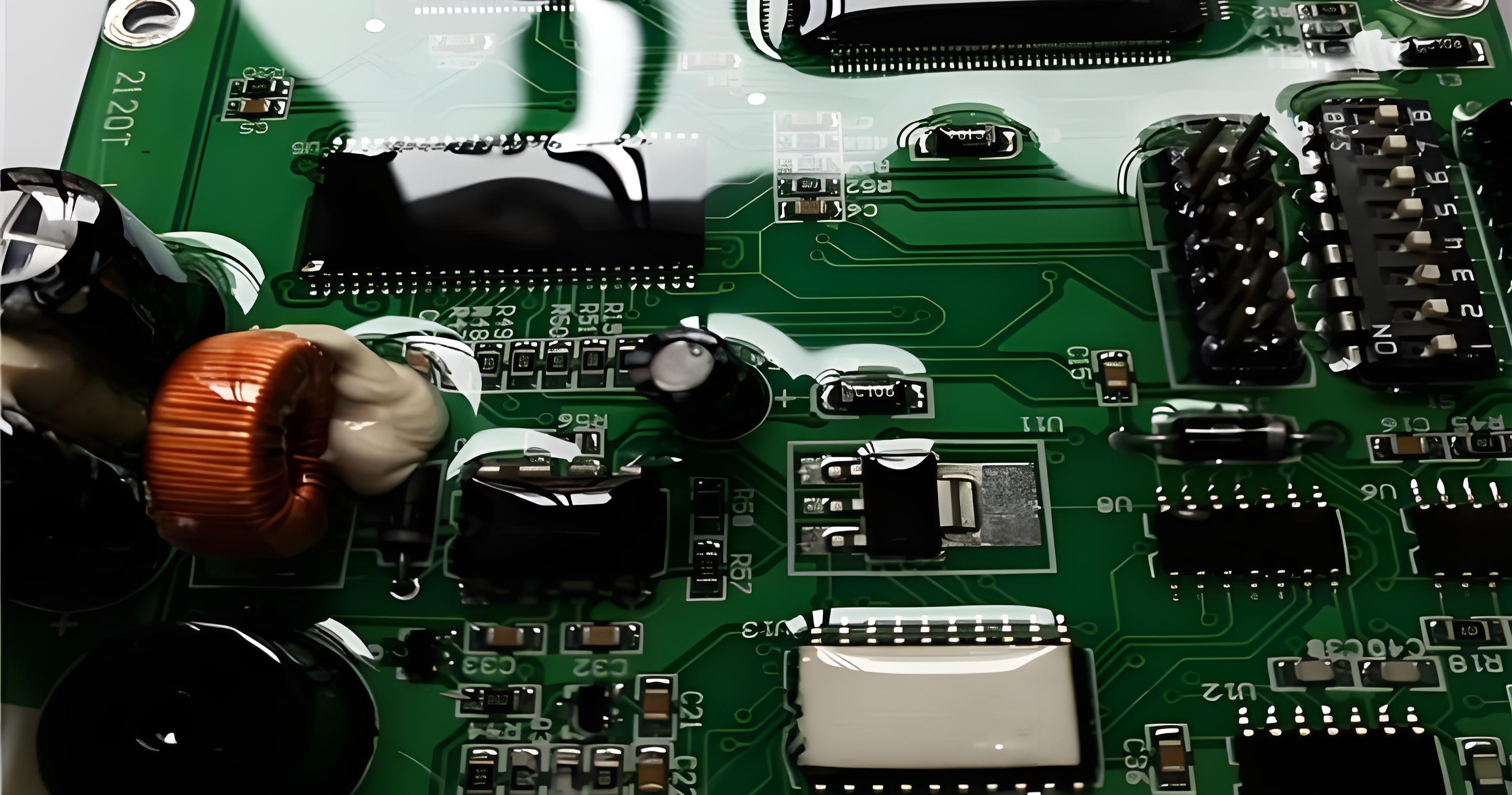
In summary, conformal coating is a crucial material for protecting circuit boards; it effectively enhances their reliability and durability, reduces the frequency of repairs, and thereby lowers costs.
Shanghai Hinnel specializes in the R&D and manufacturing of electronic adhesives, boasting comprehensive system certifications and ample production capacity. With several years of industry experience, it has an accomplished R&D team and a robust testing management system, continuously striving to innovate and optimize product technologies. Hinnel offers flexible product selection and customized strategies for PCB adhesives, providing more options for circuit protection, extended service life, efficient production, and innovative design.
Note: Images are sourced from the internet; please contact us for removal if there is any infringement.
>Recommended Reading

From automotive to industrial manufacturing, how do you choose the right adhesive for sensors?
Shanghai Hinnel
Nov 05,2026
How to choose potting compound for photovoltaic inverters? From operating conditions to materials.
Shanghai Hinnel
Nov 03,2026
Shanghai Hinnel
Oct 27,2026
How can we assist you?
