
Unveiling Induction Cooker Bonding Technology: Which Electronic Adhesives Are Used?
As one of the key appliances in modern kitchens, the induction cooktop’s coil plate is a core component, and the adhesive technology used to bond it plays a critical role in determining the product’s performance and service life. So, what kind of adhesive is actually used for the induction cooktop coil plate?
Shanghai Hinnel
Nov 12,2024


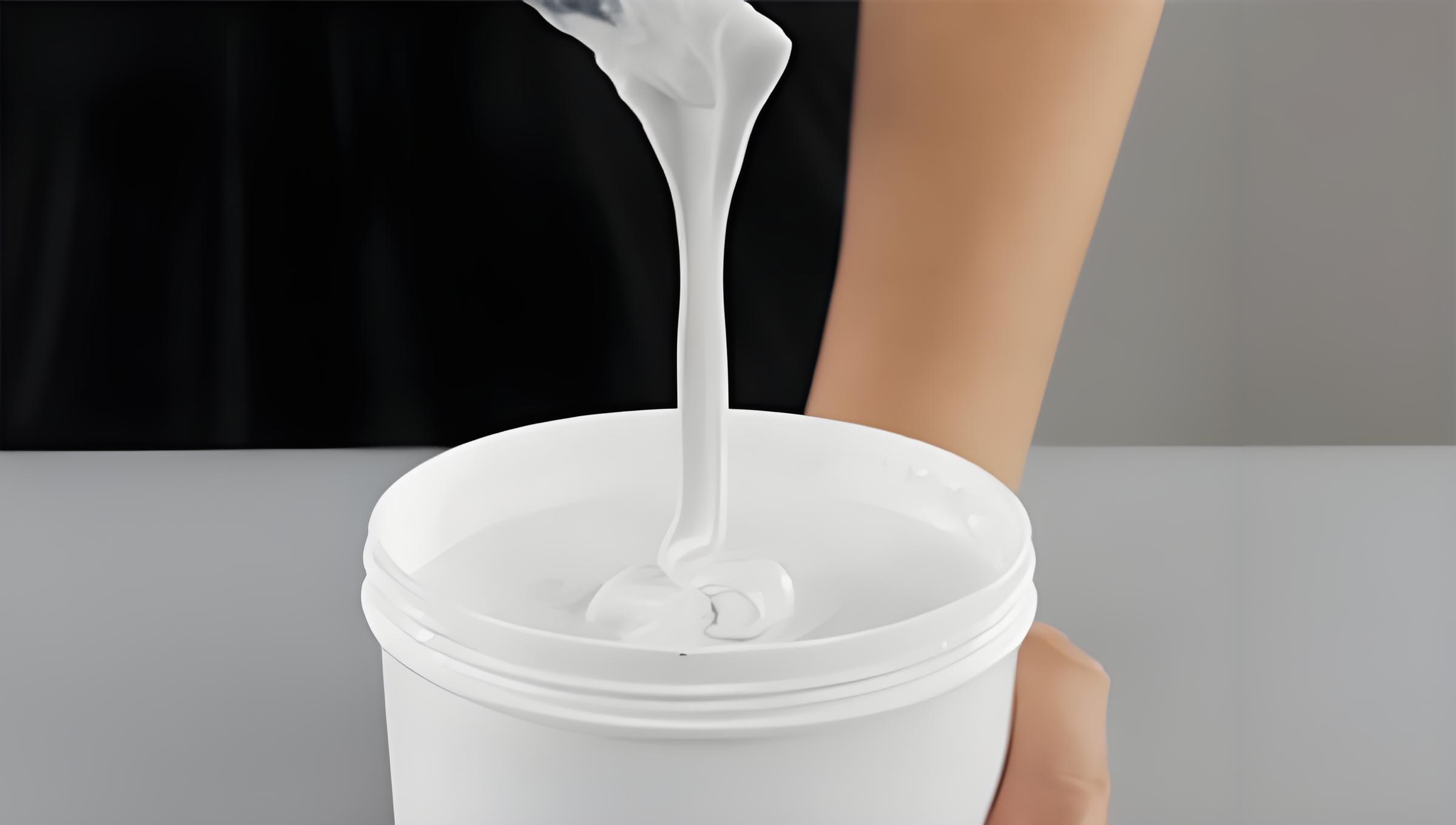
Induction cooker coil plates are typically bonded using high‑temperature‑resistant, highly insulating adhesives, such as epoxy resin. These adhesives offer excellent bonding strength and superior heat resistance, ensuring the stability and safety of the coil plate. Common types of thermistor adhesives include the following:
1. Epoxy adhesive: Epoxy adhesive is a commonly used conductive adhesive that offers advantages such as high-temperature resistance and excellent insulation, effectively protecting thermistors.
2. Silicone rubber: Silicone rubber is also a commonly used conductive adhesive, offering excellent flexibility and high-temperature resistance, and it is resistant to aging.
3. Polyurethane Adhesive: Polyurethane adhesive is a tough, high-temperature‑resistant conductive adhesive that exhibits excellent heat resistance and aging resistance.
Frame bonding
The edge‑to‑frame bonding of induction cookers is critical for ensuring the appliance’s safety, its resistance to water and moisture, and its aesthetic appeal. The adhesive sealant exhibits high bond strength and outstanding thermal stability, chemical resistance, and aging resistance, securely fastening the frame to prevent loosening during operation and effectively withstanding oil, water, and high temperatures encountered in everyday use, thereby guaranteeing reliable adhesion and superior safety performance.
Electromagnetic coil fixation
The electromagnetic coil is one of the core components of an induction cooker, performing critical functions such as transmitting electrical energy and generating a magnetic field. During the manufacturing process, silicone adhesive is typically used to secure and bond the coil’s conductive wires to the coil’s winding, ensuring tight contact between the wires and the windings. This not only enhances the coil’s conductivity and stability but also improves its heat dissipation, effectively reducing the heat generated during operation and thereby extending the service life of the induction cooker.
Heat dissipation
Induction cookers generate substantial heat during operation; inadequate heat dissipation can compromise their performance and shorten their service life. During manufacturing, thermally conductive silicone grease is evenly applied between the cooker’s heating element and the heat sink, effectively filling any gaps to ensure efficient thermal transfer. In addition to its excellent thermal conductivity, this material offers superior electrical insulation, along with resistance to high and low temperatures, water, and environmental aging. When used to secure heat sinks, radiators, and other cooling components in induction cookers, it increases the heat‑dissipating surface area and enhances cooling efficiency.
Circuit board protection
The induction cooker’s mainboard is continuously exposed to environments with heavy cooking fumes, high humidity, and elevated temperatures, making its electronic components highly susceptible to damage. Therefore, the circuit board must be coated with conformal coating to provide protection.
In summary, the adhesive used for induction cooktop panels must possess properties such as high-temperature resistance and corrosion resistance to ensure safe operation and long-lasting durability.
Note: Some content is sourced from the internet; please contact us for removal if there are any copyright infringements.
>Recommended Reading

From automotive to industrial manufacturing, how do you choose the right adhesive for sensors?
Shanghai Hinnel
Nov 05,2026
How to choose potting compound for photovoltaic inverters? From operating conditions to materials.
Shanghai Hinnel
Nov 03,2026
Shanghai Hinnel
Oct 27,2026
How can we assist you?
