
Photovoltaic Modules: Which Is More Suitable—Silicone Gel or Organic Silicon?
The silicone gel used in photovoltaic panels is primarily made from organosilicon materials, and its main functions are to seal and secure the panel’s components. Which is more suitable for potting photovoltaic modules—silicone gel or organosilicon encapsulant? Shanghai Hinnel New Materials Technology Co., Ltd. provides an overview.
Shanghai Hinnel
Dec 03,2024


The silicone used in photovoltaic panels is primarily made from organosilicon materials, and its main functions are to seal and secure the panel’s components.
I. Properties of Silicone Gel
Silicone gel is an inorganic material primarily composed of silicates, exhibiting excellent electrical insulation, thermal stability, chemical resistance, and biocompatibility. It finds extensive applications across numerous fields, particularly in electronics, pharmaceuticals, and construction materials. With its outstanding stability and reliability, silicone gel is widely used in a variety of high-performance products and devices.
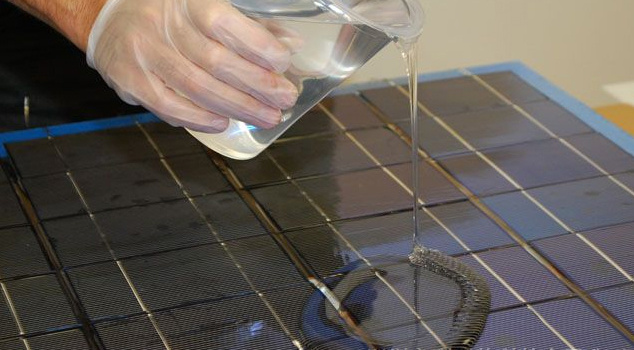
II. Properties of Organosilicon Compounds
Silicone, on the other hand, is an organic compound whose molecular structure contains silicon. It differs significantly from silicone gel in both chemical structure and properties. Silicone materials typically exhibit excellent electrical insulation, thermal stability, weather resistance, and aging resistance, while also offering superior processability, enabling the production of products in a wide range of shapes and sizes. Silicones are extensively used in aerospace, automotive, construction, electronics, and everyday consumer goods, among other fields.
Silicone plays a crucial role in the photovoltaic industry. In photovoltaic modules, factors such as mechanical vibration, temperature fluctuations, and variations in light intensity can all affect the electrical efficiency of the solar cells. Consequently, during module manufacturing, it is essential to use high‑quality, stable silicone to ensure the long‑term reliability and performance of photovoltaic modules.
In addition, the application of silicone has spurred the rapid development of photovoltaic modules. Thanks to its excellent performance and stability, an increasing number of PV module manufacturers are now turning to silicone to enhance product quality and service life, thereby bolstering their market competitiveness.
In general, the silicone used in photovoltaic panels is made from organosilicon materials and is primarily employed to seal and secure the panel’s components. At the same time, silicone also finds extensive applications in other fields.
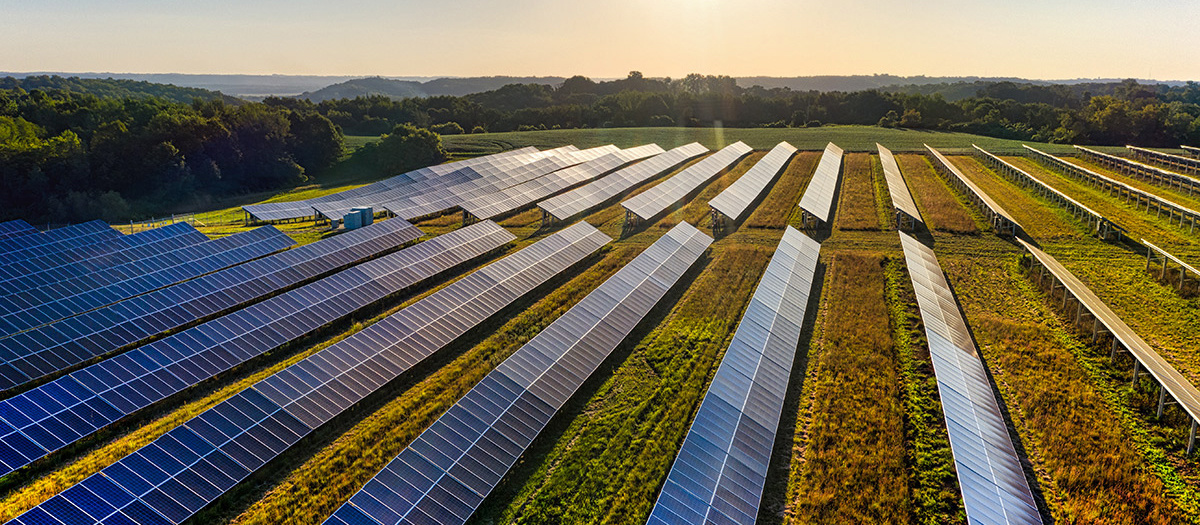
Shanghai Hinnel has been specializing in electronic adhesives for many years, offering a wealth of adhesive solutions tailored to various industries and capable of swiftly meeting adhesive application needs. For example, Hinnel… HN5271 and HN5272J Silicone gel is a high‑thermal‑conductivity silicone product specifically designed for photovoltaic panels. It not only exhibits excellent thermal stability and superior electrical insulation but also maintains outstanding heat‑dissipation performance under high‑power operating conditions.
Note: Some images in this article are sourced from the internet; any infringement will be promptly removed.
>Recommended Reading

From automotive to industrial manufacturing, how do you choose the right adhesive for sensors?
Shanghai Hinnel
Nov 05,2026
How to choose potting compound for photovoltaic inverters? From operating conditions to materials.
Shanghai Hinnel
Nov 03,2026
Shanghai Hinnel
Oct 27,2026
How can we assist you?
